1. Home
  2. Audio / Video
  3. Legacy Archives

Sony Bringing Movies to PS3 This Summer

Add as a preferred source on Google

Sony Computer Entertainment president Kazuo Hirai, speaking at a press event at Sony headquarters in Tokyo, has said the company plans to launch a movie download service for its PlayStation 3 video game console. The service will launch in the United States this summer, to be followed by launched in Europe and Japan at a later date. Hirai revealed no specific information about the service, save to note that additional details will be available next month.

A PS3-based movie download service has been the subject of speculation since even before Sony launched the PS3 console over a year and a half ago. It seems a natural fit: Sony is, after all, also one of the major film studios, and controls a good deal of video content. Through Sony BMG, a download service ought to be able to offer music videos from Sony BMG artists, at the very least. Launching a movie download service will also enable the PlayStation 3 to compete more effectively against Microsoft’s well-established Xbox Live service, which offers movies, television shows, and other video content (some of it in high definition) for download.

Recommended Videos

Sony also announced “Life with PlayStation,” a new service that will initially launch with news and weather information but is slated to be expanded to include a number of additional data sources, including photos and movies. The interface is a globe of the Earth with weather systems and major cities marked; users can browse stories (they open in a browser window) and locations while the system plays music from a user’s media library.

The announcements came as part of a press event where Sony CEO Howard Stringer updated its corporate plan through the fiscal year 2010 (PDF), promising to return the Sony brand to luxury status and bring profitability back to its video game and TV businesses. STringer promised more Internet integration with its electronics products—including (this should sound familiar) a movie download service for Internet-connective Bravia televisions, due to launch in the autumn in the United States with the Sony-produced Will Smith feature Hancock, before the film is available on DVD. Having lost share in key markets to the likes of Apple and Nintendo, Sony says it plans to invest $16.7 billion over the next three years on future technology and product development.

Geoff Duncan
Former Contributor
Geoff Duncan writes, programs, edits, plays music, and delights in making software misbehave. He's probably the only member…
I desperately want a new classic Walkman, but Sony probably can’t give me one
Tech minimalism is begging for a new Walkman. Though rebuilding it may be close to impossible
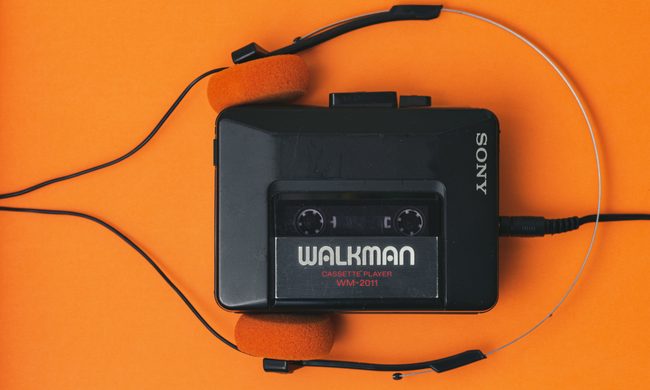
Sony Walkman WM2011

Every few months, another piece of tech that seems obsolete crawls out of a drawer and becomes cool again. The age of minimalism has revived the popularity of iPods among younger buyers. Dumbphones have become an escape hatch from endless notifications. Similarly, digital cameras are dangling from bags again. Physical media keeps attracting people who want something they can actually hold instead of another frustrating subscription.

All of this makes it the perfect time for Sony to bring back the classic Walkman, which was a phenomenon during the 80s and 90s. I would love one. Give me a compact cassette player, physical buttons, and wired headphones. Keep the apps, notifications, and algorithms that shape your taste of music. No more AI assistants or personalzied feeds, just you and your Walkman. There is only one problem though. Recreating the Walkman that people love and remember, would be far harder than putting an old design back into production.

Read more
Proton reveals how smart TVs track you and the escape situation is pretty grim 
Modern smart TVs fingerprint your screen content at the chipset level.
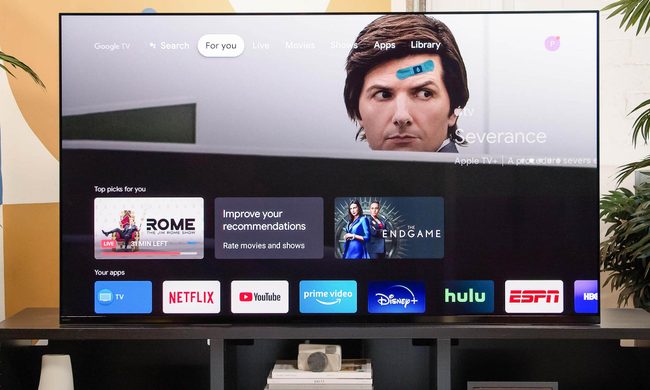
Google TV applications on the Sony A95K TV.

Your smart TV may know far more about your viewing habits than you realize, even if you rarely use its smart features. In a new privacy explainer, Proton warns that many modern TVs quietly collect data about everything displayed on the screen and share it with manufacturers, advertisers, and analytics companies.

The worrying part is that escaping this tracking is becoming increasingly difficult because many privacy controls are buried deep in settings or enabled by default. Proton argues that buying a smart TV today often means accepting a level of surveillance that most people never knowingly signed up for.

Read more
LG is cracking down on smart TV apps that quietly turn your TV into a secret proxy
LG OLED Settings

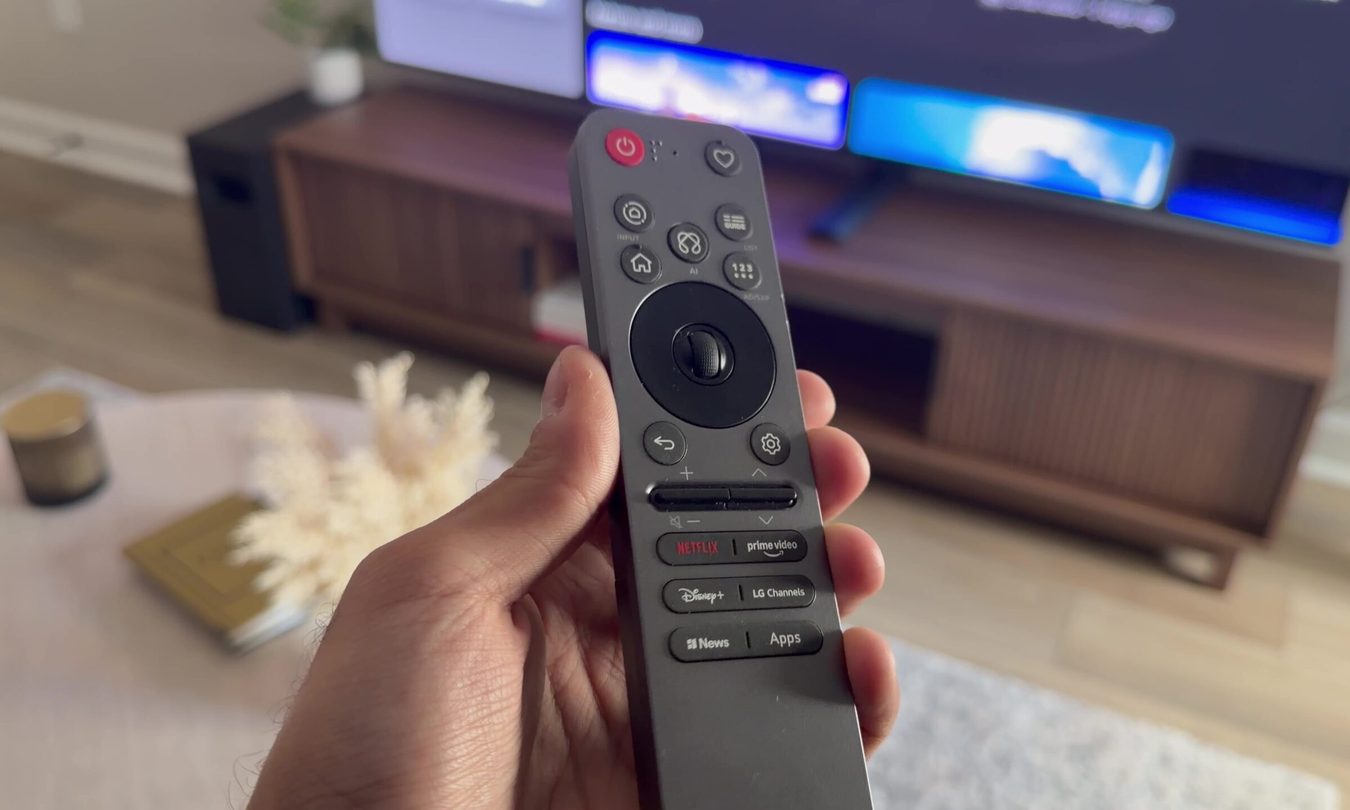
If you own an LG smart TV, there's a chance one of your harmless-looking apps has been moonlighting as an internet relay for someone else's traffic. According to a report from KrebsOnSecurity, LG says it's finally stepping in to stop this menace. This week, the company confirmed it plans to suspend any webOS app that turns a TV into what's called a residential proxy node.

The move follows a report from security firm Spur, which found that more than 42 percent of apps on LG's webOS store include SDKs that quietly reroute internet traffic through your TV, indefinitely. Samsung isn't spared either, with over a quarter of Tizen apps carrying similar code.

Read more