1. Home
  2. Computing
  3. Legacy Archives

New hacking challenge shows Heartbleed is as bad as we thought

Add as a preferred source on Google

You’ll have been hearing a lot about the Heartbleed bug this week, and it’s now been confirmed that the vulnerability can be used to nab private security keys from a server. That means a rogue site could pose as a genuine one, and neither you nor your browser would be any the wiser.

A quick recap: Heartbleed allows hackers to ping vulnerable servers for all kinds of sensitive information, including email addresses, passwords and credit card numbers. At first, there was some debate about whether this information could include private SSL keys, in many ways the most valuable data for a hacker; now we have confirmation that it can.

Recommended Videos

White-hat hackers Fedor Indutny and Ilkka Mattila successfully took on the Heartbleed hacking challenge laid down by Web performance and security company CloudFlare. “We confirmed that both of these individuals have the private key and that it was obtained through Heartbleed exploits,” said CloudFlare.

Having access to these private keys means hackers can return even after the Heartbleed exploit has been closed to steal more information — it’s akin to having the keys to a car rather than having to smash through the window. Only when server security certificates are updated (i.e. the locks are changed) will the bad guys be foiled, and that’s going to take some time.

Big-name companies including Google, Yahoo and Dropbox are scrambling to update their systems to close the Heartbleed loophole, but the danger is far from over. Stay tuned to our lists of apps and websites that are affected for details of how to protect yourself, and follow any prompts you receive to reset your passwords from the online services you use.

[Image courtesy of Heartbleed.com / Karen Blaha]

David Nield
Former Contributor
Dave is a freelance journalist from Manchester in the north-west of England. He's been writing about technology since the…
Valve just gave away the blueprint for its coolest Steam Machine mod
Valve giving away the recipe instead of the dish, and honestly, we're okay with it.
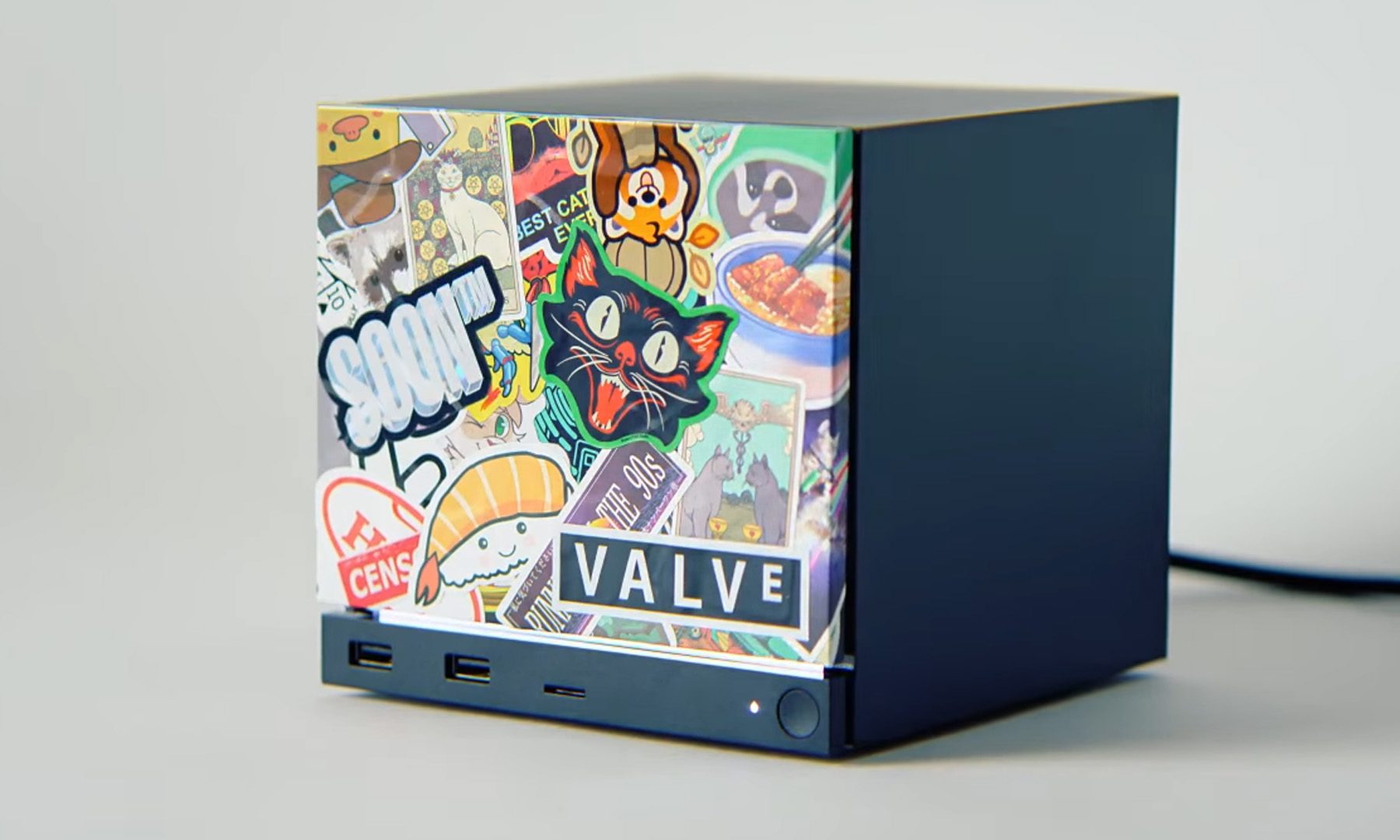
Valve Steam Machine Featured Design Coverplate

While Valve’s Steam Machine launched at a higher-than-expected price due to the AI-driven chip shortage, it seems that the company is not sitting on its haunches and is still working hard to make the product more enticing to users. 

One of the coolest features of the Steam Machine is the user-customizable front faceplate, and Valve has just made it better. The company open-sourced its "Inkterface" project, which allows users to build their own e-ink faceplate for the Steam Machine.

Read more
Brave’s new Container feature is a lifesaver for anyone juggling multiple accounts
With this feature, you won't need to open three different browsers
Brave browser 3D logo

Brave has added Containers to its desktop browser, giving users a built-in way to keep different accounts, sessions, and browsing activity separate. The feature is available in Brave 1.92 for Windows, macOS, and Linux, and is rolling out in phases over the next few days.

Containers have been a highly requested feature, especially for users who regularly switch between work, personal, developer, or creator accounts. Once enabled, they let users open tabs in separate spaces where cookies and site storage are not shared outside that container.

Read more
Intel may bring back older desktop CPUs because DDR5 is getting too expensive
Older Intel Core CPUs from 10th to 14th Gen may get a second life
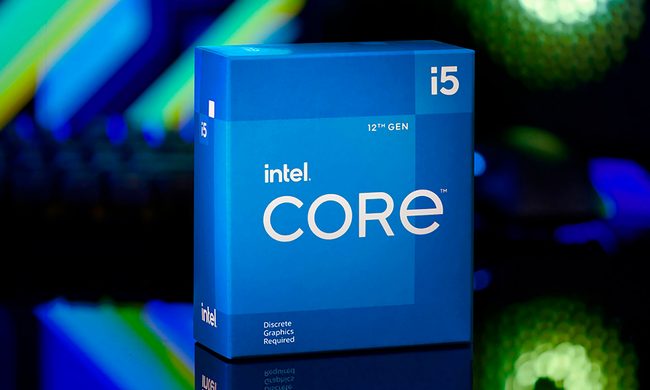
Intel Core i5-12400F box sitting in front of a gaming PC.

Intel may be preparing an unusual response to the ongoing memory crunch. According to Chinese outlet ITHome, citing ChannelGate, the company’s latest production plan includes restarting production of 13th-gen and 14th-gen Core processors.

The move is expected to increase supply across Intel’s 10th, 12th, 13th, and 14th Gen CPU families, especially in mainland China. For DIY PC builders, the timing is important. DDR5 memory prices have climbed sharply, making newer platforms harder to justify for anyone trying to build an affordable gaming PC.

Read more