What’s happened? According to a Weibo-based leaker, “Instant Digital,” Apple might be developing iPhone cases equipped with touch-sensitive surfaces that act as secondary input layers for future iPhones. The report suggests the cases may integrate capacitive or pressure sensors, and when attached to the device, the iPhone might reroute button behaviour to these input zones inside the case.
- Patent filings from Apple indicate previous exploration of case-based input surfaces that use connections such as NFC to link the case with the phone.
- The technology would allow actions like taps or slides on the case to trigger system functions such as volume, camera control, or shortcuts, without touching the screen.
- Details such as which iPhone models will support this tech, how the sensors will be powered, or how the case will remain affordable are unknown; it remains speculative at this stage.

Why this is important: If Apple really is developing touch-sensitive iPhone cases, it’s more than an accessory update. In fact, it ties directly into Apple’s long-rumored plans for a bezel-free, button-light iPhone. Apple has previously explored treating the case itself as an extension of the phone’s controls. These rumors arrive just as Apple is reportedly working on a 20th-anniversary iPhone redesign with a display that curves around all four edges. With almost no physical room left for traditional buttons, Apple may need alternative input methods, and a smart case becomes a natural companion.
This also aligns with reports suggesting Apple could shift to solid-state, capacitive layers for future iPhones. If so, an interactive case would help relocate volume, camera, and shortcut controls to places that are easier to reach and harder to trigger on an all-screen device accidentally. In other words, the case could provide the tactile feedback and functional “grip points” that would normally be lost on a bezel-free design. For Apple, this is a way to move toward cleaner, uninterrupted hardware. And for users, it could mean more ergonomic controls without relying on the screen.
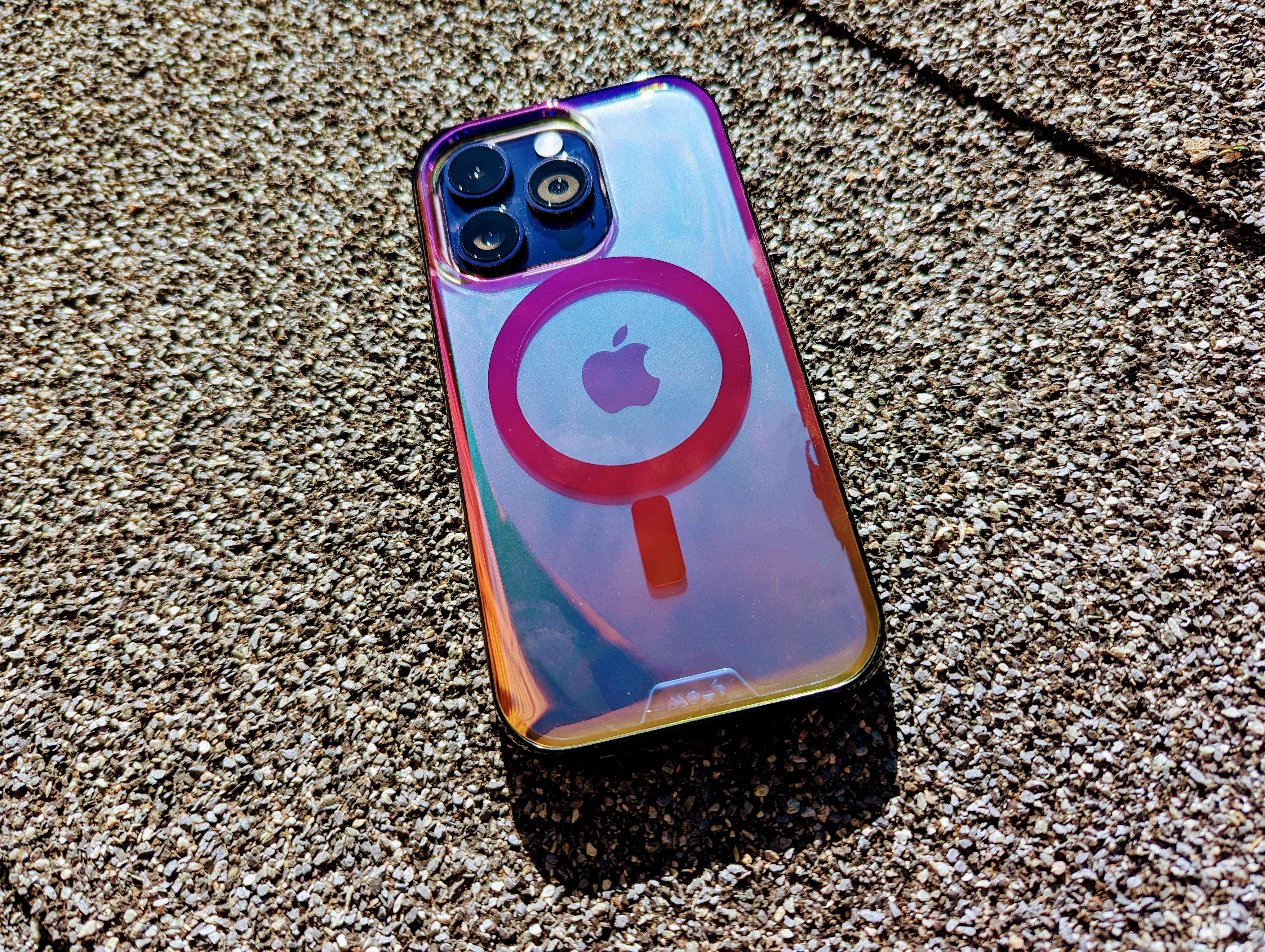
Why should I care? If you’re an iPhone user or are thinking of buying one, this potential feature means your next case might do more than cover scratches. Imagine pressing the case to activate the camera, or sliding your finger on the back to change songs, without touching on-screen controls.
- Faster, smoother control: If built well, case gestures could let you do common tasks without unlocking the phone or finding a hidden button.
- Accessory upgrade-wave: A new input method means accessory makers may jump in with smart cases designed specifically for gestures, shortcuts, and workflows.
- Future-proofing your kit: If this becomes a standard Apple feature, you might want to wait for a compatible case or make sure the model you buy supports the tech.
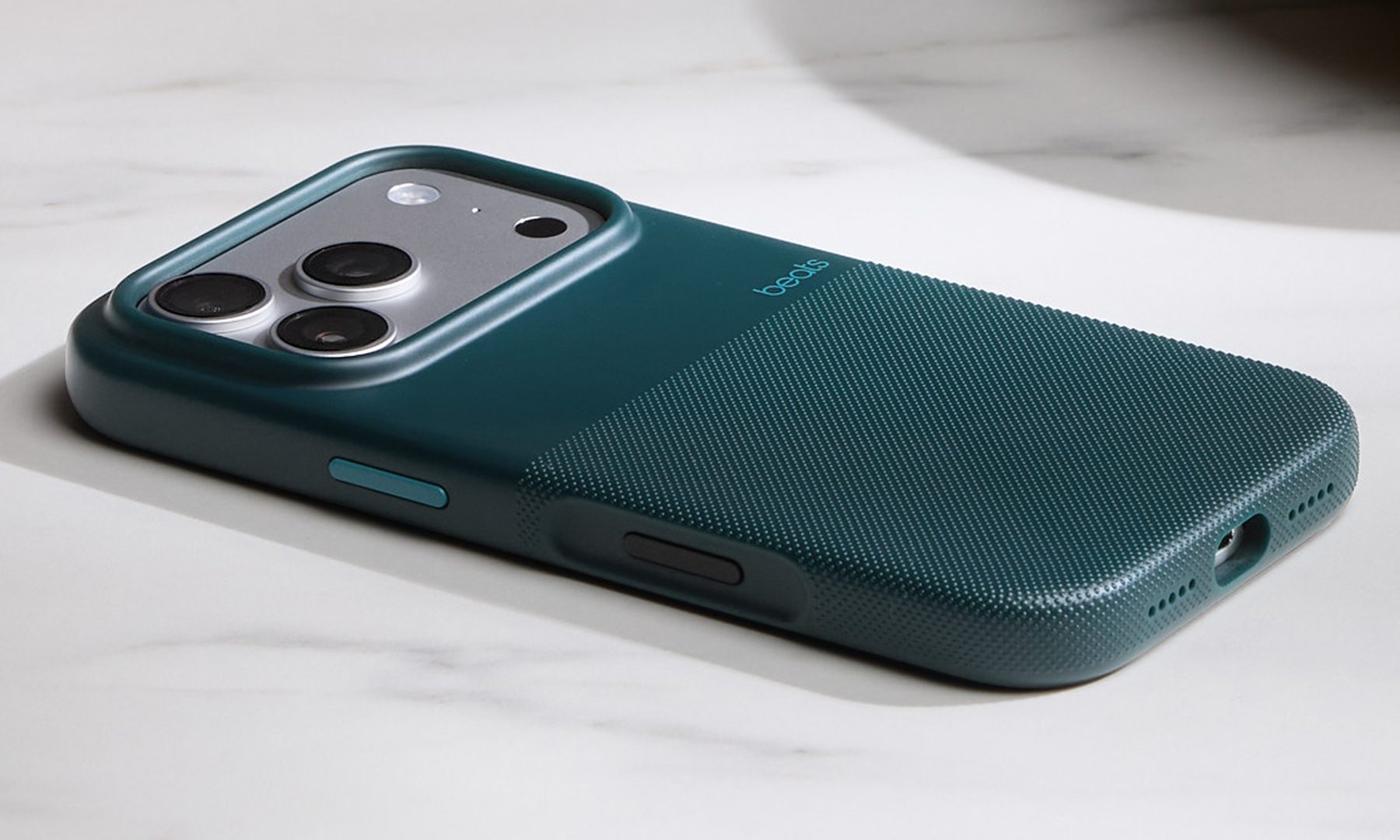
Okay, so what’s next? At this point, the idea remains a rumour. Of course, Apple has not confirmed these touch-sensitive case layers, so treat the information as early-stage. The next indicators will come from accessory listings, patent-filing updates, and leaks of cases showing sensor outlines or new connectors. If Apple moves ahead, the accessories aisle might change faster than your next phone purchase.