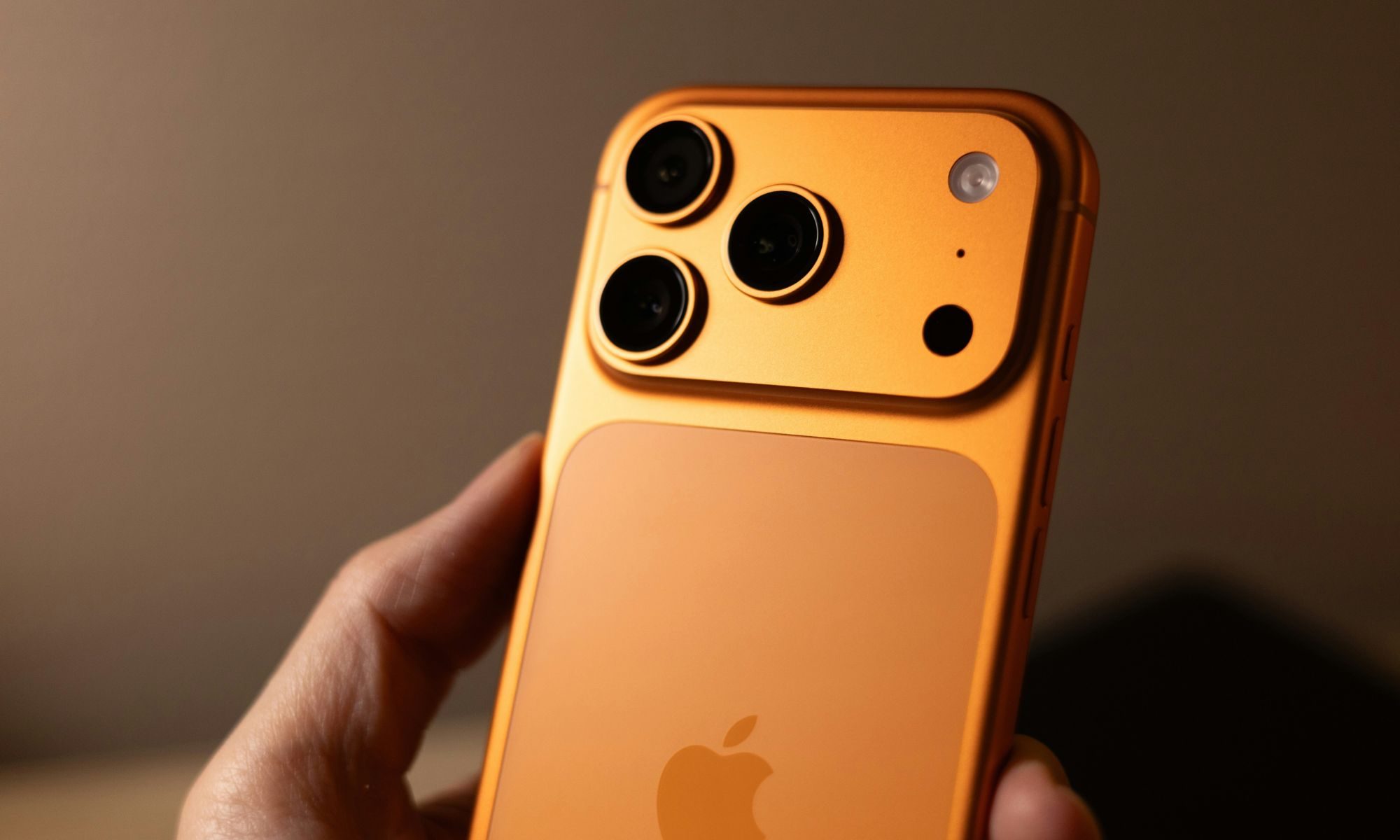
A new patent granted by the U.S. Patent and Trademark Office points to Apple taking a greener approach to powering its mobile devices. The patent, which is for an “integrated touch sensor and solar assembly,” shows solar panels integrated into a mobile device’s flexible display. The technique looks much like the solar touchscreens we saw at CES this year from SunPartner and 3M.
According to AppleInsider, the new configuration is a modified version of US Patent No. 8.730,179, which was filed in 2008. The previous version of the patent described integrating solar panels into touch-sensing components in a portable device. Since this was meant for the iPod, its applications in newer mobile devices is very limited.
The new patent describes a “solar cell stack-up configurations” that includes one or more touch sensor layers and one or more solar cell layers. The integration of touch sensors and the solar cells into a stack-up is meant to reduce the surface area of the device. According to the patent, this configuration may include light channels that allow light to enter the device and direct light to the solar panel.
 While the technology seems promising, you should hold on to your chargers for a while longer. If and when this technology appears on an Apple product, don’t expect to fully charge your phone by putting it under the sun. More likely, this would just add longevity to your battery life.
“Using solar cells on portable devices, particularly handheld portable devices with small form factors, however, poses certain technical and/or design problems. For example, the small size of the portable device means there is a small surface area which can be used for placing solar cells. This surface area is typically further reduced by other components that appear on the surfaces of the devices such as input devices and display devices. Since the maximum solar energy that can be produced from a solar panel is roughly proportional to the surface area of the solar cells, this reduces the amount of solar energy that may be gained from the solar panel,” the patent read.
There’s no word yet on whether solar panels are meant for the iPhone or the iPad, though we’ve heard that it could come to a future iPhone. When we get an answer, it would be after Apple performs a technological leap. Right now, the company is said to be struggling finding a suitable power cell for future iPhone models.