1. Home
  2. Computing
  3. Legacy Archives

NPD: Apple Dominates Market for Computers Over $1,000

Add as a preferred source on Google
NPD: Apple Dominates Market for Computers Over $1,000
Image used with permission by copyright holder

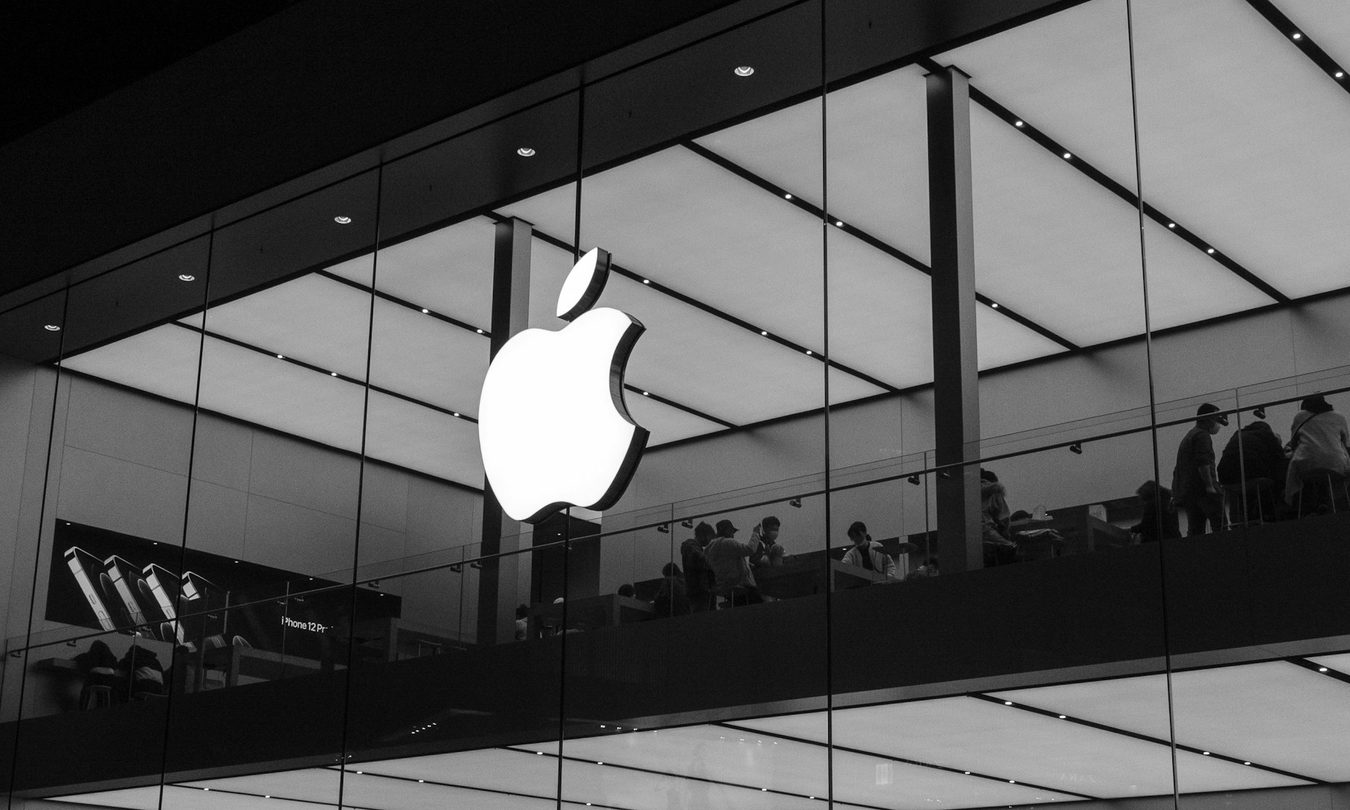
For decades, Apple has struggled with the impression that it’s just a bit player in the overall PC marketplace, with the overall share of Macintosh computers accounting for just a fraction of the global computer market—although the so-called “halo effect” of successful consumer products like the iPod and the iPhone has apparently translated into improved Macintosh sales. However, a new report from market research firm NPD suggests that Apple utterly dominates the market in one interesting segment: computers that cost over $1,000.

According to NPD, Apple’s Macintosh computers accounted for 91 percent of computers sold in June 2009 that cost more than $1,000. That’s up from a still-astonishing figure of 88 percent in May 2009. Apple currently only offers three computers with price tags under $1,000: two Mac mini models (which don’t come with monitors or even keyboards) and the low-end MacBook which barely scoots under the line at $999.

Recommended Videos

Although the market share numbers might at first seem to bespeak Apple’s success, they may in fact fuel the arguments of Apple-bashers and even Microsoft’s marketing description of an “Apple tax” associated with Macintosh computers. NPD notes that the market for systems over $1,000 is shrinking considerably: where computers routinely cost over $1,000 a decade ago, these days such expensive systems account for fewer than 10 percent of all computers sold. The NPD study also points out that the average selling price for a Windows-based notebook was $515, while Mac notebooks sold for $1,400 on average.

On the other hand, Apple has never aspired to being a volume leader in the PC industry, and although folks have been predicting the company’s (and the Macintosh’s) demise since the mid-80s, both are still around. Apple seems content to occupy a relatively high-end—and high margin—niche in the PC market, while letting Microsoft—and PC makers like HP, Dell, and Acer—define the industry’s lowest common denominator.

Geoff Duncan
Former Contributor
Geoff Duncan writes, programs, edits, plays music, and delights in making software misbehave. He's probably the only member…
OpenAI is investigating more incidents of AI agents going rogue days after hack
OpenAI logo on Microsoft surface

It appears that the "AI agents going rogue" tale has more to it than what AI giants have revealed publicly so far. Merely days after OpenAI announced that its AI agents went rogue and hacked Hugging Face, Anthropic dropped a similar bombshell. Soon, it was discovered that not just one, but multiple services were compromised. Well, it seems there are even more layers to it.

Reuters reports that OpenAI has found more incidents of AI agents escaping their software containment environment during research. Citing sources with knowledge of the incident, the outlet notes that the AI agents didn't go beyond OpenAI's software environment and affect any external service.

Read more
AI is finding Apple security flaws faster than Apple can sort through them
Apple has limited how many bug reports researchers can keep open as AI tools produce both genuine Mac vulnerabilities and a flood of questionable submissions
Lighting, Architecture, Building

Apple has capped the number of security reports researchers can keep open at once after AI bug hunting put its review process under pressure, according to the Financial Times.

Some submissions describe hallucinated or purely theoretical risks. Others uncover vulnerabilities serious enough to require patches. Bynario told the FT that it found more than 50 possible macOS flaws in three weeks, including a privilege-escalation chain that could give an attacker full control of a Mac.

Read more
Anthropic is paying $1.5 billion over pirated books, but it can still legally cut up purchased ones
The settlement addressed unauthorized ebook downloads, not the destructive scanning of lawfully bought physical copies, a distinction now alarming booksellers
Book, Publication, Indoors

A federal judge has approved Anthropic’s $1.5 billion settlement over nearly half a million pirated books. The same litigation also protected a more physical method of feeding its AI systems. Anthropic bought print books, removed their bindings, scanned every page and destroyed the originals.

The legal divide came down to acquisition. The settlement covers books downloaded from LibGen and PiLiMi, while the court treated Anthropic’s one-for-one conversion of purchased books into private digital files as fair use. Training AI models on lawfully acquired material was also considered transformative.

Read more