At any given moment there are approximately a zillion different crowdfunding campaigns happening on the Web. Take a stroll through Kickstarter or IndieGoGo and you’ll find there’s no shortage of weird, ambitious, and downright stupid projects out there — far too many for any reasonable person to keep up with. But here at DT we are not reasonable people. We spend an inordinate amount of time poring through crowdfunding sites and product blogs in search of the next Oculus Rift or Pebble Watch, so we’re here to bring you a quick roundup of the best projects that are currently up and running.
Strooder — 3D printing filament maker
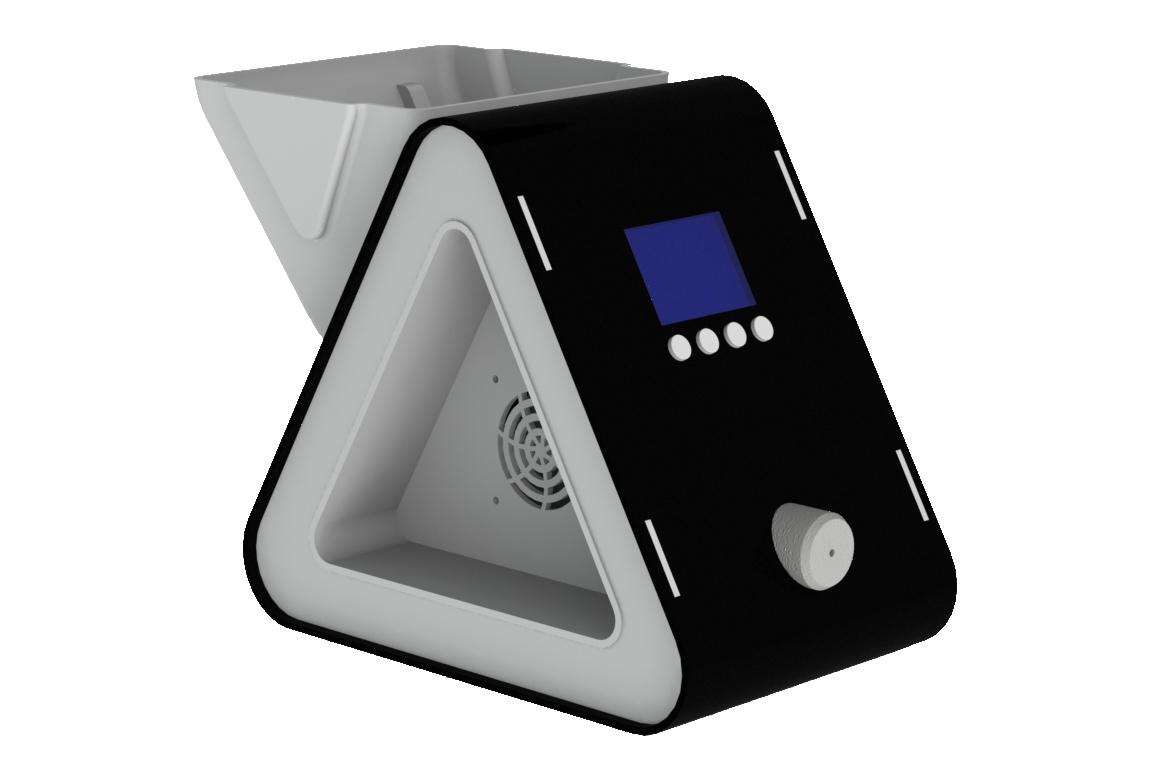 Once you’ve forked over the cash to cover the initial cost of a 3D printer (which can be rather spendy) the only thing keeping you from printing your own mansion is the cost of 3D-printing filament. Filament is to 3D printers as ink is to regular printers, and unfortunately, it’s similarly expensive. You can burn through $100 worth of filament without breaking a sweat — especially if you’re printing something particularly large or dense. Strooder offers an alternative: Instead of buying spools of filament, you buy plastic pellets at a fraction of cost, pop them into Strooder, press a button, and slowly spin out filament on your own. Depending on the pellets you buy, it can spit out either ABS or PLA filament in a variety of different colors, and the extruder’s diameter can even be adjusted if you need different sizes.
Barobot — Open-source robotic bartender
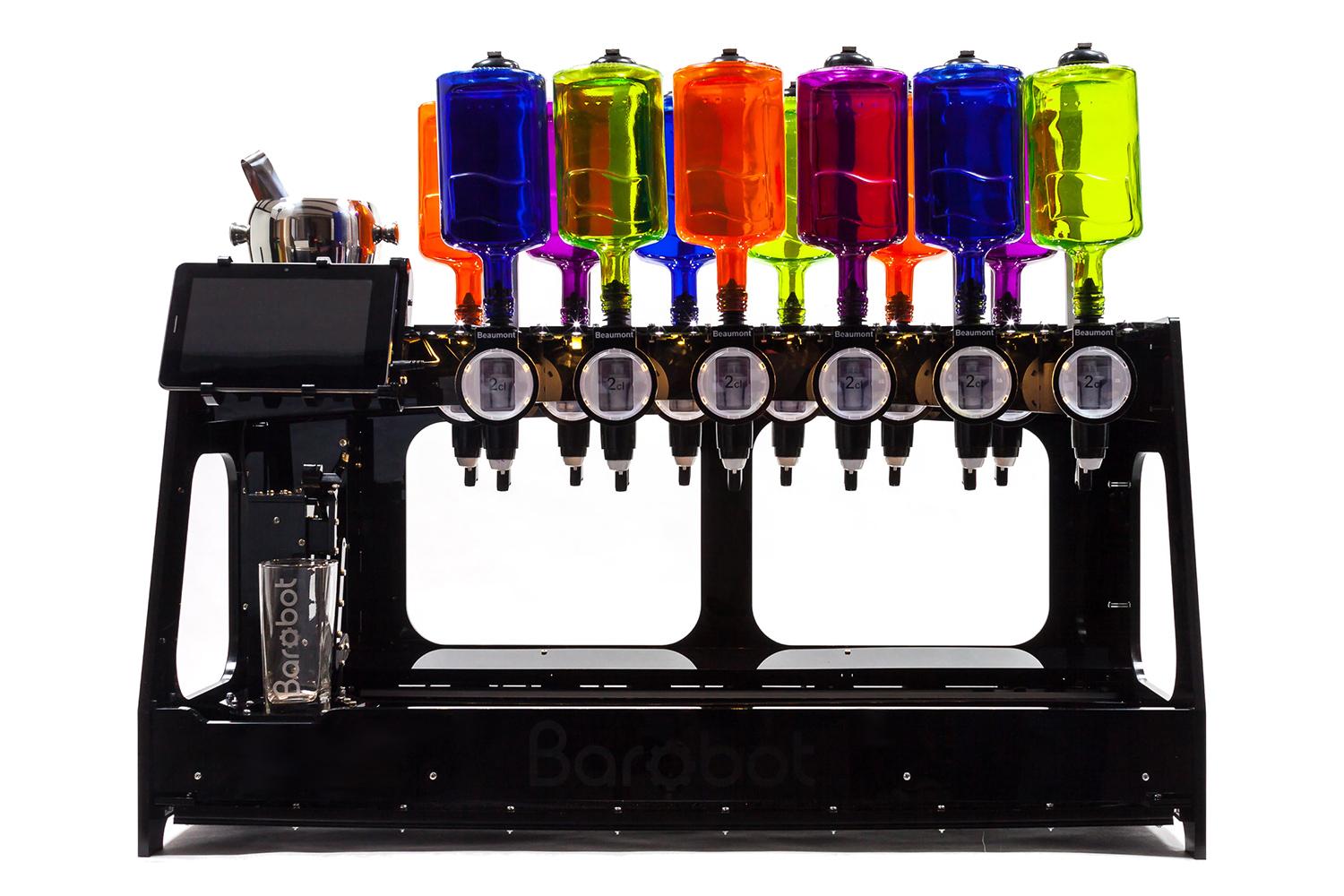 Pretty much ever since DIY robotics became a mainstream thing, nerdy booze enthusiasts have been building robotic bartenders to help them mix perfect cocktails. We’ve seen dozens of examples in the past, ranging from wildly elaborate bots that fill an entire room, to compact ones that fit nicely on your countertop — and more seem to pop up with each passing month. The latest addition to the booze-bot family is a Barobot, the first bartending robot built entirely on open-source hardware and software. You’ll have to shell out a bit over $1,000 to get yourself a kit, but if you’d rather do it yourself, the building instructions and software code are all available for free online. The fact that it’s open source also means that it can easily be hacked, so if you don’t like one of the drinks it makes you, or you want it to move a little bit faster, you can easily make performance tweaks. Check out our full article to find out more.
Fuffr — Display-extending smartphone case
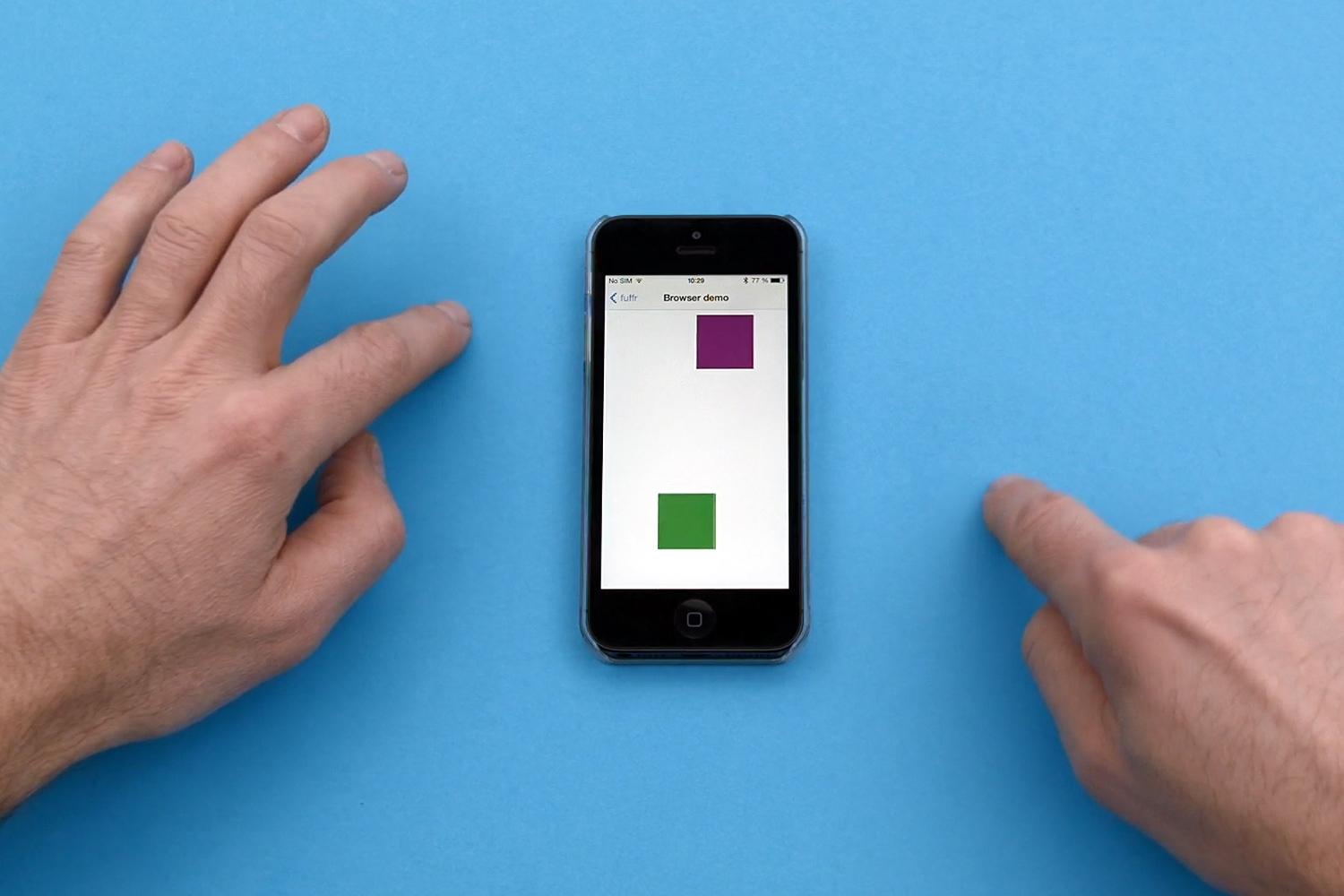 In case you haven’t noticed, smartphone screens keep getting bigger and bigger with each passing week. Hell, we even had to create the word “phablet” because so many of them are now so large that we’re not entirely sure if we should call them phones or tablets. Most of us like the idea of having a lot of screen real estate to work with, but hate the idea of lugging around a phone that’s too massive to fit inside a pocket or hold comfortably in our hands. Fuffr offers a solution to this problem. Instead of extending your screen physically, this clever little case uses embedded sensors to extend the bounds of your screen virtually. With this thing clipped onto your phone, you set it on top of any flat surface and manipulate the screen by touching the area around it. We’re not entirely sure what something like this could be used for, but it’s definitely pretty cool, and we’d love to see what kinds of crazy applications people think up for it in the future.
Tinitell — Wearable mobile phone for kids
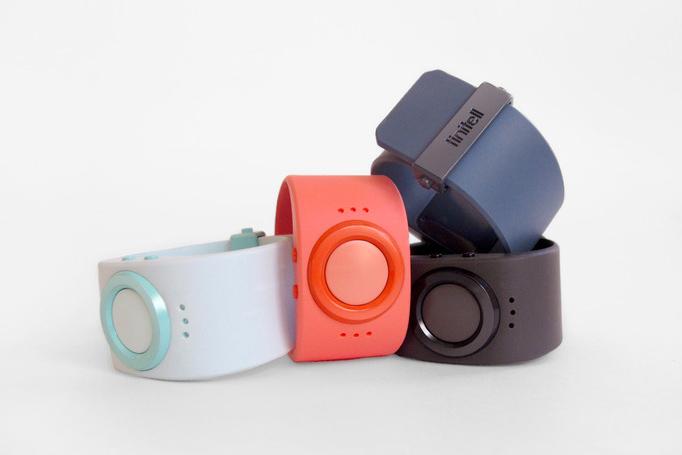 Now before you lose your mind and go into an impassioned rant about how young kids shouldn’t have cellphones, take a deep breath, rub your earlobes, and hear me out. This is actually a pretty brilliant idea. I, too, agree that young children shouldn’t have cellphones — especially those of the “smart” variety. Spending so much time staring wide-eyed at an LED screen, texting and playing games all day removes kids from the real world, robs them of meaningful social interaction with other people, and screws them up developmentally. That being said, having a way to communicate with your kids no matter where they are is a huge plus, and can help keep them safe. Tinitell is a brilliant little wearable device that aims to reconcile these problems, but also keep your kids safer. It’s essentially an ultraminimalist cellphone designed to be worn on a child’s wrist, giving you peace of mind, and keeping screens out of the equation so your kids can focus on being kids.
Mod-t — Affordable desktop 3D printer
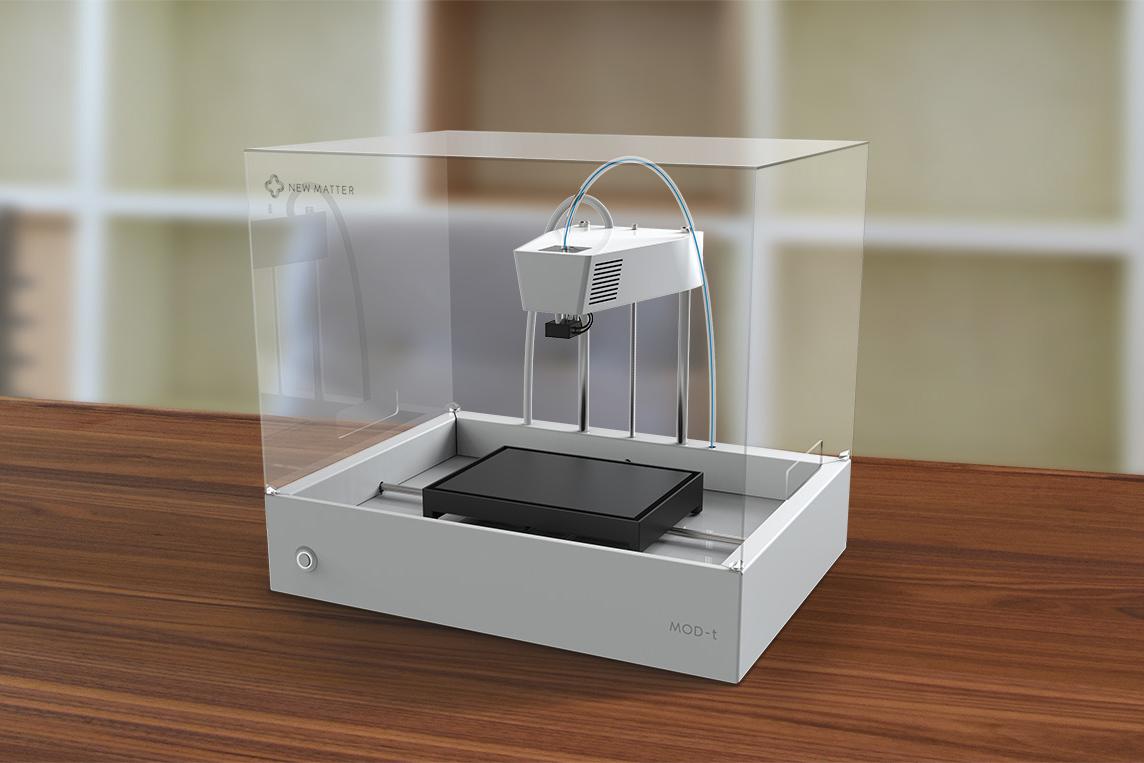 Slowly but surely, 3D printers are becoming cheaper. In the early days, even the most basic printers carried pricetags that were upwards of $3,000, and many of them still cost you an arm and a leg (but hey, you can print your own limbs once you have one, right?). But that’s starting to change. In the past year, a few machines have surfaced that are well under $300 — finally within reach for average consumers. Mod-t is the latest addition to this growing category, and not not only does it only cost just 250 bucks, but it’s also one of the best-looking printers we’ve ever laid eyes on. This thing wouldn’t look out of place on your kitchen countertop — let alone on your workbench. It’s also designed to be ridiculously simple to use. Mod-t features one-touch operation and an ultra-intuitive building platform, so you don’t have to be well-versed in 3D modeling software and digital design in order to start using it.