1. Home
  2. Computing
  3. News

ASUS jumps into the price-hike club with its PC products

Price hikes hit PCs, laptops, and more starting Jan. 5 as memory costs surge industry-wide

Add as a preferred source on Google
ASUS ROG Zephyrus Logo
ę˜Šē‡ƒ ęØ / Unsplash
CES 2026
Read and watch our complete CES coverage here

ASUS is preparing to raise prices on select PC products beginning January 5, 2026, just days before CES 2026 kicks off in Las Vegas. In a private notice circulated to partners, the Taiwanese tech giant cited rising costs of DRAM, NAND flash, and other key components as the primary reason behind the move. This makes ASUS one of the first major PC manufacturers to publicly confirm price adjustments tied to the ongoing global memory shortage, a trend that has steadily pushed component costs higher throughout 2025.

【ASUS 2026 Product Pricing Adjustment Notice】

2026 Product Price Adjustment Announcement

Dear ASUS Partners and Customers,

Thank you for your long-term trust and support. As we enter a new era of AI-driven computing, enterprises are expanding rapidly while facing structural… pic.twitter.com/SFpNwbYRfa

— Jukan (@jukan05) December 31, 2025

Interestingly, ASUS hasn’t mentioned the exact models affected. However, it’s safe to assume that the price hike will affect all products with memory and storage involved, including laptops, PCs, the ROG Ally handheld, and even GPUs. On one hand, while ASUS committed to building its own RAM to appeal to the market demand and possibly offer cheaper options, especially since Micron shut the Crucial business, this news comes as a massive bummer to the PC audience.

Why this price hike matters

At its core, ASUS’s pricing shift reflects a broader supply-chain squeeze in the semiconductor memory market. After a multi-year stretch of relative stability, DRAM and NAND flash prices have climbed sharply, in part because memory capacity is increasingly being diverted toward high-bandwidth AI systems and data centers. That leaves traditional PC products competing for a more limited pool of supply.

Internally, ASUS describes the increases as a “strategic adjustment” aimed at maintaining product quality and supply stability after absorbing elevated component costs for an extended period. While the company hasn’t shared exact numbers, industry watchers expect the hikes to mirror recent trends elsewhere, ranging from modest bumps to more noticeable jumps depending on the product and its memory configuration.

For consumers, the timing couldn’t be more awkward. With CES 2026 just days away, this announcement adds another layer of uncertainty for buyers already grappling with rising hardware prices. If ASUS products already felt expensive, it may be time to recalibrate expectations. For anyone planning a PC build or upgrade in 2026, keeping a close eye on post-CES pricing, considering refurbished options, or waiting for mid-year component stabilization could be the smarter move. Whether you’re chasing AI features or not, the market is clearly tilting in that direction, and once again, the end consumer is left to absorb the cost.


Varun Mirchandani
Varun is an experienced technology journalist and editor with over eight years in consumer tech media. His work spans…
Windows 11 is getting a new Screen Tint mode, and your eyes might thank Microsoft
Users can apply custom color overlays to reduce screen intensity and visual fatigue.
Windows 11 on a laptop

Microsoft is testing a new accessibility feature for Windows 11 called Screen Tint, and it could be one of those small additions that make a surprisingly big difference. Instead of changing your display's color temperature like Night Light, Screen Tint applies a customizable color overlay across the entire screen, making bright displays easier on the eyes during long work or gaming sessions.

A softer screen for tired eyes

Read more
Apple’s looking at a politically radioactive fix for the memory crisis, and the US government isn’t happy about it
Apple blamed memory costs for your price hike. Its proposed solution involves a Pentagon blacklist.
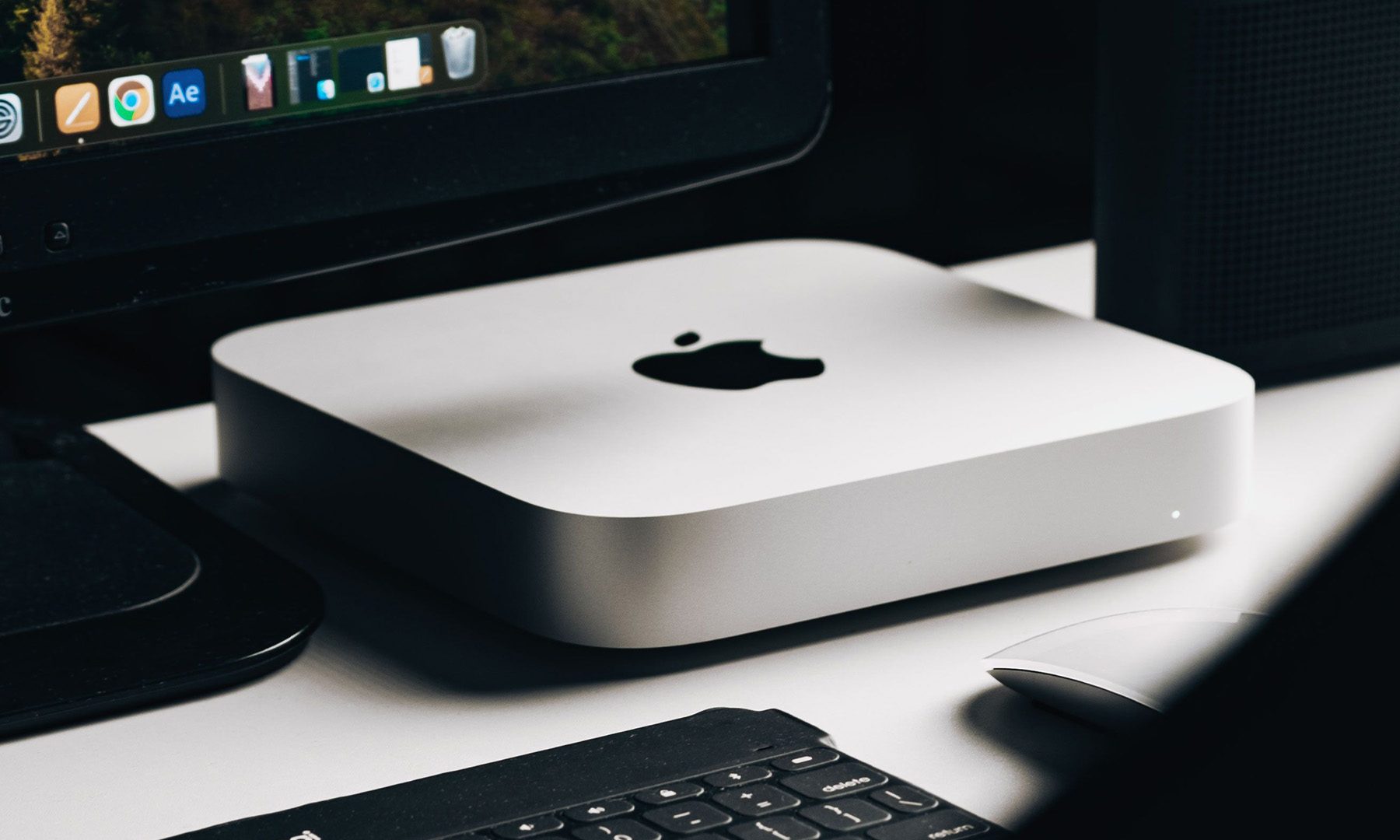
Apple Mac Mini on a Desk

A few days ago, Apple announced an ugly mid-cycle price hike, blaming the worsening-by-the-day memory crisis. According to the Financial Times, the company is now lobbying the government for approval to buy memory chips from a Chinese company.Ā 

The company in question is CXMT, a Chinese chipmaker that the Pentagon added to its Chinese Military Company blacklist for alleged ties to the Chinese army.

Read more
As iPads get pricier, Motorola’s Pad 70 Pro arrives as a solid option… just not for US buyers yet
Great specs, a stylus in the box, and no US launch date: the Moto Pad 70 Pro sounds both impressive and disappointing.
Computer, Electronics, Laptop

If you don’t know about Apple’s recent price hike, which affected all the products in its lineup except the iPhone and Apple Watch (for now), you’ve got to be living under some sort of a rock. The revision made all the iPads much more expensive.Ā 

Motorola, however, has just launched a 13-inch tablet that actually sounds good on paper. It’s called the Moto Pad 70 Pro, and it costs around $440 for the baseline model. The catch, however, is that the device isn’t available in the US yet.Ā 

Read more