1. Home
  2. Wearables
  3. News

Your headphones just got two cameras, meet Project Motoko

Razer's concept headset puts dual eye-line FPV cameras on a Snapdragon platform, pitched for hands-free POV capture and computer vision tasks

Add as a preferred source on Google
Electronics, Headphones
Razer
CES 2026
Read and watch our complete CES coverage here

Razer Project Motoko is a wireless AI headset concept that adds dual first person cameras at eye level to something you already wear for games, calls, and streams. Razer showed it at CES 2026, and the bet is that your headset can do more than audio when so much of life is now recorded.

Motoko pairs those cameras with near and far field microphones, so it can capture what you see and what’s happening around you. Razer also describes it as a front end for multiple AI services, with the idea that you can switch assistants based on the task.

Recommended Videos

It’s still a concept, but there’s a near-term milestone. Razer is taking sign-ups for a Developer Kit it expects in Q2 2026, which is the first real hint at how serious this is beyond the show floor.

Two cameras, one viewpoint

The defining choice is placement. The cameras sit where your eyes are, not on your monitor or on your desk, so the footage matches your natural perspective. Cameras are also no strangers in Razer’s product offering, as the Leviathan V2 Pro has infrared cameras that track your head and ears.

Razer links the stereo setup to depth cues and scene understanding, which is a different goal than a basic webcam. With the microphones in the mix, Motoko is meant to capture both the visual context and the audio context in front of you.

If it works well, it could make hands-free POV capture feel less like a compromise and more like a default. If it doesn’t, it becomes another gadget that only looks good in controlled demos.

Why streamers and robot builders care

Creators will notice the obvious upside. Eye-level video can look more natural than chest mounts, and it can move with you from desk to couch to IRL without rebuilding your setup every time.

Developers get a different hook. Razer explicitly points to computer vision workflows and robotics, and it talks about collecting point of view data that includes depth and attention patterns. That positioning puts Motoko closer to a wearable sensor platform than a creator accessory.

The multi-assistant angle matters most here. If Motoko can reliably hand off tasks to different AI back ends, it may fit a wider range of experiments than a single locked-in assistant.

What to watch next

The Developer Kit will either validate the idea or expose its limits fast. If it arrives in Q2 2026 and developers ship prototypes, you’ll see whether stereo POV is genuinely useful or mostly novelty.

After that, the missing specs become the story. Camera resolution, field of view, onboard processing, battery life, and where video is stored or sent will shape the privacy and practicality questions. Those details decide whether Project Motoko turns into a real tool or stays a CES concept.

Paulo Vargas
Paulo Vargas is an English major turned reporter turned technical writer, with a career that has always circled back to…
A smart glasses detector is now among the top paid apps on Apple’s App Store
Smart glasses have become so unsettling that people are buying proximity alerts
A Ray-Ban Meta Glasses wearer talks to another person using live translation.

An iPhone app designed to alert users when smart glasses may be nearby has climbed to No. 3 on the US paid App Store chart. Its name, AntiZuck Smart Glasses Scanner, leaves little doubt about how the developer feels about Meta’s camera-equipped glasses.

The app costs $2.99 and scans for Bluetooth signals linked to smart glasses. It can spot Meta Ray-Bans, Snap Spectacles, Amazon Echo Frames, and RayNeo glasses, then sends an alert when it believes one is nearby.

Read more
DuckDuckGo’s new smart glasses come with zero AI and 100% shade
No camera, no mic, no AI, just glass that blocks the sun the way sunglasses always have.
DuckDuckGo smart glasses

Smart glasses have quietly morphed into tiny surveillance cameras that people willingly wear on their faces. Every other week, a new pair promises to record video, listen to conversations, and feed it to an AI model somewhere in the cloud. They are causing such havoc that they have earned a new name: “pervert glasses.”

Not only are these glasses a privacy nightmare for people being recorded but also for people using them. A recent investigation by Swedish newspaper Svenska Dagbladet showed that Meta Ray-Ban glasses were uploading intimate and private recordings for training its AI. 

Read more
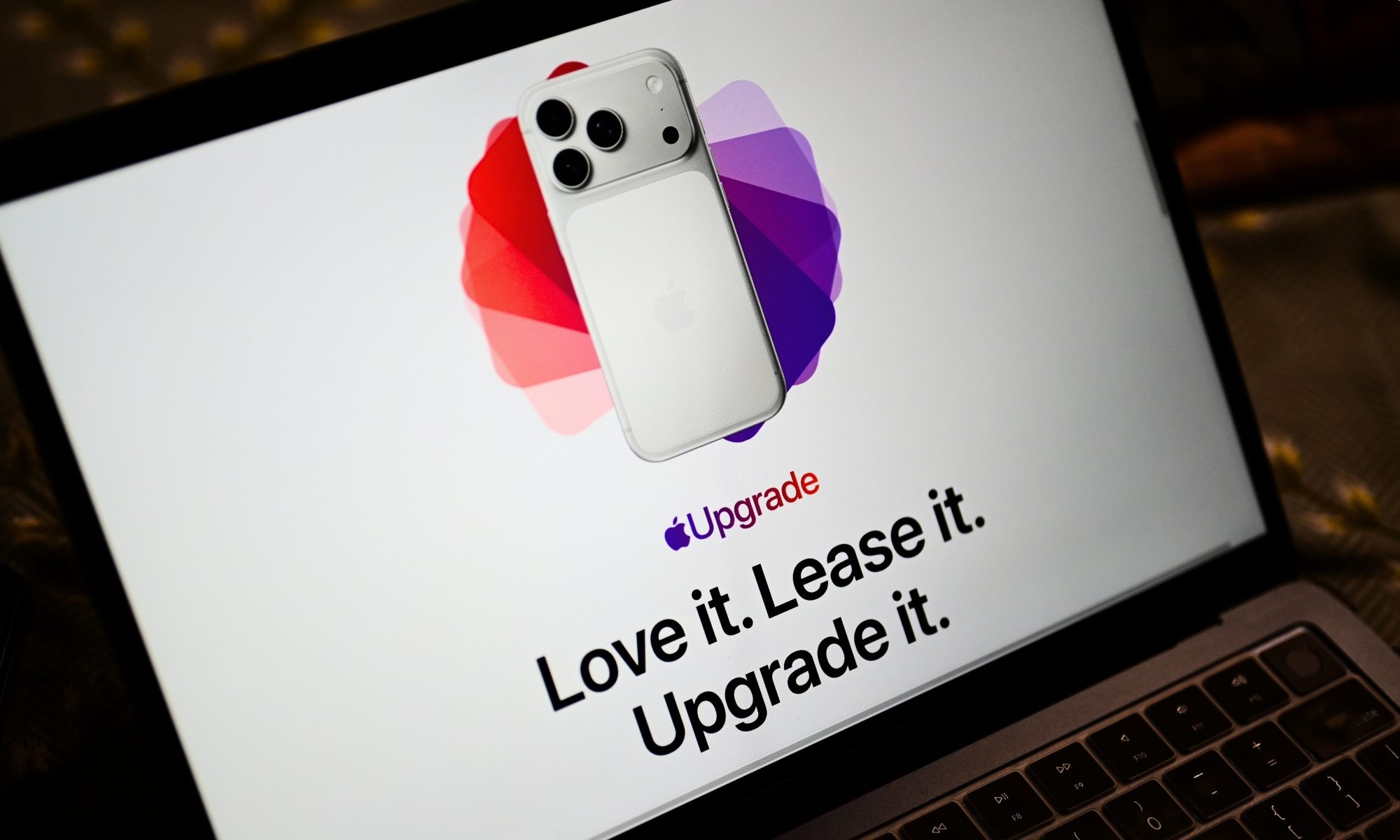
Apple’s new Upgrade plan won’t punish missed payments with restrictions, but three strikes could end your lease
Restricted Mode remains in iOS 27 beta, but Apple says it won’t be used for Upgrade payment defaults
Computer, Electronics, Laptop

Apple recently announced its new Apple Upgrade leasing plan, which lets customers pay monthly for an iPhone, iPad, Mac, or Apple Watch through Klarna. The program replaces the long-running iPhone Upgrade Program and expands the option beyond phones for the first time.

However, code discovered by 9to5Mac in an iOS 27 beta raised concerns about what could happen if someone fell behind on payments. The new App Managed Features system appeared capable of checking a customer’s payment status and placing a financed device into Restricted Mode.

Read more