1. Home
  2. Computing
  3. News

Your teen is probably using AI for homework

New Pew data shows 54% of teens turn to chatbots for schoolwork, but the reality is more complex than the cheating panic.

Add as a preferred source on Google
Student typing on a laptop at a desk.
Niklaspatzig / Pixabay

A new Pew Research Center survey confirms a parent’s hunch. Your teen is probably using AI for homework. More than half of U.S. teens ages 13 to 17 say they have turned to chatbots like ChatGPT or Copilot for school tasks. The data, collected in fall 2025, offers the clearest look yet at how AI has reshaped student life.

But the numbers tell a nuanced story. While 54 percent have used AI for school, only about one in ten rely on it for all or most of their assignments. That small group marks a real shift. Larger shares use it for some, 21 percent, or a little, 23 percent, of their work. Nearly half, 45 percent, haven’t used it for school at all. AI is common but far from universal.

From research to math help

Teens mostly reach for AI on specific tasks. Roughly four in ten use it to research topics or solve math problems. A third have used it to edit something they wrote. They treat these tools like smart tutors, not ghostwriters.

Recommended Videos

And the tools deliver. About a quarter of all teens say chatbots have been extremely or very helpful for schoolwork. Another quarter say somewhat helpful. Only 3 percent found them useless. That positive experience keeps adoption climbing as schools scramble for policies.

What teens think about cheating

Students know the ethical lines blur. Most teens, 59 percent, say AI cheating happens at least somewhat often at their school. A third say it happens extremely or very often. Just 14 percent say it rarely or never occurs.

The heavy users see it most. Among teens who use AI for school, three-quarters say cheating is a regular thing. That perception matters. If kids think everyone’s doing it, they feel pressure to keep up. And with 15 percent unsure what counts as cheating, schools have room to clarify the rules.

What schools and parents should watch

AI is no longer a fringe tool. Sixty-four percent of teens use chatbots in some form, a number higher than parents estimate. Schools crafting policies must reckon with students who already have strong opinions about acceptable use.

For parents, the focus should shift from policing to talking. Only about one in ten teens feel highly confident using chatbots. That gap between usage and confidence opens a door. Parents can ask when AI helps and when it gets in the way of real learning. Teens seem ready for that talk. They see the cheating, 59 percent admit it happens, but they also value the help. The trick is keeping the support without losing the learning.


Paulo Vargas
Paulo Vargas is an English major turned reporter turned technical writer, with a career that has always circled back to…
AI is finding Apple security flaws faster than Apple can sort through them
Apple has limited how many bug reports researchers can keep open as AI tools produce both genuine Mac vulnerabilities and a flood of questionable submissions
Lighting, Architecture, Building

Apple has capped the number of security reports researchers can keep open at once after AI bug hunting put its review process under pressure, according to the Financial Times.

Some submissions describe hallucinated or purely theoretical risks. Others uncover vulnerabilities serious enough to require patches. Bynario told the FT that it found more than 50 possible macOS flaws in three weeks, including a privilege-escalation chain that could give an attacker full control of a Mac.

Read more
Anthropic is paying $1.5 billion over pirated books, but it can still legally cut up purchased ones
The settlement addressed unauthorized ebook downloads, not the destructive scanning of lawfully bought physical copies, a distinction now alarming booksellers
Book, Publication, Indoors

A federal judge has approved Anthropic’s $1.5 billion settlement over nearly half a million pirated books. The same litigation also protected a more physical method of feeding its AI systems. Anthropic bought print books, removed their bindings, scanned every page and destroyed the originals.

The legal divide came down to acquisition. The settlement covers books downloaded from LibGen and PiLiMi, while the court treated Anthropic’s one-for-one conversion of purchased books into private digital files as fair use. Training AI models on lawfully acquired material was also considered transformative.

Read more
Google Earth’s AI misadventure lasted only a day. It was a tale of dangerous ignorance.
Nuclear reactors, tanks, and historical destruction on a life-like satellite map? Yeah, that's bad.
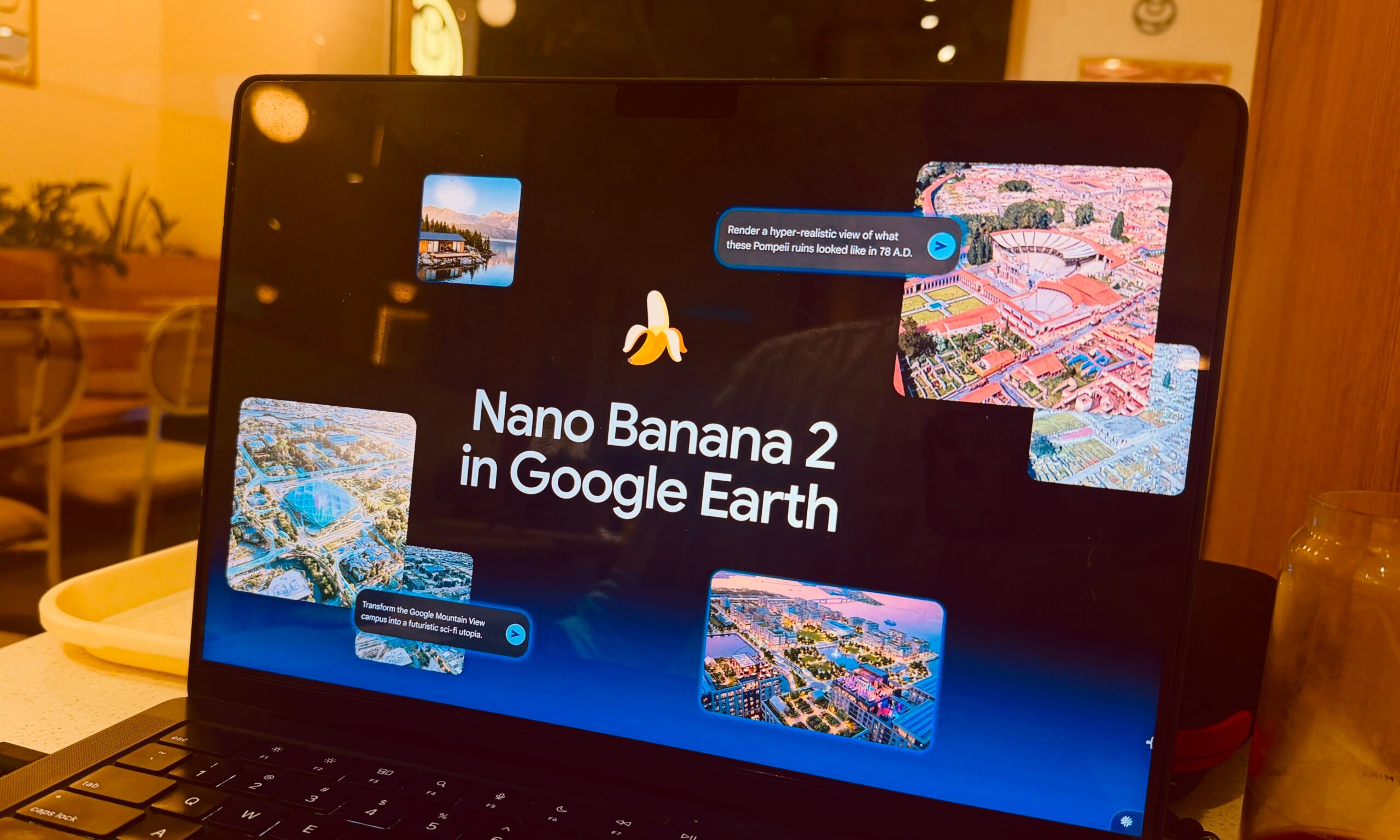
Nano Banana AI image generator representation.

Technology behemoths are clearly not reading the room, or they are just moving faster than they should when it comes to AI deployment. Google has already stuffed its Gemini AI in every corner of its software stack, from Android to daily productivity tools like Gmail that are used by hundreds of millions of users every day. AI is everywhere. Not all of it is bad, mind you. But in a few places, it just feels forced.

In its latest AI-fication experiment, the company targeted Google Earth. The idea was to let the audience use its Nano Banana 2 AI image generator and make images that can be placed on the map view. On paper, it's a cool idea. What would the Colosseum of Rome look like in your urban neighborhood? Yeah, fun stuff like that.

Read more