1. Home
  2. Computing
  3. News

Digital Trends may earn a commission when you buy through links on our site. Why trust us?

Razer’s latest Blade 16 goes Intel-powered with better battery and performance

The 2026 refresh focuses on efficiency, AI, and raw power.

Add as a preferred source on Google
Razer Blade 16 (2026) featured
Razer

Razer has officially unveiled the 2026 Blade 16, and this time, the biggest change isn’t the design, but what’s inside. After switching to AMD last year, Razer is now moving back to Intel, with the new Blade 16 powered by the Intel Core Ultra 9 386H processor.

Introducing the next-gen Razer Blade 16, engineered to deliver even more incredible performance: https://t.co/yGys5ZNlSx

This 16-inch ultra-thin gaming machine is driven by the next-gen Intel® Core™ Ultra 9 processor and our patented vapor chamber cooling. Armed with… pic.twitter.com/0j2iMnkvzQ

— R Λ Z Ξ R (@Razer) March 25, 2026

This chip brings plenty of cores, higher efficiency, and integrated AI performance, including an NPU capable of handling Copilot+ features. Pair that with NVIDIA’s RTX 50-series GPUs, and you’ve got a machine that’s clearly built for both gaming and heavy AI workloads.

What’s new in the 2026 Blade 16?

The biggest shift is the move back to Intel’s latest Core Ultra 9 386H processor, bringing a 16-core setup with improved efficiency and AI performance (up to ~50 TOPS NPU). Paired with up to RTX 5090 at 165W TGP, this machine is clearly built for serious gaming, content creation, and even AI workloads. Razer has also upgraded the memory to LPDDR5X-9600, which is significantly faster than last year’s model, and supports up to 64GB RAM, making multitasking and heavy workflows much smoother.

Beyond raw power, Razer is focusing heavily on efficiency and overall usability this time. The new Blade 16 promises up to 60% better battery life in productivity scenarios, thanks to Intel’s newer architecture and power optimizations. The display also gets a boost with a 240Hz OLED panel hitting up to 1100 nits in HDR, while connectivity steps up with Thunderbolt 5 support for faster data transfer and external display capabilities. Add to that the same ultra-thin 14.9mm chassis, and this generation feels less like a spec bump and more like Razer finally balancing performance with practicality.

So… is this finally the “complete” Blade?

If Razer is actually able to deliver on its improved battery life claims, that’d be a big deal for a laptop that’s always been known for raw power, but not exactly for lasting all day. At the same time, the Blade 16 hasn’t lost its identity. You still get that sleek CNC aluminum chassis, a gorgeous high-refresh OLED display, and the same premium, minimalist design that’s made it the “MacBook Pro of gaming laptops.”

For buyers, this feels less like a flashy overhaul and more like a smart correction. By switching back to Intel, Razer is clearly focusing on efficiency, AI readiness, and a better balance in a thin chassis. It’s still insanely powerful, just more practical now.

Varun Mirchandani
Varun is an experienced technology journalist and editor with over eight years in consumer tech media. His work spans…
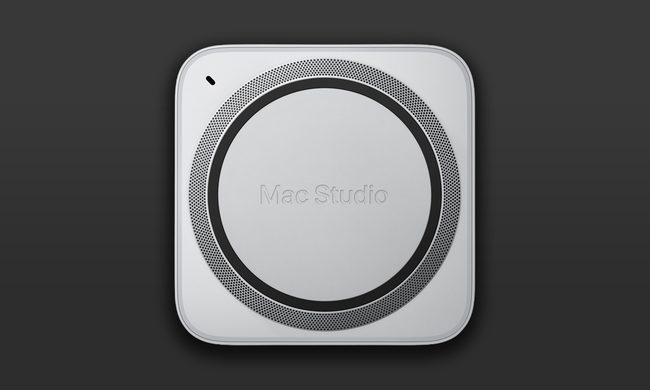
Apple’s next Mac Studio could get a new M5 Ultra chip and a cooler upgrade
The desktop workstation is tipped to receive an M5 Ultra this year, an M7 Ultra later, and a redesigned heat sink.
Apple Mac Studio Featured

Apple's Mac Studio may not be getting a fresh new look anytime soon, but it could be getting a meaningful upgrade where it matters most. According to Mark Gurman in the latest edition of his Power On newsletter, Apple is preparing an M5 Ultra-powered Mac Studio as early as this year, while an even more powerful M7 Ultra version is already on the company's roadmap for 2028. Interestingly, the report also claims Apple is redesigning one component most users will never see: the heat sink.

More power is coming, and Apple wants to keep it cool

Read more
Apple’s historically high tax for RAM upgrades on Macs has now become absurd
Mac RAM upgrade prices have doubled amid the global memory crunch
MacBook Pro.

Apple’s Mac RAM upgrades were already expensive enough to raise eyebrows. After the company’s latest round of price hikes, some of them now look ridiculous.

Apple recently raised prices across its Mac and iPad lineup, along with other products, citing rising memory and storage costs. The supply crunch is real, but Mac buyers were paying steep premiums for RAM and SSD upgrades long before this jump. Recent MacBook Pro configuration screenshots shared by 9to5Mac show how much worse the upgrade path has become.

Read more
Windows 11 is getting a new Screen Tint mode, and your eyes might thank Microsoft
Users can apply custom color overlays to reduce screen intensity and visual fatigue.
Windows 11 on a laptop

Microsoft is testing a new accessibility feature for Windows 11 called Screen Tint, and it could be one of those small additions that make a surprisingly big difference. Instead of changing your display's color temperature like Night Light, Screen Tint applies a customizable color overlay across the entire screen, making bright displays easier on the eyes during long work or gaming sessions.

A softer screen for tired eyes

Read more