  1. Home
  2. Phones
  3. News

Apple could get a taste of sub-nanometer chips in 2029

TSMC is reportedly looking toward the sub-1nm era, with a new report pointing to a 2029 trial production target.

Add as a preferred source on Google
TSMC 12-inch silicon wafer.
TSMC

Apple is often the first to the starting line when it comes to shrinking silicon, and its partnership with TSMC is a key reason behind that lead. While we are currently settling into the 2nm era, the roadmap for what comes next is already coming into focus. A new report reveals TSMC is eyeing the sub-1nm milestone with a target for trial production as early as 2029.

TSMC’s silicon roadmap leading to sub-1nm chips

According to DigiTimes, the move to sub-1nm won’t be a single leap. Following the successful start of 2nm mass production late last year, TSMC is already looking toward its next milestone. The foundry plans to move to the 1.4nm node in 2028, which is said to deliver 15 percent improved performance and 30 percent better power efficiency.

Recommended Videos

The sub-1nm process will arrive next, with TSMC already readying its Tainan A10 facility and its P1-P4 plants for this transition. The company has reportedly set an initial goal of 5,000 wafers per month during the 2029 trial phase. For Apple, this means the potential for chips with unmatched transistor density to power iPhones and Macs of the early 2030s.

Why this matters

The push toward sub-1nm is less about marketing and more about meeting the demands of next-gen computing. As software and on-device AI continue to become more resource-intensive, these nodes will be essential for the growing performance needs without sacrificing battery life.

However, sub-1nm chips could bring their own set of challenges. With yields remaining a constant challenge, even for TSMC’s 2nm process, and manufacturing costs expected to stay high, these cutting-edge SoCs will likely be reserved for Ultra-tier flagships for the foreseeable future. And while the chips may get smaller, the price tags for top-end devices will likely continue to go in the opposite direction.

Pranob Mehrotra
Pranob is a seasoned tech journalist with over eight years of experience covering consumer technology. His work has been…
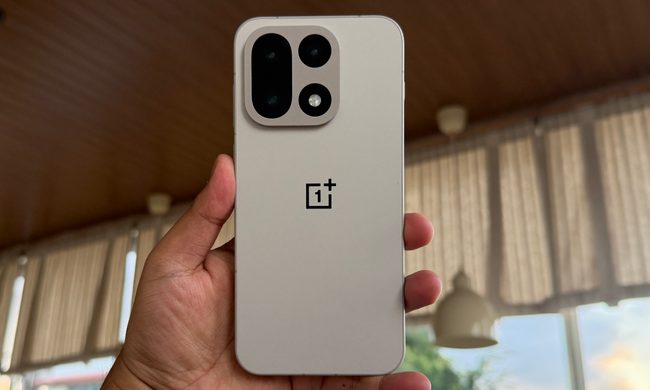
OnePlus is building another flagship monster for a shrinking audience, and its expected to launch in October
OnePlus 16 could launch in October, but it may not leave China
Rear shell of OnePlus 15.

While OnePlus may have exited the US and Europe, the brand is still alive in its home market and is already working on its next flagship smartphone. A fresh leak from Chinese tipster Digital Chat Station has now revealed more details about the OnePlus 16, including its design and a revised launch timeline.

The tipster previously claimed that the phone would arrive in September 2026, but the latest information points to an October launch in China (via Gizmochina). The global picture is far less clear, and there is now even some doubt over whether the OnePlus 16 will make it to India, which remains the company’s biggest market.

Read more
Samsung has another wild foldable phone lined up for 2027 and it will excite screen connoisseurs
Samsung wants another giant OLED folding inside your pocket
Samsung Galaxy TriFold unfolded

Samsung just gave foldable fans a wider 4:3 canvas with the Galaxy Z Fold 8. But that still isn't enough screen for the company. Samsung has reportedly begun early development of a successor to the Galaxy Z TriFold, its dual-hinged phone that unfolds into something much closer to a proper tablet.

According to Korean publication ETNews, Samsung has already shared information about the next-generation project with suppliers, but its final specifications have yet to be decided. One detail should immediately grab the attention of anyone who buys a foldable primarily for its display. A source familiar with the project told ETNews that Samsung is currently targeting a screen size similar to the original TriFold.

Read more
Android’s most powerful app permission could soon come with a much scarier warning
New Android 17 language spells out how trusted apps may interact with your screen while your device remains locked
Electronics, Mobile Phone, Phone

Android 17 could make one of its most powerful app permissions harder to approve without a second thought. New warning text explains that trusted apps may view and interact with screen content, even while the phone is locked.

Nerd’s Chalk uncovered the language in an APK teardown of Android 17 QPR2 Beta 1. The feature isn’t active, but Google’s description now leaves considerably less to the imagination.

Read more