  1. Home
  2. Phones
  3. News

Samsung’s next-gen display can measure heart rate and blood pressure through your fingertip

Forget the smartwatch, your phone screen might soon track your vitals.

Add as a preferred source on Google
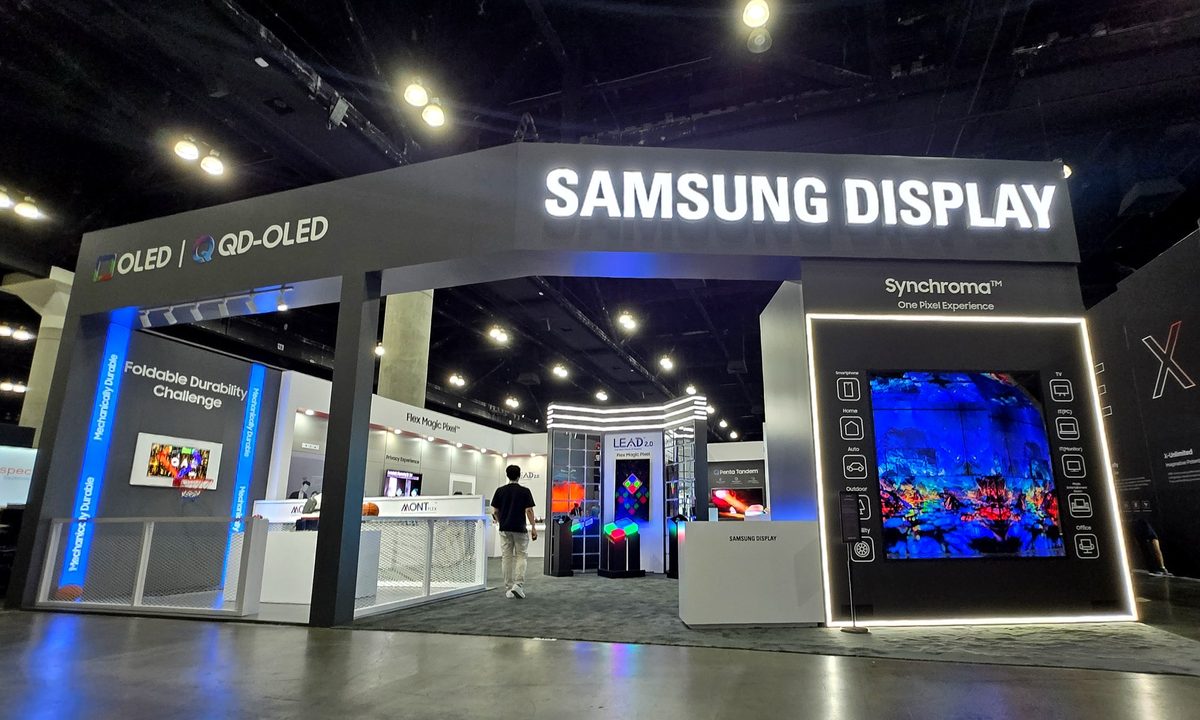
Samsung Display Booth at Display Summit
Samsung Display

Samsung is always pushing the boundaries of what a display could do. Earlier this year, the company released its flagship Galaxy S26 Ultra with a Privacy Display that turns off wide-angle pixels, limiting the viewing angle so no one can snoop on your phone. 

Now, the company has showcased a display technology that could make your next smartphone a surprisingly capable health monitoring device. At Display Week 2026 in Los Angeles, the company unveiled its latest Sensor OLED Display, a 6.8-inch panel that integrates health sensors directly into the display itself. 

Recommended Videos

It can measure biometric data such as heart rate and blood pressure by detecting blood flow with light emitted from the screen. You just place your finger on the display, and it does the rest.

How does it work?

The panel combines standard OLED pixels with Organic Photodiodes, all packed into a single layer. The photodiodes detect the light reflected back from your finger and use it to read your vitals. It’s similar to how some smartwatches and smart rings can use light to detect blood pressure

Getting this to work at a high resolution is genuinely difficult because the sensor pixels and display pixels have to share the same layer, but Samsung managed to push it to 500 PPI, a 33% improvement over what it showed at last year’s Display Week.
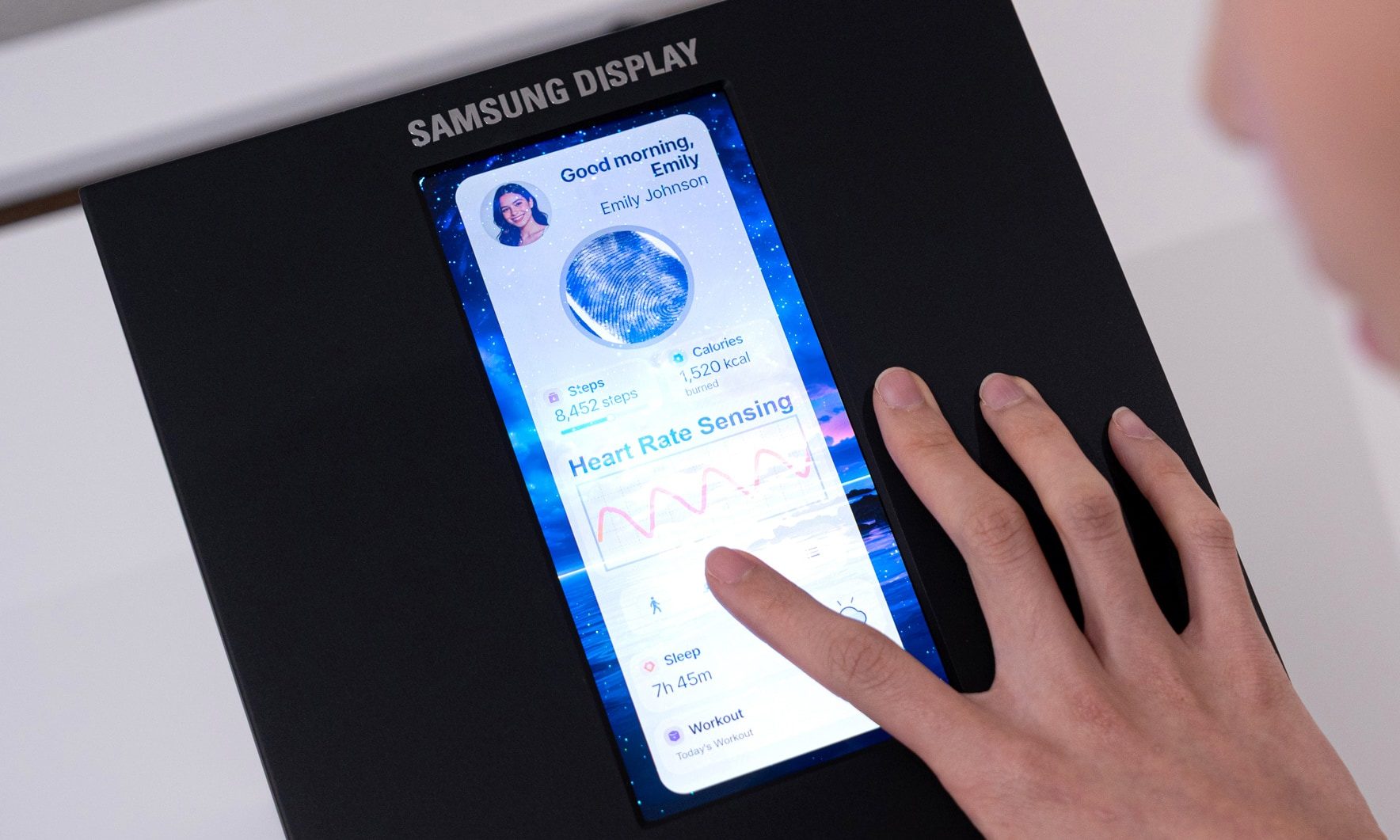
That puts it on par with the resolution you would find on a premium smartphone today. It can be a game-changer for people who prefer wearing traditional watches but still want some health tracking features.

What else is new?

The display also features Samsung’s new Flex Magic Pixel privacy technology. Unlike a regular privacy screen that blacks out completely when viewed from an angle, Flex Magic Pixel only hides the sensitive health information on screen while keeping everything else visible.

The current Privacy Display already has a feature where it can hide only sensitive notifications or a portion of the display. So it’s still to be seen what extra features this new technology can enable. 

There is no confirmed timeline for when this will make it into a consumer device, but given how far along the resolution and feature set looks, it feels closer than you might think.

Rachit Agarwal
Rachit is a seasoned tech journalist with over ten years of experience covering the consumer technology landscape.
The iPhone 18 Pro could launch in these three colors, and black still isn’t one of them
Three colors, no black, and a Dark Cherry that's meant to do what Cosmic Orange did last year.
Apple iPhone 17 Pro White

iPhone Pro fans who were hoping Apple would bring back a dark color option this year might not be happy after reading this.

According to a new leak from Weibo tipster Instant Digital, the iPhone 18 Pro could launch in just three colors: Dark Cherry, Light Blue, and Silver-Gray. You see? Black or dark gray is not on the list.

Read more
Elon Musk’s SpaceX could be making an AI device that’s slimmer than the iPhone
A slim SpaceX AI device prototype has likely been shown to some investors
Elon Musk talks to the press as he arrives to to have a look at the construction site of the new Tesla Gigafactory near Berlin.

SpaceX has reportedly shown investors a prototype of a handset-like AI device that is slimmer than an iPhone. According to The Wall Street Journal, the device is said to run on a proprietary operating system, use a Qualcomm Snapdragon chip, and integrate AI technology from xAI.

The project is still at an early stage, and there is no guarantee that SpaceX will turn it into a real product. The report also does not describe it as a traditional smartphone, which is important. It could be a phone, something closer to a dedicated AI device, or a product that never makes it past the prototype stage.

Read more
Android 17 makes it harder for bad actors to guess and crack the PIN on your phone
Thieves only get 20 shots before the door slams shut
Electronics, Mobile Phone, Phone

Google is planning on making Android 17 even more secure. The company had previously confirmed that Android 17 will now reduce the number of times someone can guess your PIN or password and add longer wait times between failed attempts.

Now, thanks to a deeper breakdown from Mishaal Rahman, we have a better idea of how aggressive that change really is.

Read more