  1. Home
  2. Computing
  3. News

Next-gen DDR6 memory with insane speeds has entered development, but there’s a long wait

Samsung, SK Hynix, and Micron are already working on your next PC's memory upgrade.

Add as a preferred source on Google
RAM sticks on concrete surface
Andrev Matveev / Unsplash

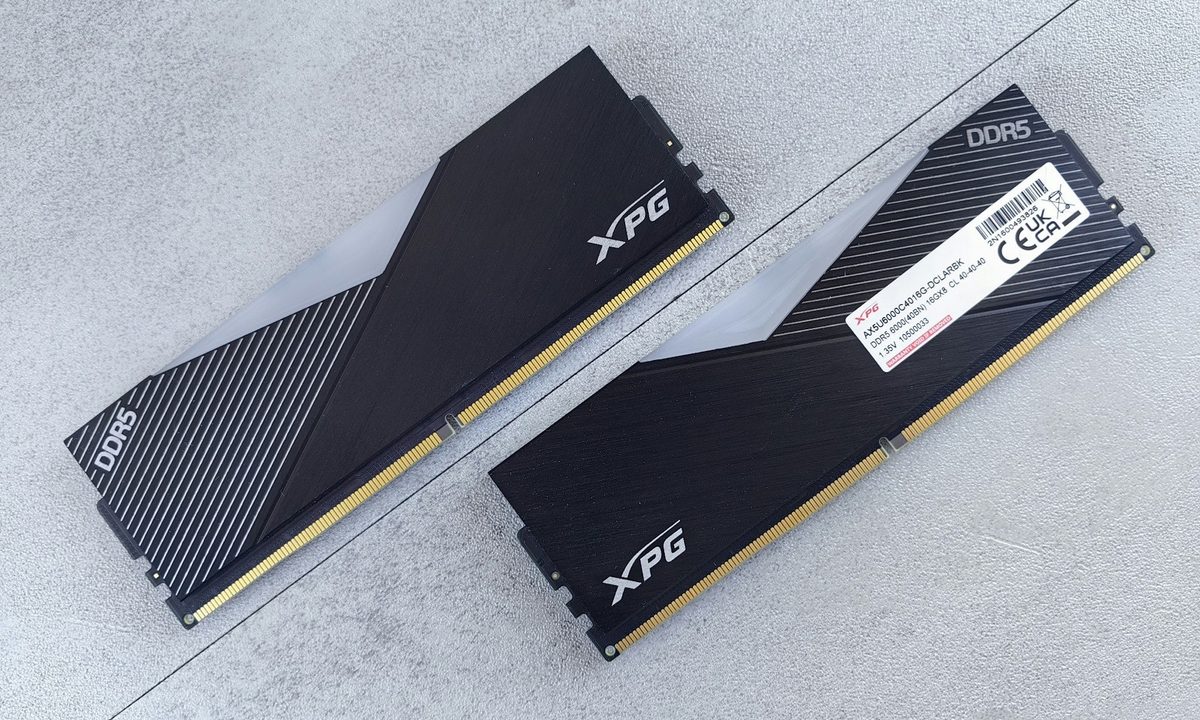
The commercial adoption of DDR5 started in 2021 as it slowly became the new standard, and now the industry is already working on what comes next. According to TheElec, Samsung Electronics, SK Hynix, and Micron have quietly kicked off early development of DDR6, the next generation of memory protocol.

The three companies have shared their designs with substrate manufacturers, who are now building initial prototypes and running verification tests.

Recommended Videos

“Memory companies and substrate manufacturers typically proceed with joint development more than two years before product launch,” an industry official told TheElec. “Initial development of DDR6 has recently begun.” It is still very early days, but the process has started.

Why does DDR6 matter?

DDR6 is expected to more than double the data transfer speeds of DDR5, which currently tops out at 8.4Gbps. That is a significant leap, which will vastly improve the performance.

However, it comes with its own set of challenges. At higher speeds, maintaining signal integrity and power efficiency gets a lot harder, which is why substrate manufacturers are brought in right at the start, instead of later in the process.

When can we expect it?

Not anytime soon. The JEDEC standards body has not finalized the DDR6 specification yet. A draft was released in late 2024, but key details like thickness, I/O port count, and signal standards are still being worked out. Mass production is not expected until 2028 or 2029, and only once end-customer demand becomes clearer.

The push to develop DDR6 comes partly from the AI boom. AI servers are hungry for faster memory and higher bandwidth, and DDR4, which has been around since 2014, is already on its way out. DDR5 now accounts for over 80% of server DRAM shipments, with DDR4 falling below 20% and possibly heading toward discontinuation.

While DDR6 development news is good for the industry, its adoption will depend on the pricing. AI has already driven up RAM prices exponentially, and DDR6 will absolutely command a premium price. 

Research suggests that RAM and storage costs should begin to decline by 2027, offering hope that prices will stabilize before DDR6 reaches the market.

Rachit Agarwal
Rachit is a seasoned tech journalist with over ten years of experience covering the consumer technology landscape.
Gemini in Chrome can now see exactly what you’re looking at on screen
Google's new "Select from screen" tool makes it easier to ask Gemini questions about text and images in a browser tab.
Google Chrome Gemini Featured

Google is making Gemini a lot more aware of what's happening inside Chrome. The company has started rolling out a new "Select from screen" feature that lets users highlight specific text or images from a webpage and send them directly to Gemini, making conversations with the AI assistant far more contextual.

Gemini can now focus on exactly what users want to ask about

Read more
Microsoft’s new Surface PCs are cheaper — but there’s a catch
Cardboard, Box, Carton

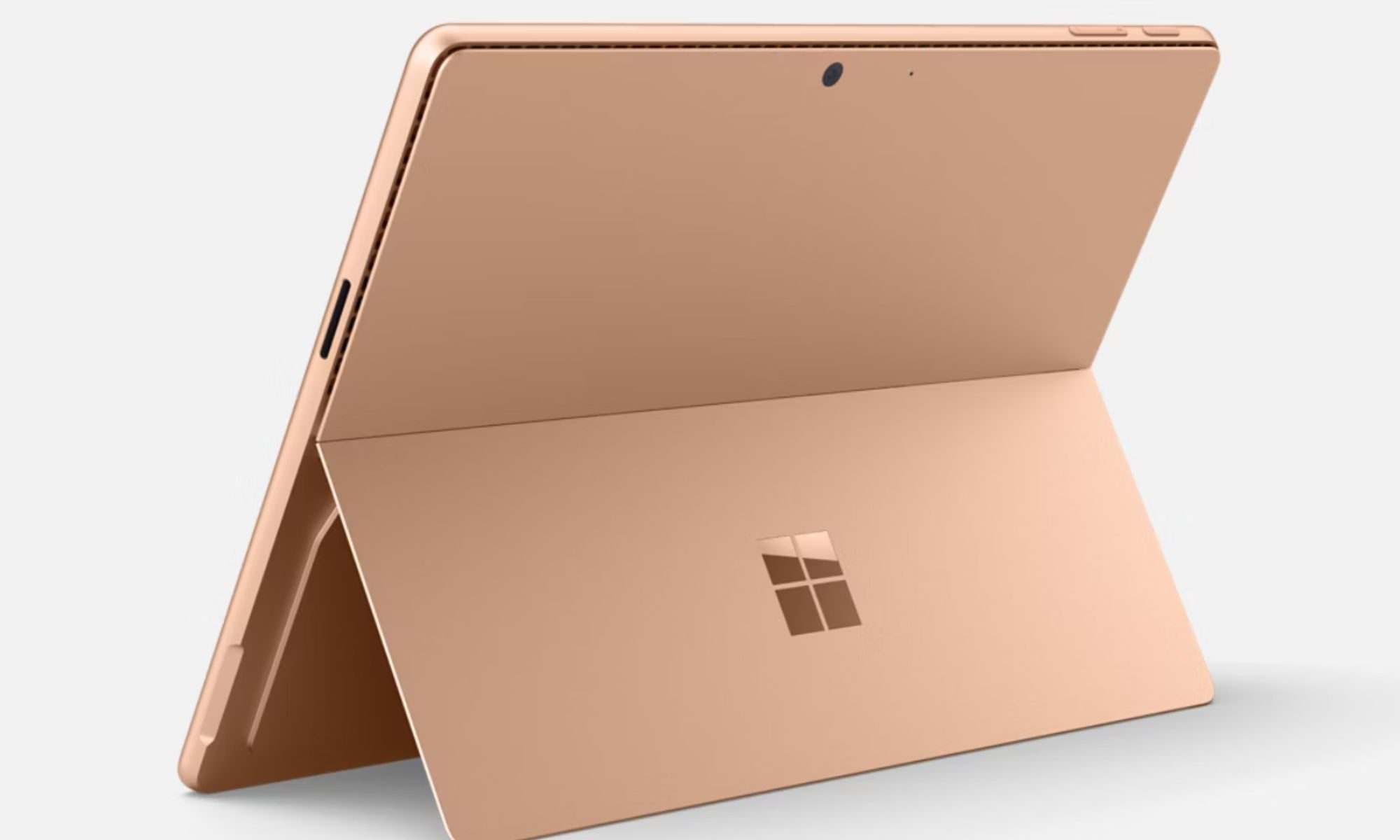
The tech industry’s favorite balancing act is getting harder by the month. Component prices are rising, memory costs refuse to settle down, and laptop makers are scrambling to keep sticker shock under control. Microsoft’s latest Surface refresh feels like a direct response to that problem.

The company has introduced new entry-level versions of its 12-inch Surface Pro and 13-inch Surface laptop, offering lower starting prices without changing the processor or storage. On the surface, that sounds like good news for budget-conscious buyers. Dig a little deeper, however, and you’ll find a compromise hiding in plain sight.

Read more
A new supercomputer has dethroned the U.S — here’s why it matters
Crowd, Person, Architecture

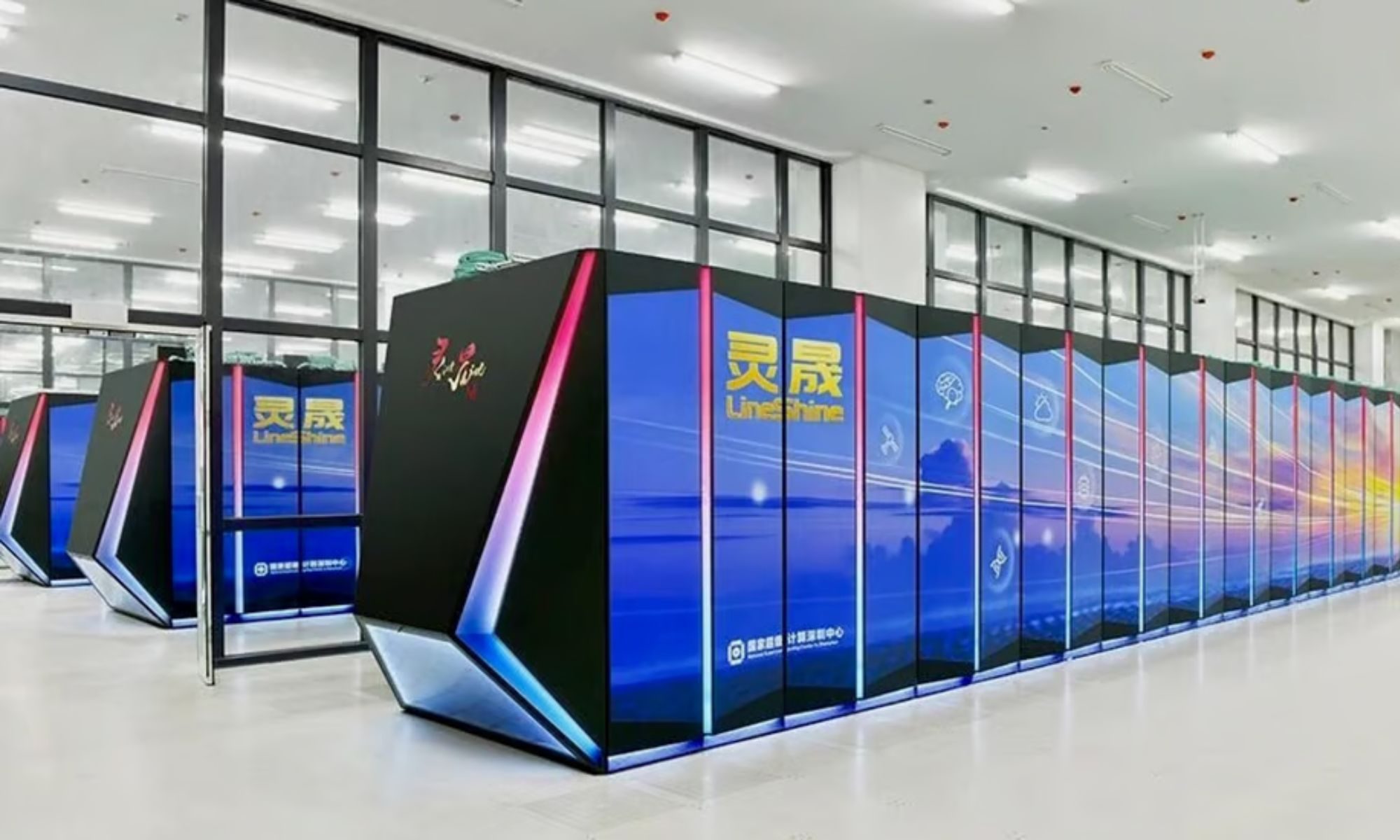
The race to build the world’s fastest supercomputer has been dominated by the United States. Now, China has stormed back into the lead. A newly ranked system called LineShine has claimed the No. 1 position on the latest Top500 list, a closely watched ranking of the planet’s most powerful supercomputers. The machine, located in Shenzhen, pushed past the U.S. government’s El Capitan system and became the first Chinese computer to top the list since 2017. That’s notable on its own. But what makes LineShine particularly interesting is how it got there.

The tortoise just outran the rocket

Read more