Apple is currently facing a Siri problem that has nothing to do with Siri at all. With WWDC 2026 just weeks away, The Information reports the company is actively courting developers to integrate their apps with the new Siri coming in iOS 27.
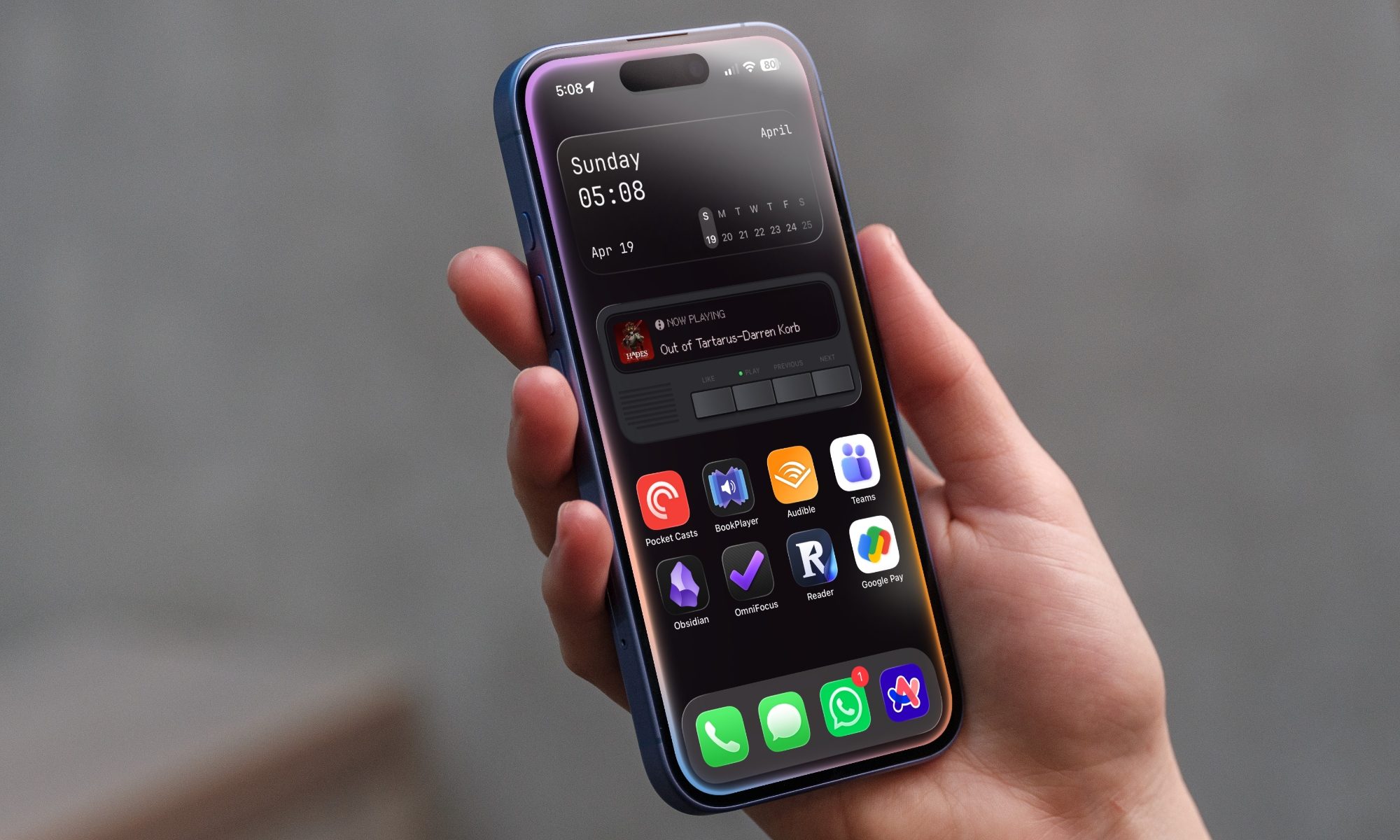
The mechanism powering the overhauled Siri, App Intents, is an API that lets Siri execute actions inside third-party apps without you actively opening them, which sounds quite useful, I’d say. However, some of the world’s largest developers are dragging their feet on it, not because it’s tough, but because Apple left the door open on charging for it later.
Why are developers hesitant to integrate the new Siri?
Apple has reportedly told developers not to charge a commission, but only in the early stages of Siri integration. However, the company hasn’t ruled out introducing one later, when the APIs are in place, and Siri is working just fine. To me, that sounds more like a legal hedge than a reassurance.
Among the Chinese developers being courted by the company are Baidu, Alibaba, and Tencent, and employees at all the companies are feeling hesitant about it. The concern is that if Siri becomes the primary assistant through which users complete tasks in the apps, developers who integrate the assistant are handing Apple a new chokepoint over their customer relations.
To summarize everything in one line, Apple wants the ecosystem benefits of deep Siri integration, but it isn’t committing to the commercial terms that would actually encourage developers to integrate the overhauled Siri (with App Intents) in their apps.

Apple’s App Store AI agent problem is even messier than the Siri one
Separately, the iPhone-maker is reportedly working to incorporate AI agents into the App Store itself, and this is where things might get thorny. AI agents can spin up smaller apps on the spot to complete tasks, which creates a real problem (via The Information).
The App Store publishing process might have approved a parent agentic app, but it might not have any visibility into what the agent creates inside it. An example cited in the report is about OpenClaw, an agentic system where agents went haywire and deleted all of a user’s emails.
Engineers at the company are believed to be working on a security system that prevents AI agents’ freewheeling behavior while keeping agents within its privacy framework. While the company might announce the integration of AI agents in the App Store at the WWDC 2026 keynote, it might not be entirely ready with it.

WWDC is right around the corner
During the last earnings call, Tim Cook briefly acknowledged the AI agent trend, citing how people are buying the Mac mini and Mac Studio to run local agents on them. So, Apple knows that the wave is here, but it hasn’t figured out how to create a product or service out of it that generates profits without breaking everything else.
The fee ambiguity, I’d say, is Apple’s own making. The company built the App Store on clear commission terms that developers clearly understood, even though they don’t really like it. Leaving Siri integration commercially undefined is an invitation to stall, which is something that Apple can’t afford right now, especially after The Android Show 2026.
Elsewhere, the App Store AI agent problem is arguably worse. The company has spent years building the world’s most controlled app marketplace, and yet somehow, it is planning to integrate AI agents that spin up unapproved apps on the fly. At WWDC 2026, Apple needs to answer both these questions, both for stakeholders and end users.