  1. Home
  2. Emerging Tech
  3. News

FAA clears the runway for Mach flights that could cut travel times nearly in half

New regulations could dramatically reduce travel times while keeping sonic booms under control.

Add as a preferred source on Google
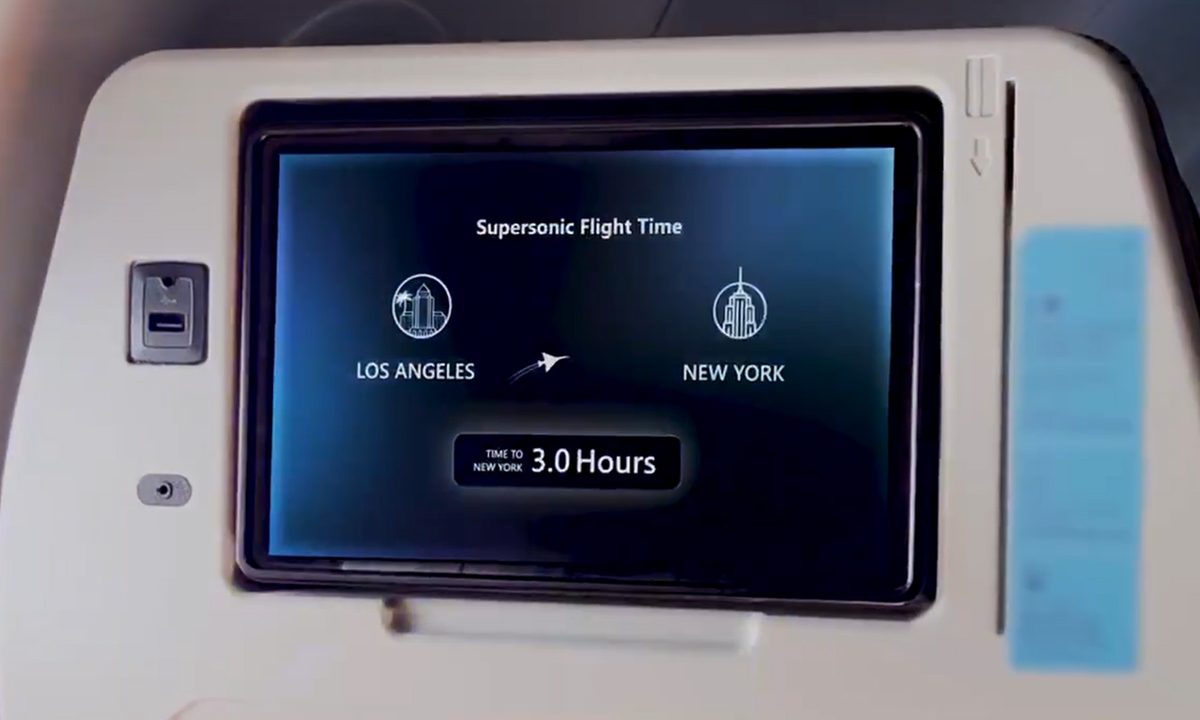
Supersonic Flight Time
Secretary Sean Duffy / The White House

The dream of flying faster than the speed of sound just took a major step forward. The Federal Aviation Administration (FAA) has announced a proposed rule that would create the first noise-based certification standards for a new generation of supersonic passenger aircraft, removing one of the biggest regulatory hurdles standing in the way of commercial Mach 1+ flights.

The goal is simple: fly faster without the boom

For decades, overland supersonic flights have been heavily restricted because of the disruptive sonic boom created when aircraft break the sound barrier. The FAA now says advances in aerospace engineering, materials science, and noise reduction mean future aircraft could fly at supersonic speeds without producing the traditional ground-level sonic boom, allowing regulators to rethink rules that have existed since the 1970s.

🚨COMING SOON: SUPERSONIC FLIGHTS ✈️

The @FAANews is clearing the way for supersonic technology to take the skies at MACH 1 SPEEDS ‼️

The airspace is about to get faster… Welcome to the Golden Age of Travel 👇 pic.twitter.com/GK59TPQknR

— Secretary Sean Duffy (@SecDuffy) June 30, 2026

The agency also plans to introduce a second set of rules later this year covering takeoff and landing noise, giving manufacturers a clearer certification path for future supersonic aircraft. According to the announcement, the FAA aims to finalize both regulations by mid-2027.

Flights could eventually take half the time

If these aircraft become commercially viable, the payoff could be significant. The FAA notes that Mach 1 aircraft travel at roughly 770 mph or more, compared to the 550–600 mph cruising speed of today’s commercial airliners. That means journeys that currently take six hours could one day be completed in around three, dramatically shrinking travel times for both passengers and cargo.

It’s worth noting that this isn’t the launch of a new airplane, nor does it mean supersonic flights are arriving overnight. What the FAA has announced is the regulatory groundwork needed to make them possible. If manufacturers can meet these new safety and noise standards, the next generation of commercial air travel could look and sound very different from today’s skies.


Varun Mirchandani
Varun is an experienced technology journalist and editor with over eight years in consumer tech media. His work spans…
NotebookLM’s 60-second videos turned my doomscrolling curse into something useful
Electronics, Mobile Phone, Phone

Short videos have taken over just about every app we use. You scroll through them on X, lose track of time on Instagram, watch them on YouTube, and now even Netflix has its own bite-sized feed. So when I heard that Google was bringing the format to NotebookLM, it felt both surprising and completely inevitable at the same time.

Google has announced Short Video Overviews for NotebookLM, a feature that turns dense documents and complicated sources into 60-second vertical videos that explain key ideas. Instead of staring at pages of notes, you get a quick visual walkthrough of the concept you're trying to understand.

Read more
You can now generate images with Gemini’s memory without paying a dime
Study guide created by Gemini

Google has made one of Gemini's most interesting AI tricks a lot easier to try. The company is rolling out its personalized image generation feature to eligible U.S. users for free, removing a paywall that previously kept it exclusive to Gemini's paid tiers.

Powered by Google's Nano Banana image model, the feature does more than generate pretty pictures; it taps into Gemini's understanding of you, making AI-generated images feel surprisingly personal.

Read more
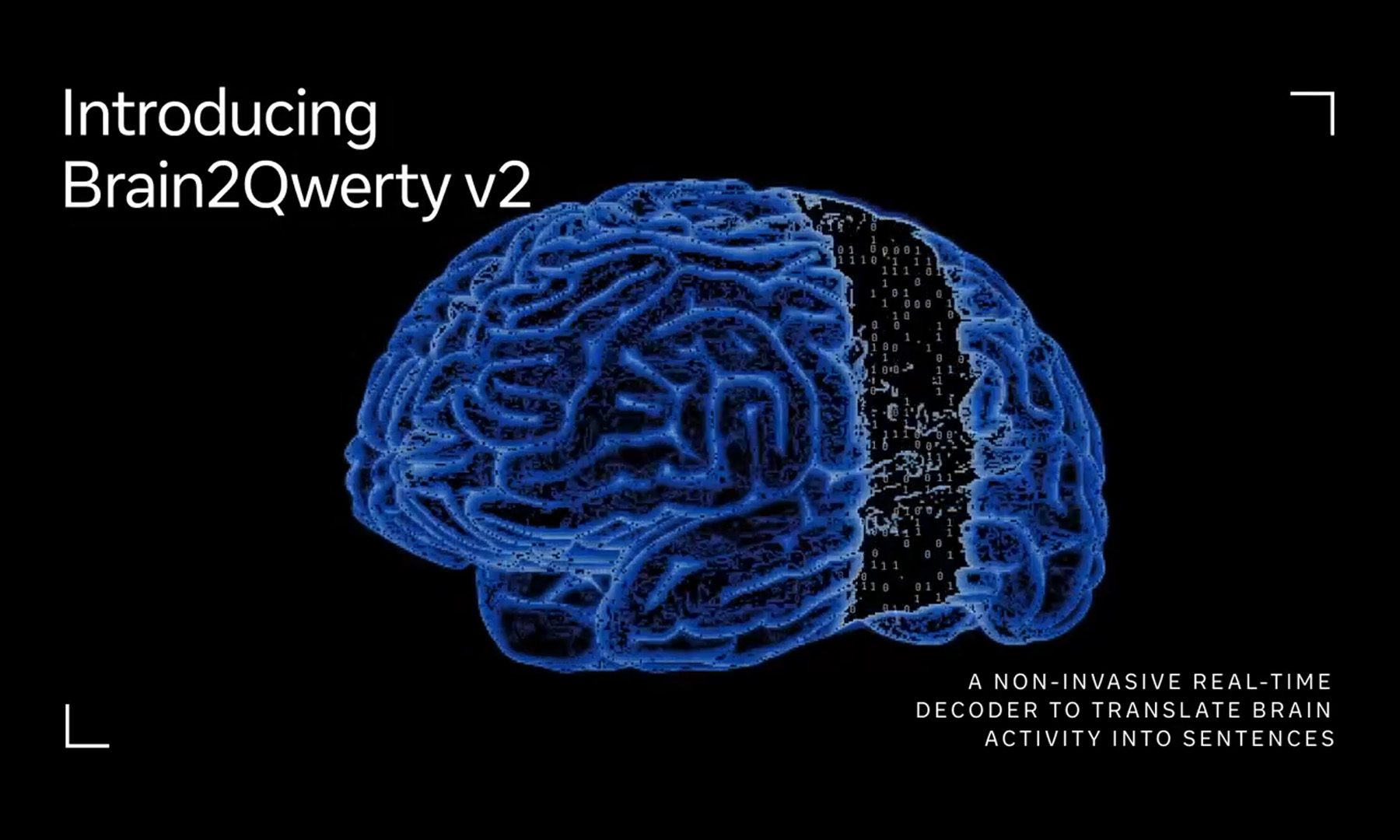
Meta’s Brain2Qwerty v2 turns thoughts into text, and it doesn’t need brain implants
The latest AI model decodes brain signals into coherent sentences using external scanners.
Meta Brain2Qwerty v2 Featured

Artificial intelligence is getting surprisingly good at understanding humans. Now, Meta wants it to understand our brains too. The company has unveiled Brain2Qwerty v2, an upgraded AI system that can translate brain activity into full sentences, all without requiring brain implants or surgery. The goal isn't mind reading for the masses. Instead, it's to help people who have lost the ability to speak communicate again.

How a Brain-powered keyboard works

Read more