  1. Home
  2. Phones
  3. News

WhatsApp clears that usernames won’t leave you open to scammers

New safeguards include username keys, rate limits, and anti-impersonation protections.

Add as a preferred source on Google
Whatsapp Usernames Whatsapp Username
Whatsapp

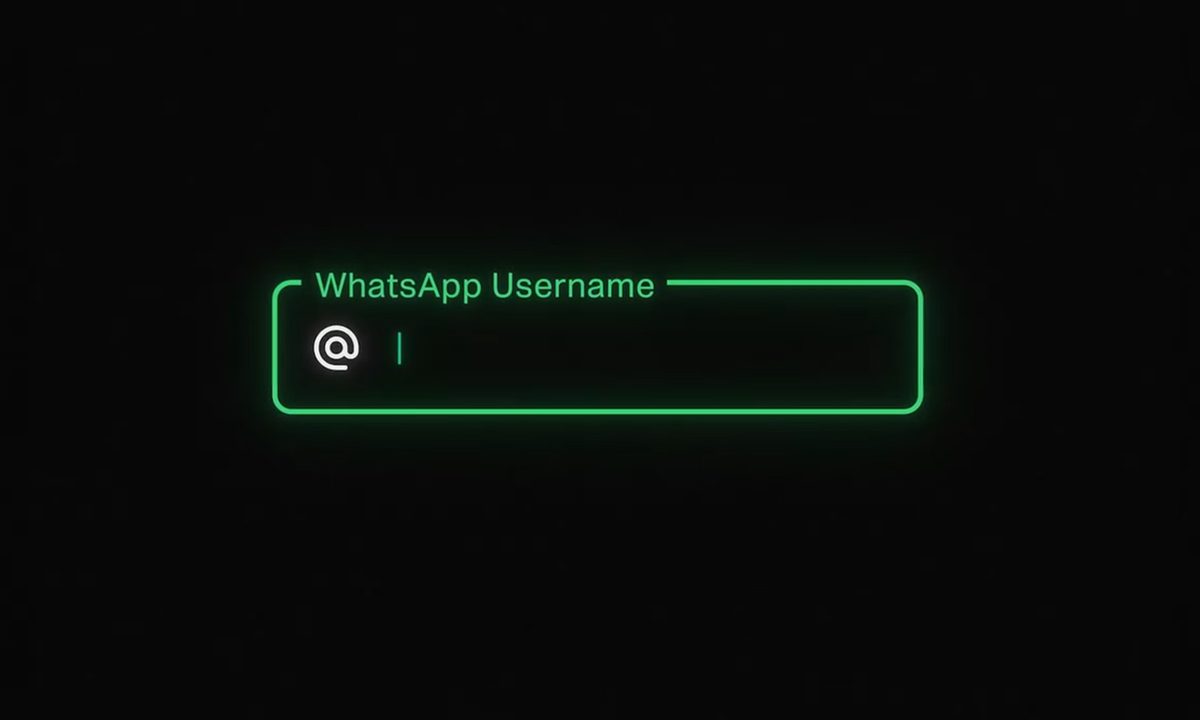
WhatsApp’s long-awaited username feature is now officially rolling out to users. But almost as soon as it was announced, many began asking an obvious question: won’t this make it easier for scammers to message strangers? Now, WhatsApp has stepped in to explain why it believes that won’t happen.

WhatsApp says usernames aren’t as open as Telegram’s

Much of the concern stems from comparisons with Telegram, where anyone can search for a public username and immediately start a conversation. Several users on X argued that hiding phone numbers improves privacy but also removes a layer of accountability that helped identify suspicious contacts.

usernames are our latest step to give our users more private options for how they show up in the app. it’s entirely optional and most users will choose unique usernames, but we’re mindful that some people want consistency in how they show up across apps.

there’s no directory to…

— WhatsApp (@WhatsApp) June 30, 2026

As the rollout began, WhatsApp responded directly to users on X, explaining that its implementation works very differently. For starters, there won’t be a public directory or username suggestions to help people discover accounts. Instead, someone will need to know your exact username before they can even try to contact you.

we’ve built multiple layers of defense against scams into usernames: the optional username key limits who can reach you with your username and unlike Telegram, they need to know the exact username to message you. we will rate limit how many new people any account can contact,…

— WhatsApp (@WhatsApp) June 30, 2026

The company also revealed another privacy layer called a username key. If users choose to enable it, nobody can message them using their username unless they also know that key, adding an extra hurdle for unwanted messages. WhatsApp says it has built several anti-abuse measures into usernames from day one. The company will rate-limit how many new people an account can contact, block repeated attempts to guess someone’s username key, and use existing systems to detect and remove impersonation or other suspicious activity.

Recommended Videos

Furthermore, even if someone does message you, WhatsApp says the app will continue to provide useful context, including whether the sender is a new account, already in your contacts, shares a mutual group with you, or is based in another country. Users will still have the same options to block, report, or ignore unwanted conversations.

Privacy comes with new responsibilities

The funny thing is that WhatsApp’s biggest challenge isn’t the technology; it’s changing user habits. On most social platforms, people try to grab a username that matches their real name. While WhatsApp emphasizes there won’t be a public directory to browse, using your real name could still make your handle easier to guess. If privacy is the ultimate goal, choosing a more unique username may be the smarter move.
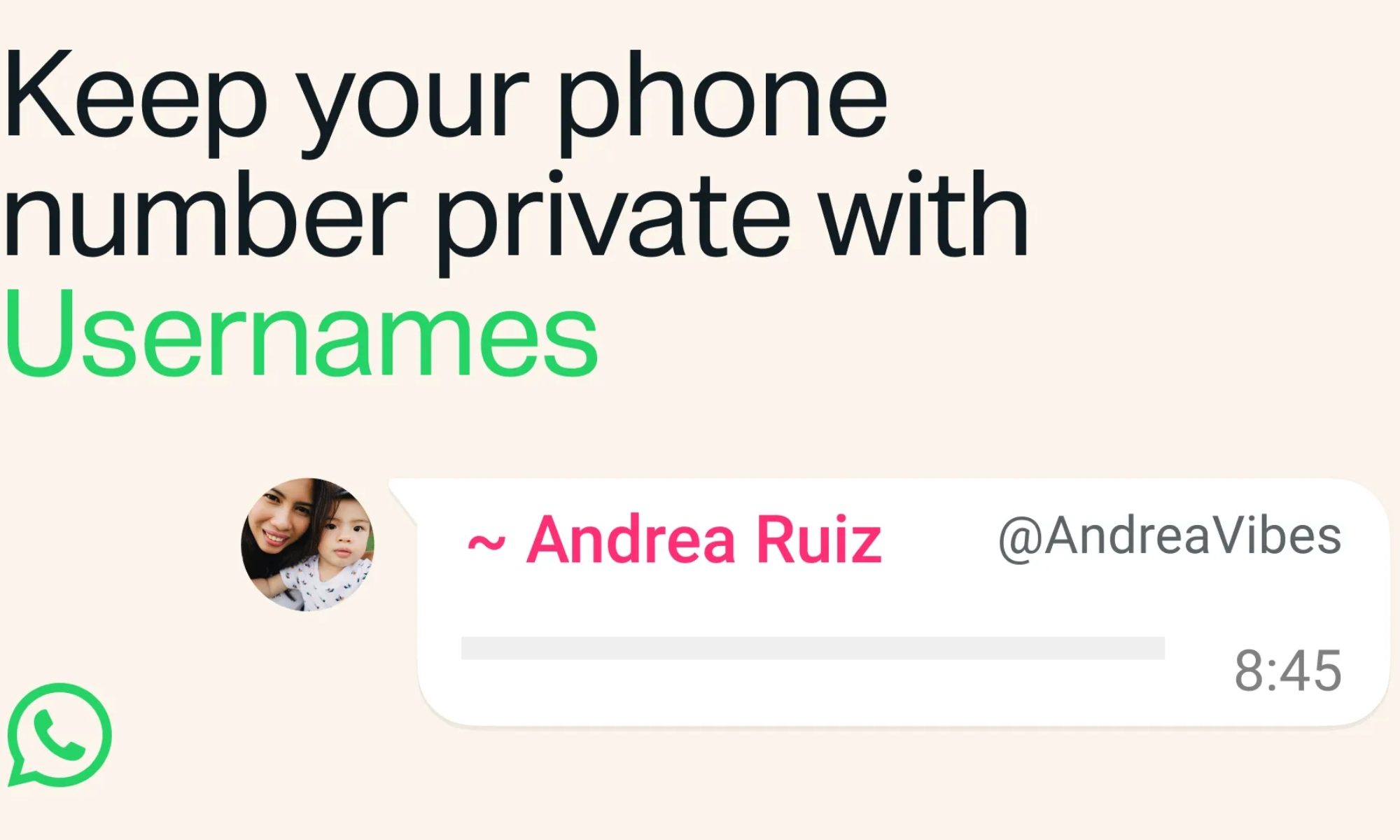
As usernames gradually roll out to more users, it’ll become clearer how well these protections hold up in the real world. But one thing is already clear: WhatsApp knew the scam concerns were coming, and it has designed usernames to prioritize privacy over discoverability, making them far less open than many users initially feared.

Varun Mirchandani
Varun is an experienced technology journalist and editor with over eight years in consumer tech media. His work spans…
Forget Apple’s AirTag, Motorola’s new Android tracker lasts over 500 days and costs less too
Moto Tag 2 could be the AirTag Android users actually buy
Moto Tag 2 with car keys

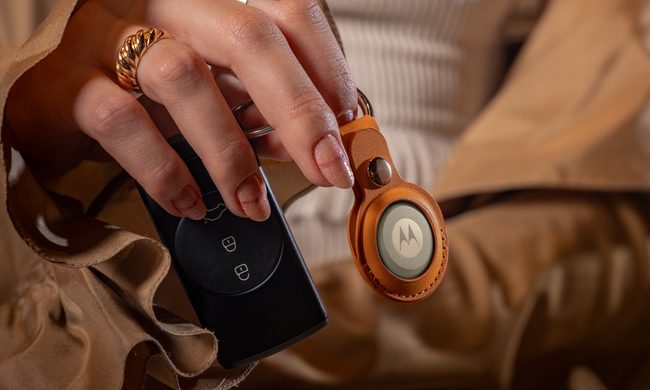
Motorola is finally bringing out its second-generation Android smart tracker. While Apple's AirTag has been hogging the limelight, the Moto Tag 2 is the new rival in town, arriving in North America starting June 30. It brings UWB (Ultra Wideband) tracking support, Bluetooth Channel Sounding, and Google Find Hub support in a compact tracker built for keys, bags, luggage, camera gear, and anything else people keep misplacing.

The real headline, though, is the battery life. Motorola claims that this is its longest-lasting smart tracker yet, with more than 500 days of battery life from a replaceable CR2032 battery.

Read more
Motorola’s next Edge phone could make Android’s MagSafe moment cheaper than Google did
Motorola Edge 70 Max is next in line with magnetic charging
Motorola Edge 70 Max with a magnetic charger

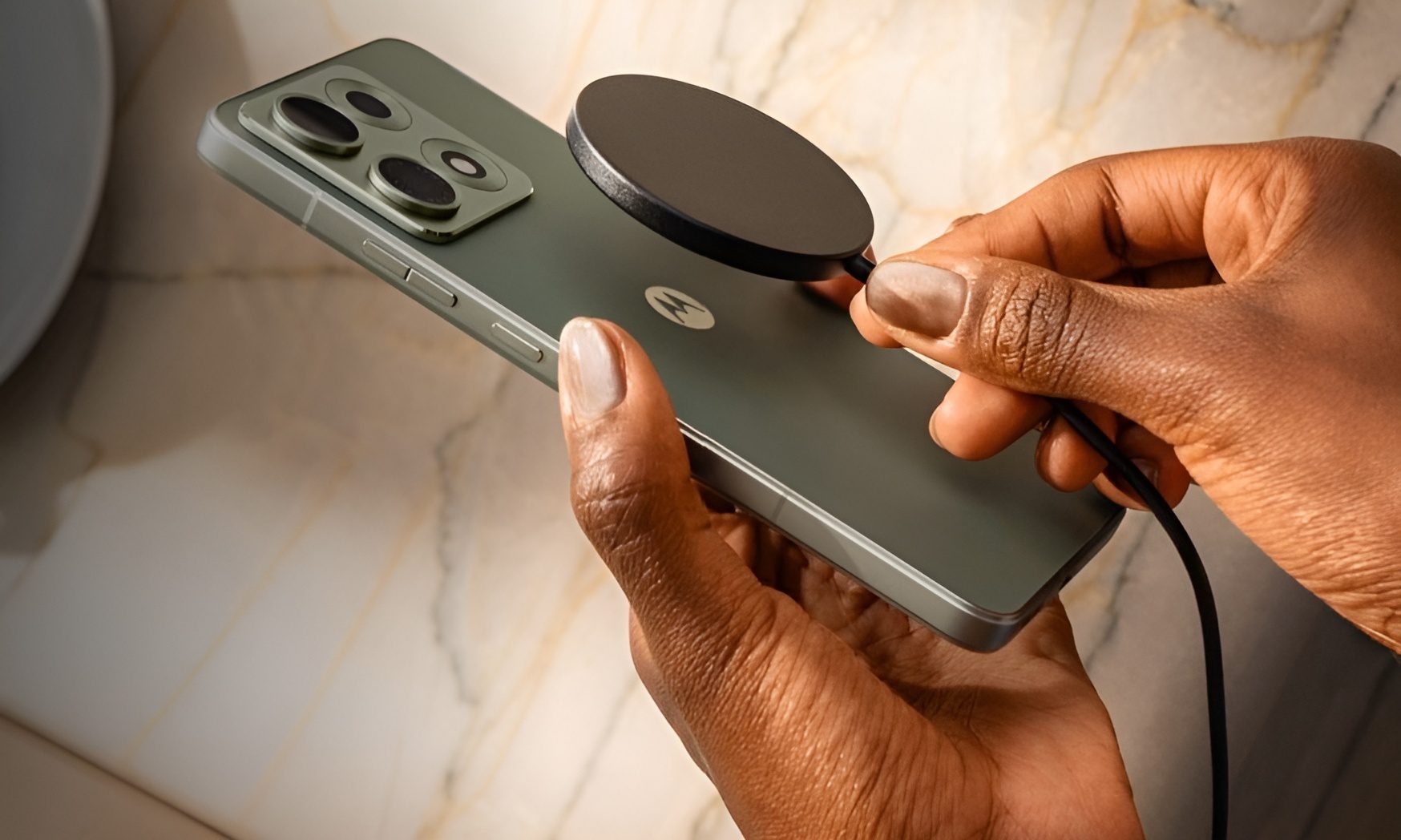
Motorola could be adopting Qi2 wireless charging technology, joining Google Pixels and Apple iPhones for magnetic charging support. While Android's Qi2 rollout has been oddly frustrating, the company's upcoming Edge phone could be the first to bring it to a non-flagship model.

A Wireless Power Consortium listing has revealed the Motorola Edge 70 Max, while another leak has revealed more details regarding its specs and features. We also get a look at some of the leaked promo material that shows magnetic Qi2 in action.

Read more
Google starts testing Gmail Live, its new voice search tool for your inbox
The feature lets you ask questions about your inbox with your voice and is set to roll out later this summer.
Gmail Live screenshot on gradient background

At I/O this year, Google showcased Gmail Live, a new Gemini-powered feature that lets users search their inbox using their voice instead of typing. The feature has now moved into testing, with 9to5Google reporting that it's rolling out to a small group of Android and iOS users this week.

How Gmail Live works

Read more