Flipper Devices has built a reputation among hackers and hardware enthusiasts with the Flipper Zero, a pocket-sized gadget capable of interacting with RFID, NFC, Bluetooth, and other wireless protocols. Now, the London-based company is taking a very different approach.
Its latest product, the Busy Bar, is a desktop productivity display designed to help users stay focused, signal their availability, and automate parts of their workflow. After being teased last year, the device is finally going on sale on July 14. While the concept is genuinely clever, its starting price of up to $249 may make many buyers think twice.
A smart desk companion with a premium price tag
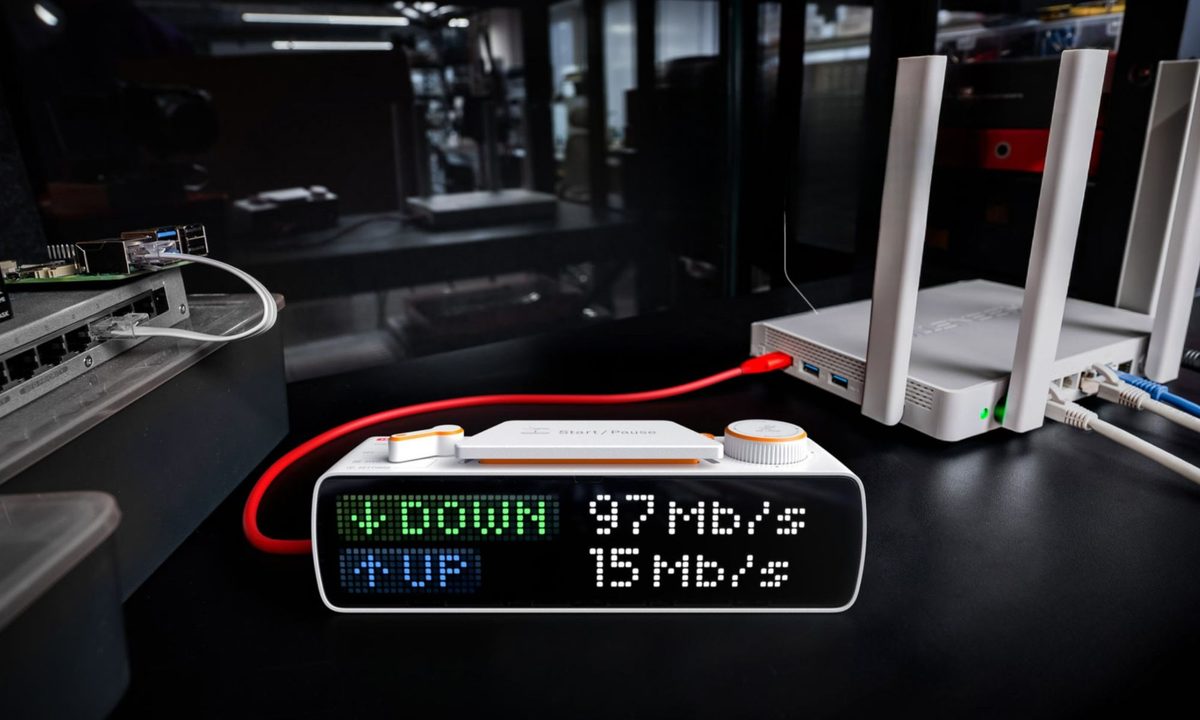
At first glance, the Busy Bar resembles a retro digital desk clock. On the front is a 72×16 LED matrix display capable of showing 16 million colours with up to 400 nits of brightness, along with an ambient light sensor that automatically adjusts visibility.
The display can show custom messages such as “Busy,” “On a Call,” or “Do Not Disturb,” alongside timers, widgets, and animations. It also supports Pomodoro-style focus sessions, making it useful for remote workers and students trying to minimise distractions.

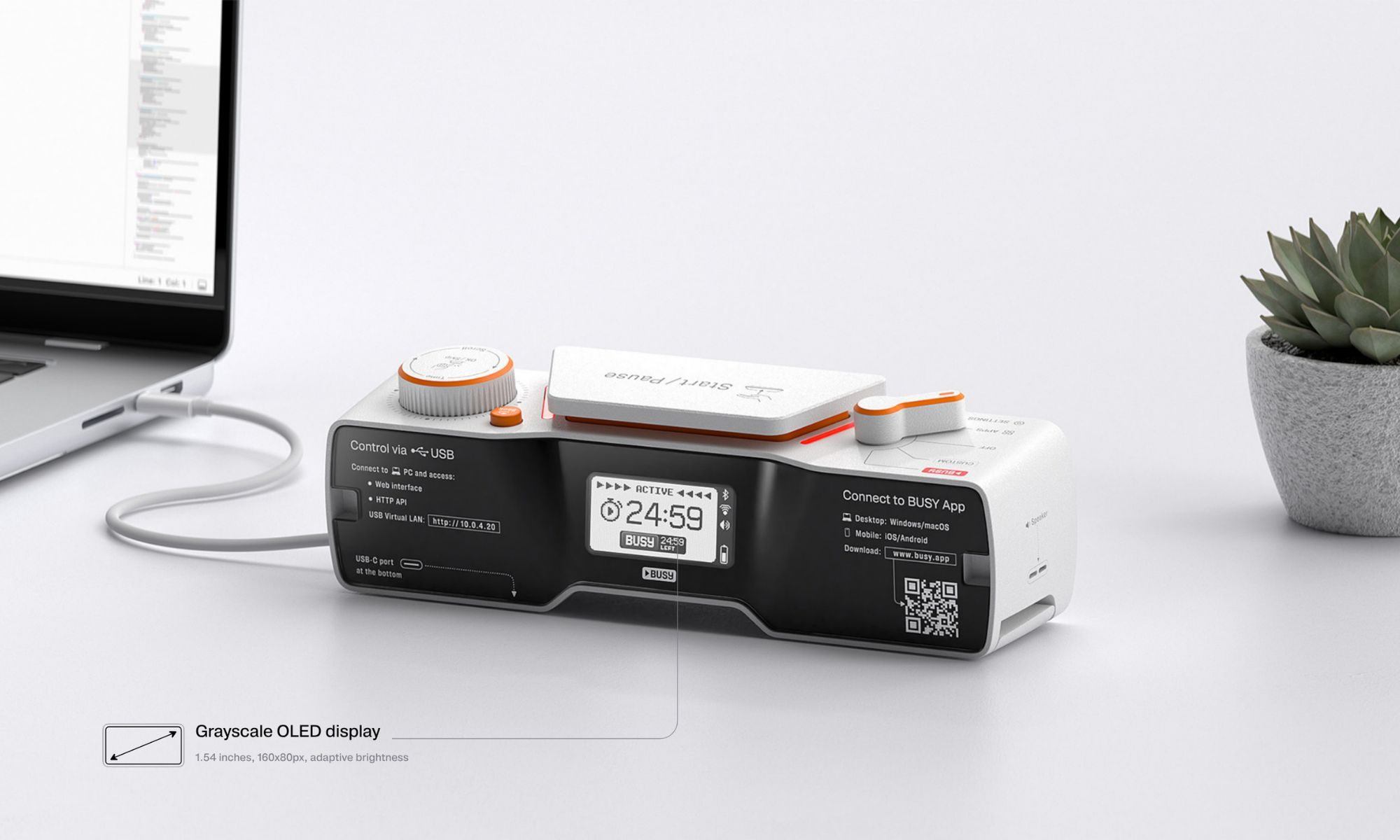
The hardware itself is surprisingly feature-rich. It includes Wi-Fi, Bluetooth, USB connectivity, a 3,250mAh battery that lasts up to 8 hours of active use or 2 weeks on standby, and fast charging that takes about an hour with a 15W adapter. There’s even a secondary monochrome display on the back to show battery, connectivity, and timer information, plus a built-in speaker for alerts and notifications.
The Busy Bar also integrates with iOS, Android, and macOS, with Windows support planned. Users can block distracting apps while focus timers are running, automatically display “On Call” status during meetings on macOS, and silence notifications when recording or streaming.
Thanks to Matter certification, the device can also trigger smart home automations across Apple Home, Google Home, and Amazon Alexa ecosystems. Developers can go even further using Flipper’s open firmware, HTTP API, MQTT support, and official Python and TypeScript libraries. All of that makes the Busy Bar far more than a glorified LED sign.
The problem is its pricing
Early adopters joining the waitlist can buy it for $179. After that, the first 3,000 buyers will pay $199 before the retail price climbs to $249.
That places the Busy Bar in the same price bracket as tablets, smart displays, and even entry-level smartphones that can perform many of the same productivity tasks.
The Busy Bar is undeniably one of the more interesting productivity gadgets announced this year. Its blend of hardware controls, smart home integration, and developer-friendly software makes it genuinely appealing for remote workers and tech enthusiasts.
Whether that experience is worth $249 is another question entirely. The idea is easy to like. Convincing mainstream buyers to spend that much on a dedicated productivity display may prove considerably harder.