  1. Home
  2. Space
  3. News

Scientists warn Elon Musk’s orbital data centers could blind Earth’s biggest telescopes

A new ESO study suggests millions of satellites could make parts of the night sky effectively unusable for astronomy.

Add as a preferred source on Google
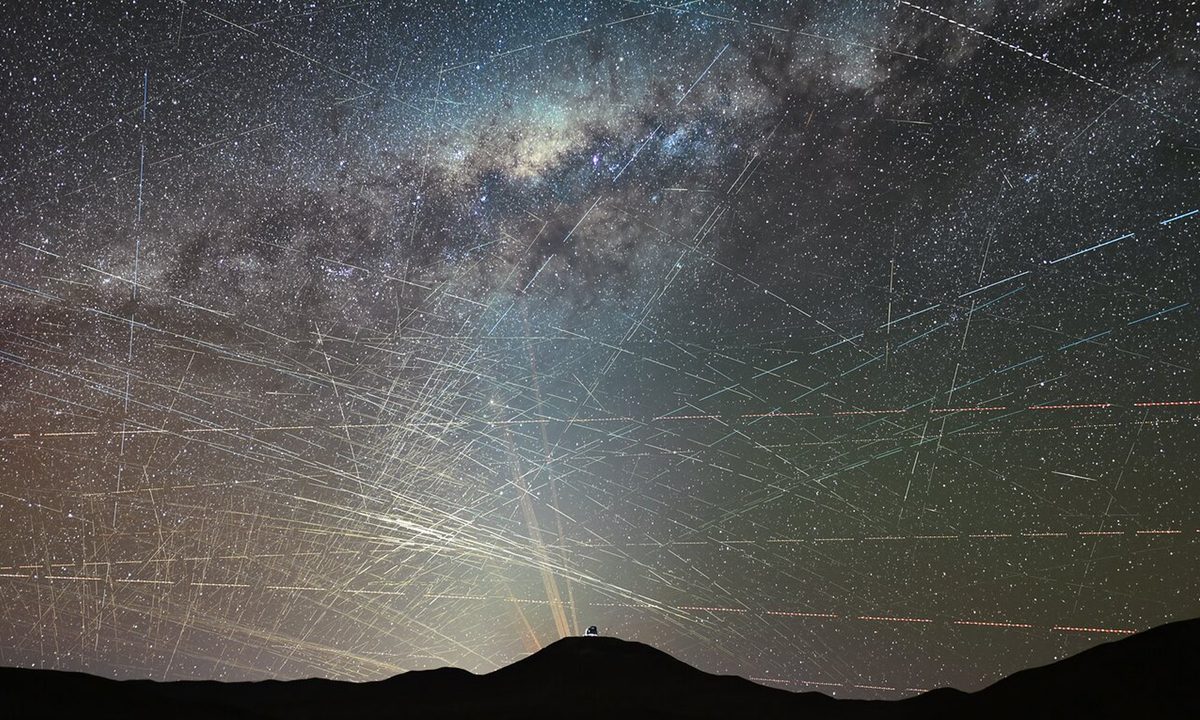
One hour of satellites over the northern Atacama Desert in Chile (October 2025)
One hour of satellites over the northern Atacama Desert in Chile (October 2025) F. Kamphues / M. Kornmesser / ESO

The race to blanket Earth with satellite internet has unlocked faster connectivity for millions. But according to the European Southern Observatory (ESO), it could also make one of humanity’s oldest hobbies, and one of its most important sciences, a whole lot harder. The organization warns that the rapid growth of satellite mega-constellations could severely disrupt observations made by some of the world’s most powerful telescopes.

Astronomers say the night sky is reaching its limit

According to the ESO, the number of satellites orbiting Earth has exploded in recent years. Starlink alone now accounts for roughly 10,400 satellites, while before 2022, humanity had launched only around 14,450 satellites into space in total. With companies planning even larger constellations, including SpaceX founder Elon Musk’s long-term vision of up to one million orbital “data center” satellites, astronomers fear the problem is only beginning.
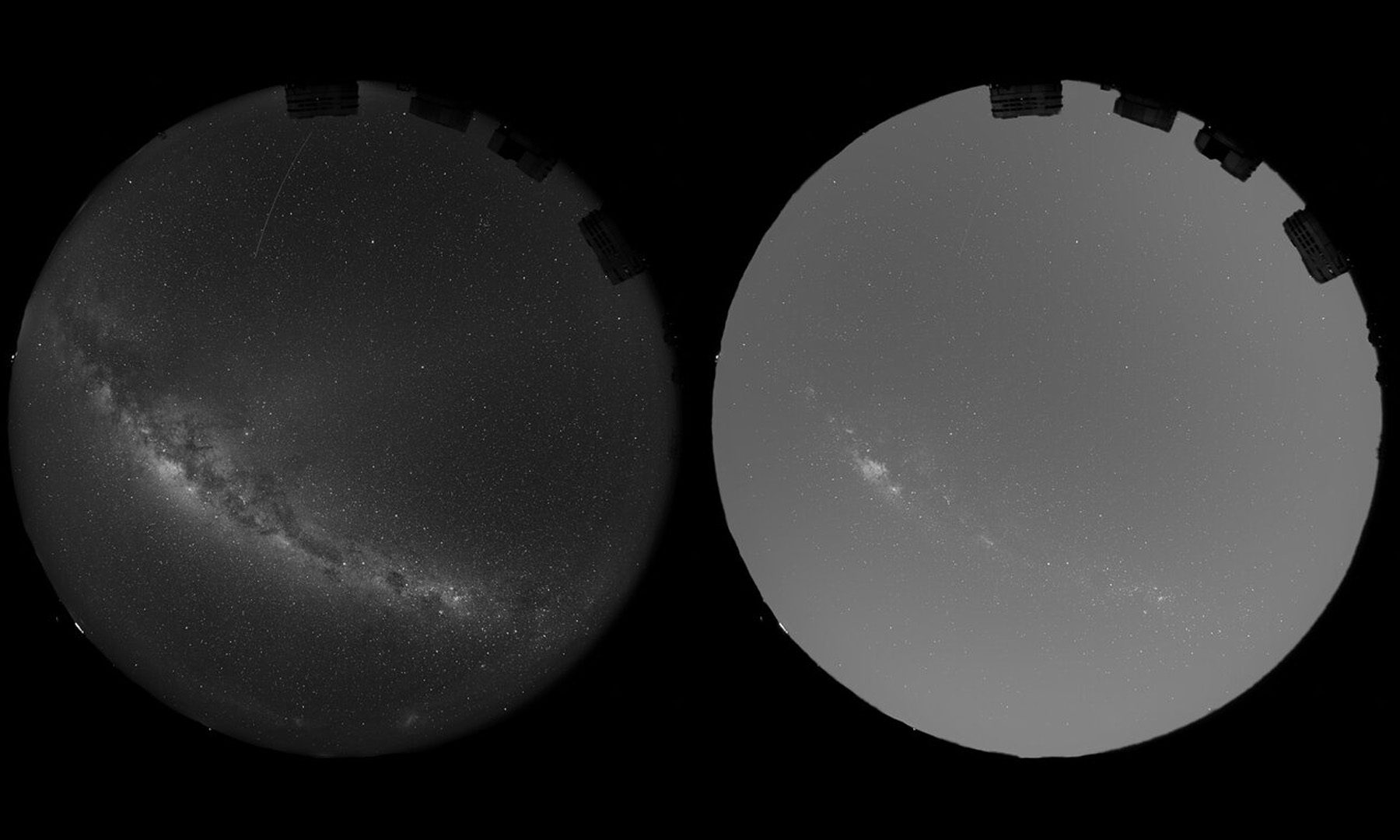
To understand the impact, ESO researchers simulated what increasingly crowded skies would mean for ground-based observatories. Their findings weren’t encouraging. Even if future satellites are dim enough to remain invisible to the naked eye, Europe’s Very Large Telescope (VLT) in Chile could lose 28% of its observable field of view. Slightly brighter satellites could have an even greater impact on the Vera C. Rubin Observatory, potentially rendering many of its images unusable for several hours every night.

The solution isn’t fewer launches, though

Importantly, the ESO isn’t calling for an end to satellite internet. Instead, it’s proposing an international cap of 100,000 faint satellites in low Earth orbit, arguing that such a limit would help balance global connectivity with the long-term needs of astronomy. Researchers also stress that satellite brightness matters just as much as the number of spacecraft, since brighter satellites scatter more sunlight and interfere with telescope images.
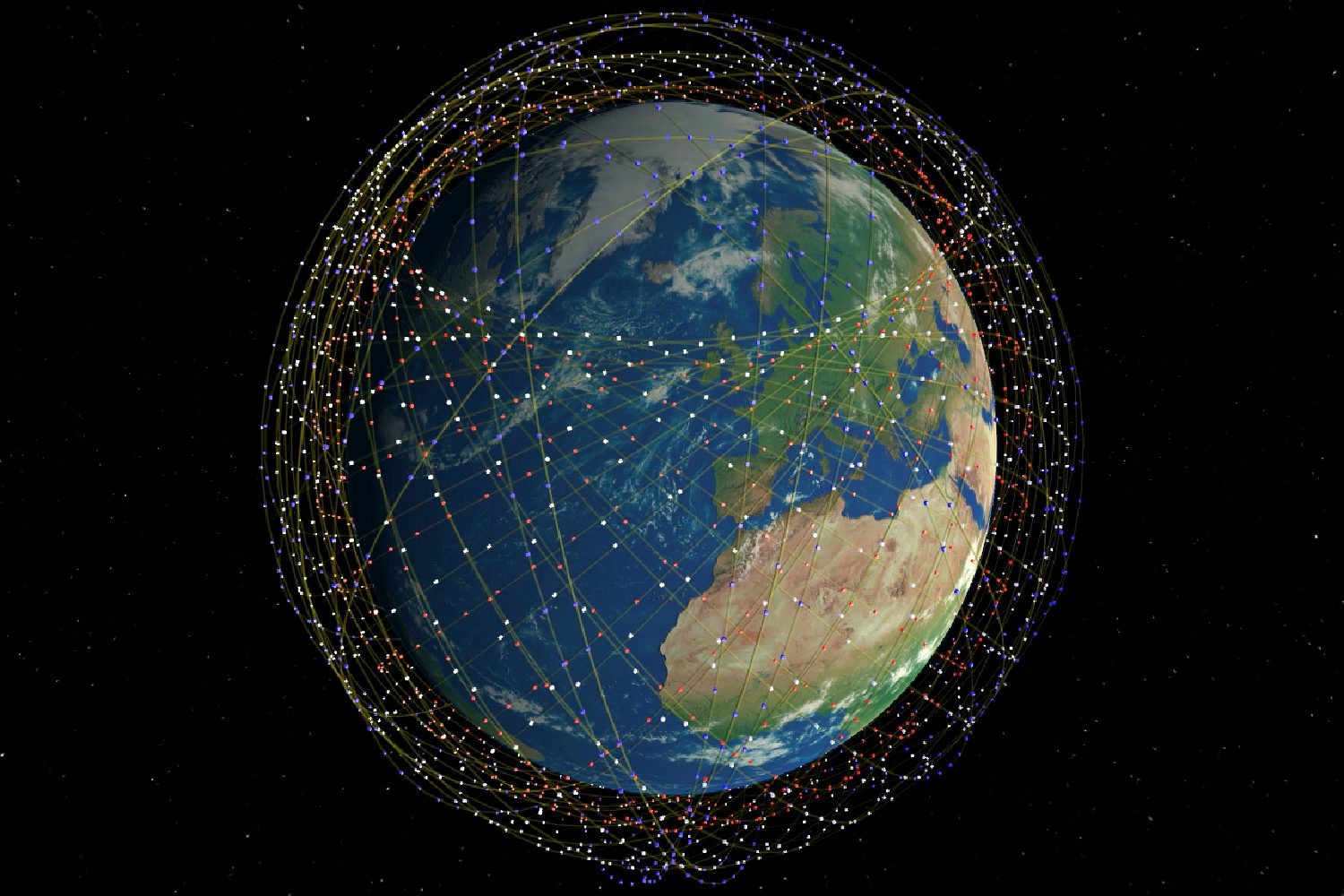
The bigger takeaway is that this debate extends well beyond any one company. Starlink simply happens to be the largest constellation today, making it the easiest example. There’s also Amazon Leo, which is expected to launch later this year. As more companies pursue massive satellite networks, the challenge will be finding a way to expand internet access without turning Earth’s night sky into one giant obstacle course for astronomers.

Varun Mirchandani
Varun is an experienced technology journalist and editor with over eight years in consumer tech media. His work spans…
Amazon’s Starlink rival just crossed a major milestone, but don’t expect perfect internet just yet
Amazon finally showed up to the space internet party
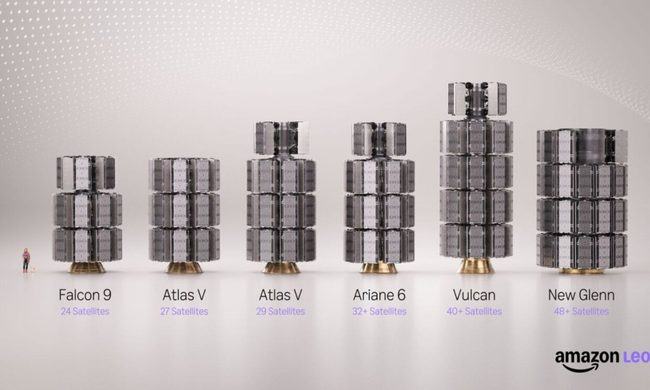
Amazon Leo satellite layout across all launch vehicles

Amazon has taken a significant step toward launching its long-awaited satellite internet service. Following its latest rocket launch, the company now has 396 Project Kuiper satellites in low-Earth orbit, enough to begin offering continuous service across select regions. The milestone keeps Amazon on track for its previously announced goal of launching commercial service by mid-2026.

https://twitter.com/Weber44Chris/status/2072575499461963938?ref_src=twsrc%5Etfw%7Ctwcamp%5Etweetembed%7Ctwterm%5E2072575499461963938%7Ctwgr%5Ed727a1b853cbf519585e7bf2655943afb2f91bb8%7Ctwcon%5Es1_&ref_url=https%3A%2F%2Fwww.theverge.com%2Fscience%2F960563%2Famazon-leo-service-tipping-point

Read more
Amazon’s Starlink rival is set to launch satellite internet later this year
After launching nearly 400 satellites, Amazon says its Leo broadband service will go live later this year.
Atlas V launches 29 Amazon Leo satellites from Cape Canaveral, Florida

Amazon's long-awaited answer to SpaceX's Starlink is finally nearing liftoff. According to an exclusive report from Reuters, the company plans to begin offering its Leo satellite internet service later this year, after its latest rocket launch pushed the constellation to 394 satellites in orbit.

The pieces are finally falling into place for Project Kuiper

Read more
NASA is investing $590 million in private contractors to build humanity’s first Moon outpost
NASA is counting on private companies to land its Moon Base dream.
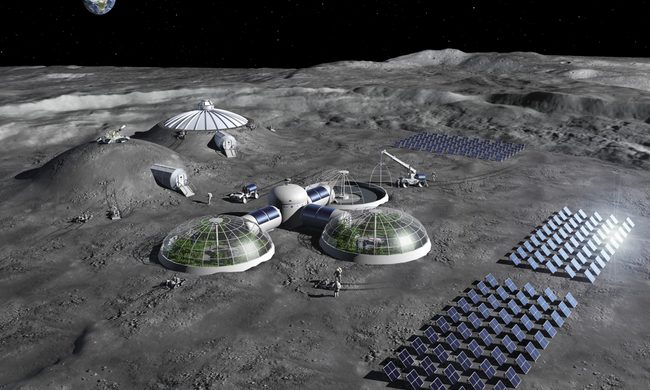
Artist impression of a Moon Base concept, with solar arrays for energy generation, greenhouses for food production, and habitats shielded with regolith.

Building a permanent base on the Moon sounds like science fiction, but NASA is making it feel a lot more real. The agency just handed $590 million in contracts to three private companies for four uncrewed lunar lander missions launching in late 2028.

These missions are part of Phase 1 of NASA's broader $30 billion Moon Base program, which needs to deliver landers, rovers, and scientific cargo up there before astronauts eventually move in. These efforts are closely tied NASA's Artemis program, which sent humans on a lunar flyby in April for the first time since the Apollo era.

Read more