  1. Home
  2. Wearables
  3. News

Carely’s new wearable watches over aging parents so you don’t have to

Because "just checking in" shouldn't be your only safety net.

Add as a preferred source on Google
Carely feature image
Carely

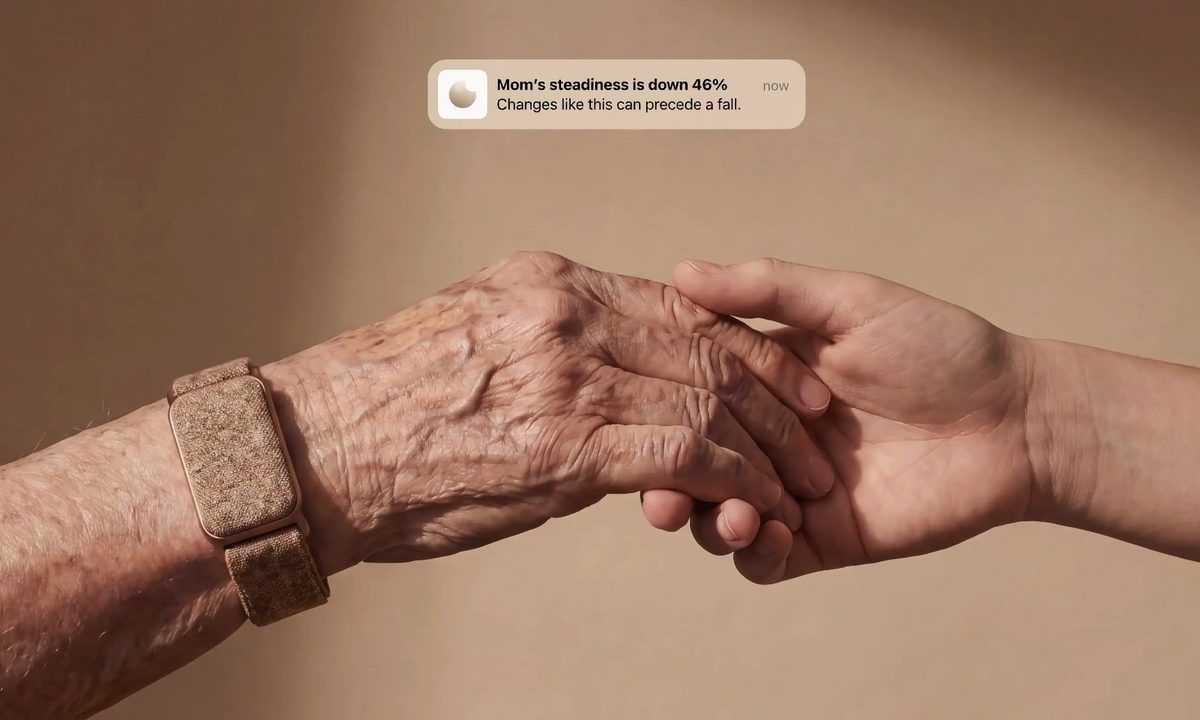
Checking in on aging parents usually means playing a proactive game. Are they okay? Did they sleep well? Would you even know if something was wrong before it became serious? You have to be constantly vigilant and check in with your elders. Carely wants to remove that guesswork entirely, and it does so without a screen, an app your parents need to open, or a single daily check-in call.

JUST IN: @meetcarely is turning elder care into passive alerts instead of constant check-ins.

It’s a screenless wearable that learns normal routines, tracks key health signals, and alerts the family when something seems off.

– detects falls, SOS button presses, and safe zone… pic.twitter.com/ebbba8oP57

— Ritwik Pavan (@ritwikpavan) July 6, 2026

What does Carely track?

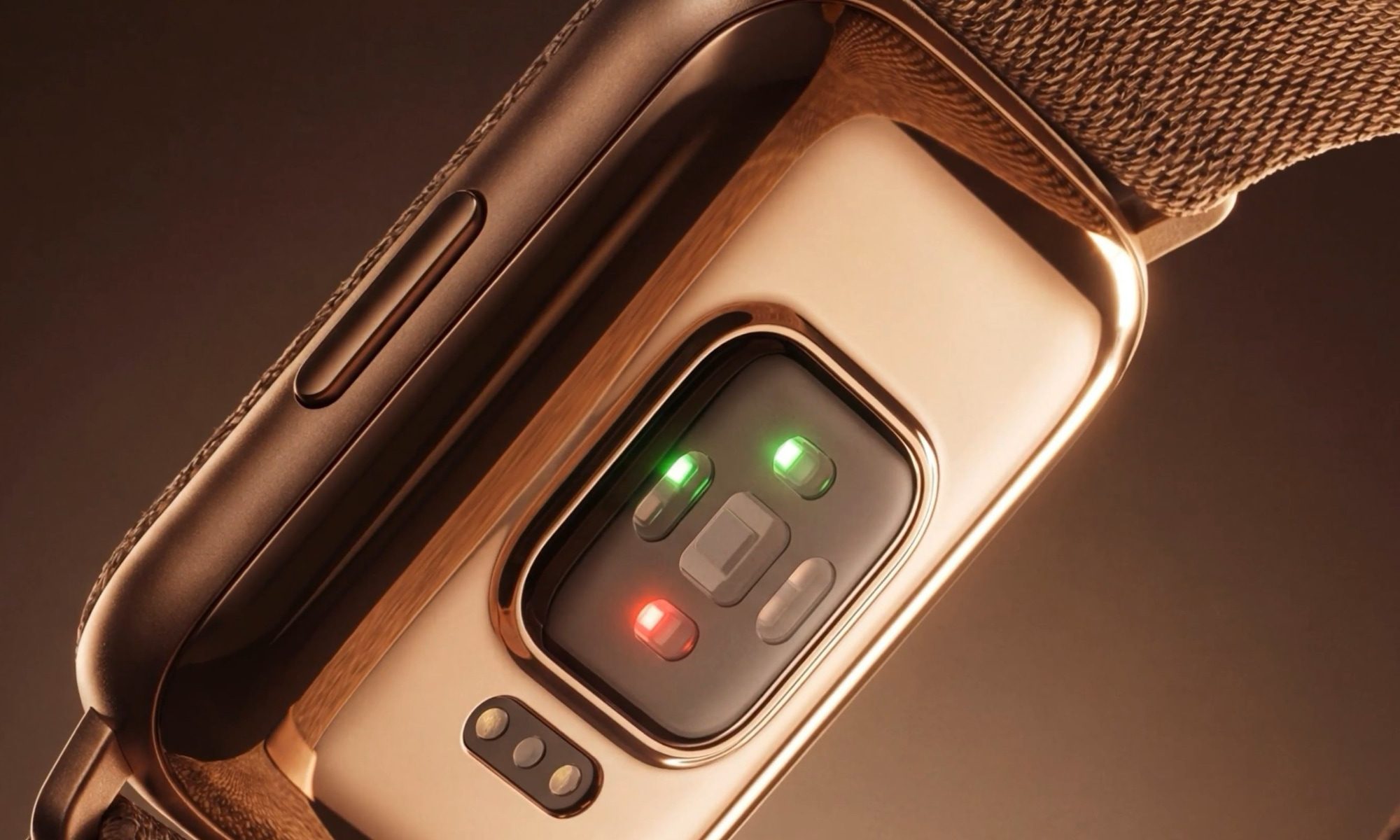
The wearable packs six biometric sensors that monitor heart rate, blood oxygen saturation, skin temperature, and motion, and uses these sensors to collect health data on your parents. The device uses this data to study your parent’s routine over time, learning their usual sleep patterns, activity levels, and vital signs. Once it establishes your parent’s baseline health, it can flag the moment something changes, often before the person even notices.
How does it alert your family when something’s wrong?

Carely doesn’t wait around for a scheduled check-in. It keeps watch for falls, SOS button presses, and even alerts you if your parent wanders outside a safe zone you’ve set up. The moment it detects something deviating from the pattern, such as an irregular heart rhythm or a decrease in steadiness, your family gets notified directly, giving everyone the same information at the same time.
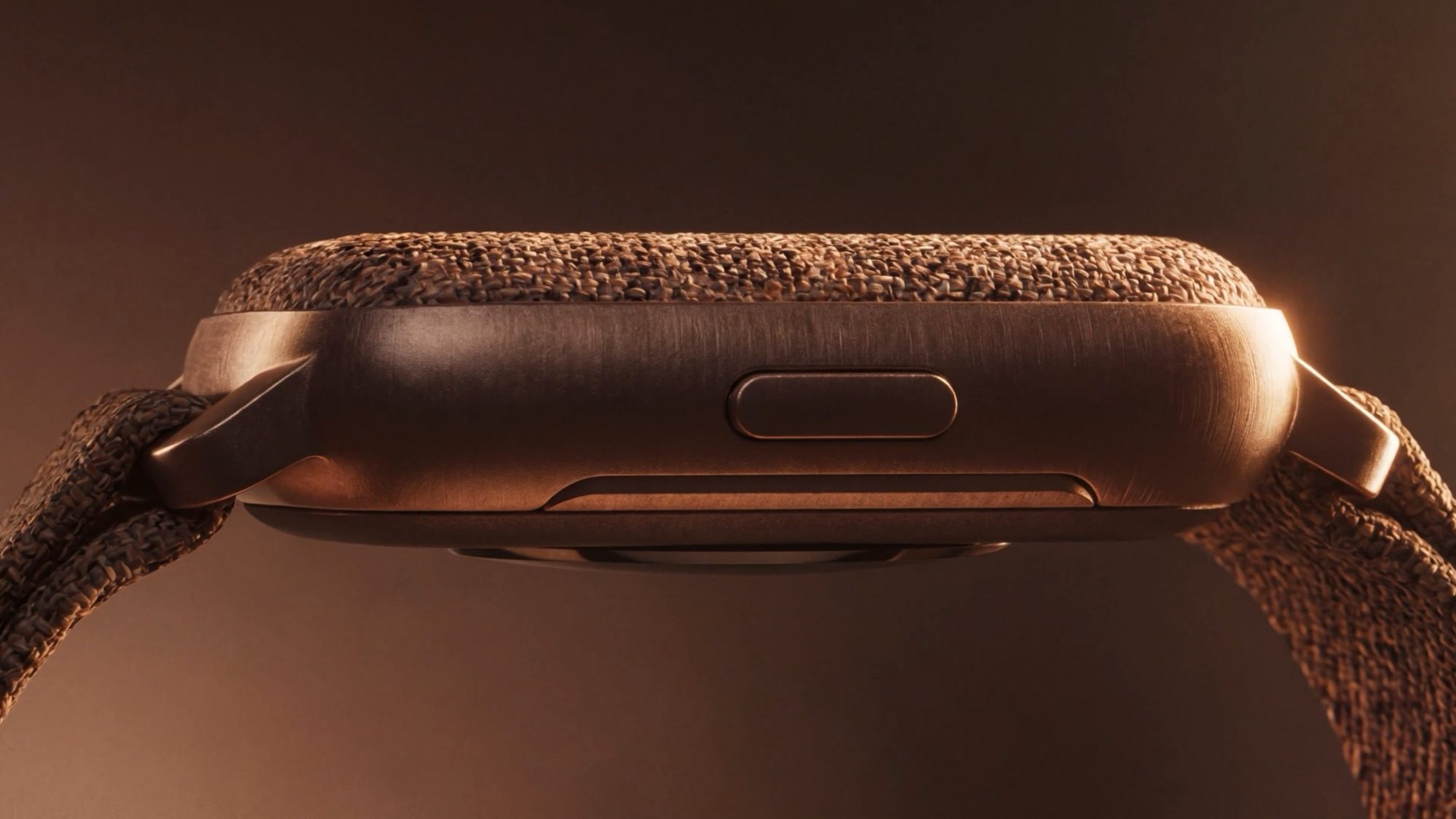
What’s genuinely convenient here is that Carely doesn’t lean on a smartphone, Wi-Fi, or Bluetooth to function. It works independently, which means fewer things that can go wrong and fewer setup headaches for parents who aren’t exactly tech-savvy. Battery life is rated at up to 10 days, and it charges right on the wrist.
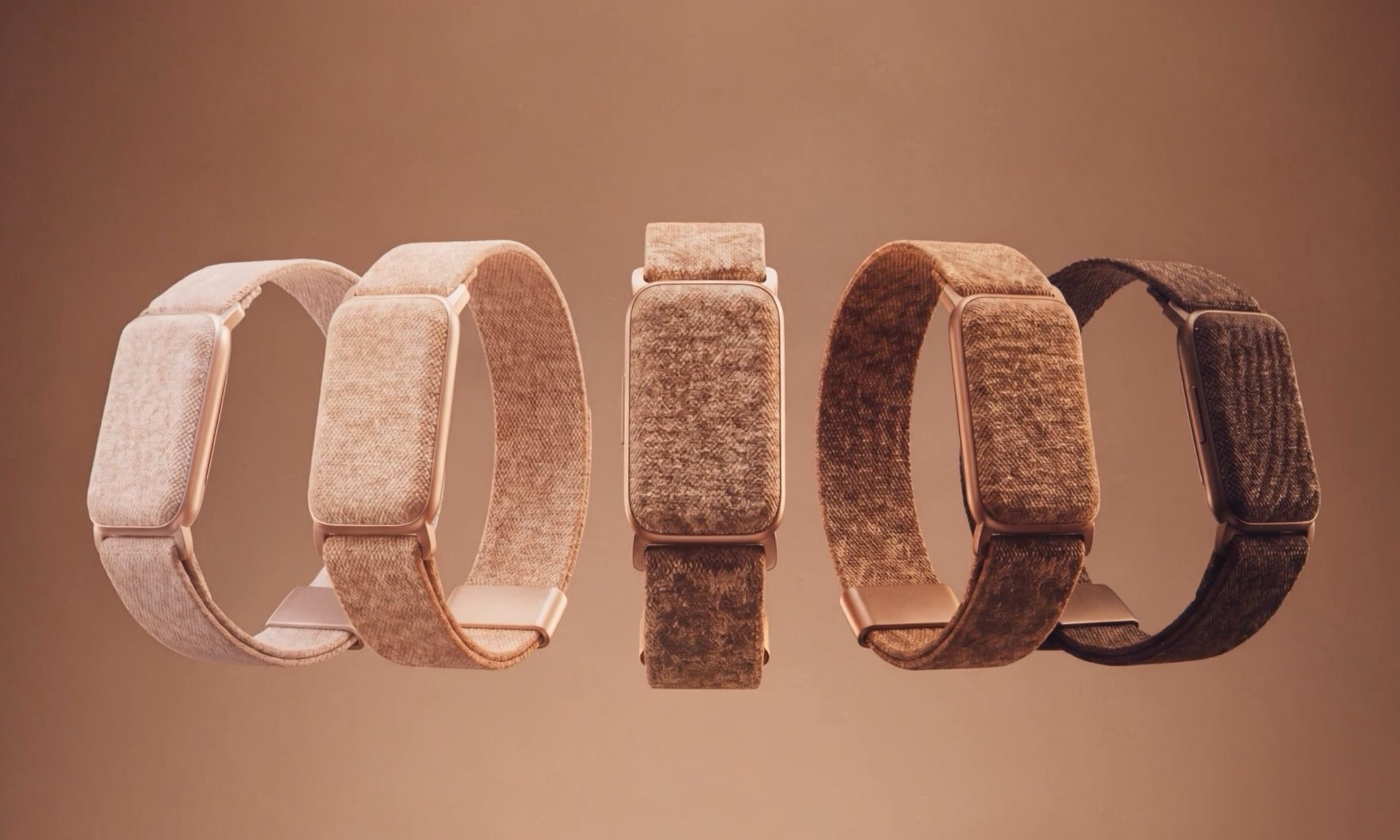
That said, the device is still on the waitlist, and we would love additional information about how it works without a smartphone or charges on the wrist. If these features work as advertised, this might be the best device to keep tabs on your parents’ health.

Rachit Agarwal
Rachit is a seasoned tech journalist with over ten years of experience covering the consumer technology landscape.
It’s not just phones. Samsung’s upcoming Galaxy Watches are getting pricier, too.
Your next Galaxy Watch may be the next victim of Samsung's price hike spree
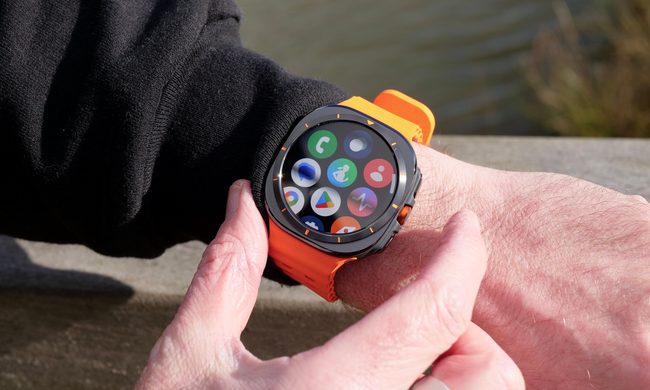
A person wearing the Samsung Galaxy Watch Ultra.

Samsung’s rumored 2026 hardware lineup is beginning to resemble a coordinated attack on your wallet. Leaks have already suggested that some of its upcoming Galaxy Z foldables could get more expensive. Now, the Galaxy Watch lineup may be joining the price-hike party.

According to WinFuture, Samsung could raise European prices across the entire Galaxy Watch 9 lineup and the upcoming Galaxy Watch Ultra 2. The increases reportedly fall between €30 and €50, depending on the model. The cheapest Galaxy Watch 9 may start at €409 for the 40mm Bluetooth version. Add LTE, and the price reportedly climbs to €459. The larger 44mm model could cost €439 with Bluetooth or €489 with LTE. It gets worse with the Galaxy Watch Ultra 2, which may now land at €749, placing another €50 between buyers and Samsung’s most capable smartwatch.

Read more
Samsung is using Galaxy smartwatches to save workers from heat-related health woes
Your next workplace safety monitor could be a Galaxy Watchai
Samsung Galaxy Watch Thermal Stress Management System

Samsung is pushing a new feature out (after replacing one recently) for its Galaxy Watches to help workers who use its wearables. A typical smartwatch usually warns us if we've been sitting too long, but the Galaxy Watches will now warn you about dangerous heat stress.

The company has upgraded its business-focused Heat Stress Management System, developed alongside South Korea’s Ministry of Employment and Labor. It uses LTE Galaxy Watches and Samsung’s SmartThings Pro platform to monitor outdoor workers during extreme summer heat.

Read more
You can now walk through space and gaze into a black hole at this VR exhibit
Smithsonian Starstruck lets you drift past dying stars and see the origin point of the universe for as little as $18 a person.
Smithsonian Starstruck featured

Most planetarium shows ask you to sit still and look up. The Smithsonian's new VR exhibit takes a different approach, letting visitors walk through the vast expanse of the universe, drifting past stars, planets, and a black hole to get a physical sense of its true scale.

A $29 ticket to the edge of the galaxy

Read more