We live in a culture obsessed with numbers: Number of steps, number of calories burned, and number of hours slept.
Despite this interest and drive to improve our overall health, do we really understand how sleep tracking works? And are we using these trackers accurately?
I sat down with Fitbit’s Dr. Conor Heneghan and Nest’s Dr. Logan Schneider to answer these questions.
How do sleep trackers measure sleep?
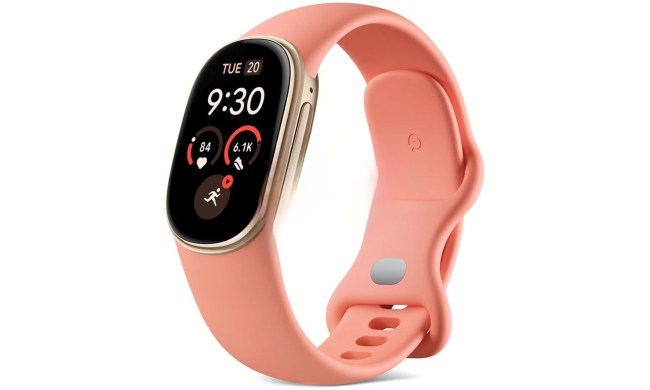
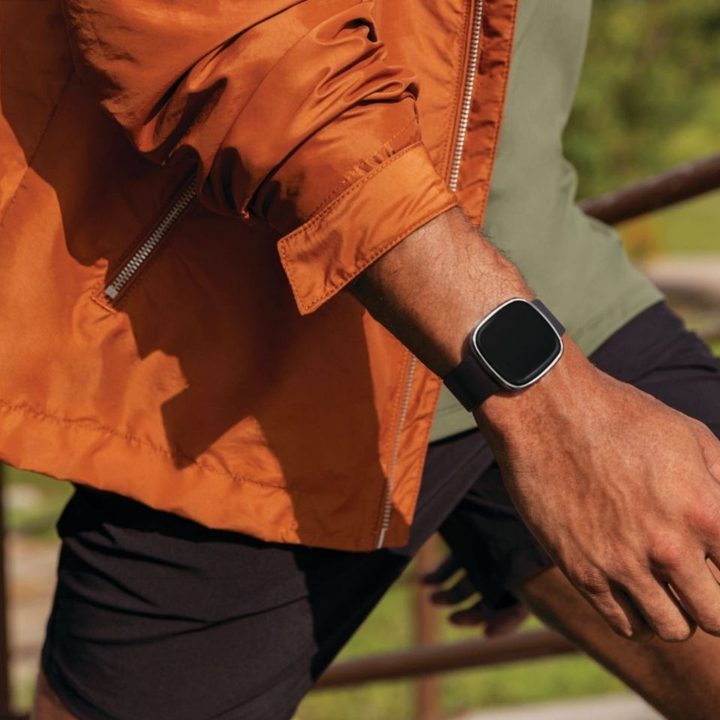
Sleep trackers come in a variety of forms: Smart beds, wearables, and even the Nest Hub’s Sleep Sensing feature. Despite this variety, most operate through a combination of similar features: An accelerometer to track movement, heart rate sensors to track heartbeats, and sometimes temperature sensors.
Some wearable devices like the Fitbit are able to track each individual heartbeat. This is a useful indicator of sleep phases, as your heart rate tends to drop to the lower end of your resting range while you sleep — although it can fluctuate greatly during REM sleep depending on what you’re dreaming about. A nightmare might spike your heart rate, for instance.
All of these factors are then combined through a machine-learning algorithm that analyzes the different variables and gives you your sleep score.
Nest works slightly differently. While physical contact with a sensor is one way to gather data, it’s not the only way. Your body reflects its internal processes on the surface of your skin. Have you ever been anxious and felt your heart pounding in your chest? The heart itself is a muscle, and each beat sends percussive waves through the body. Even when calm, these waves are detectable with the right equipment.

The Nest Hub’s Sleep Sensing feature uses Soli, a miniature radar sensor that can pick up even sub-centimeter movements within the body. This low-frequency radar can track your sleep patterns without touching you — a benefit for people that don’t like wearables.
Soli works even through clothing or thick comforters; there’s no need to be fully exposed to it to reap the benefits. It then takes this data and analyzes it through its own set of algorithms.
How accurate are sleep trackers?
Not every sleep tracker works on the same algorithm, so accuracy can vary. You also have to consider the human factor; even in sleep clinics where you are connected to medical-grade polysomnographic technology, accuracy tops out around 95%. The differences between individual people accounts for the 5% gap, making it impossible to declare a definitive proper way to sleep.
According to Heneghan, Fitbit is roughly 70% to 80% accurate on average. He says that users can wear it slightly higher on their wrist for better accuracy, but the improvement is negligible; Fitbit is designed to detect signals beneath the skin no matter where on the wrist it’s worn. Fitbit was also one of the first wearable companies to begin tracking sleep, and the company has a proven track record of accuracy. Fitbit analyzed over 4 billion total nights of Fitbit sleep data to test its devices. You can dig into the details in this press release.
Schneider said that Nest shows similar results on a phase-by-phase basis, but it’s particularly accurate at detecting the transition from wakefulness to sleep or vic versa, an event known as an epoch. A white paper on the subject reports an 87% accuracy rate for sleep-wake detection for Nest’s detection system.
Bear in mind that sleep trackers aren’t meant for diagnostic purposes. A doctor isn’t going to use your Fitbit data to diagnose any sleep disorder. The value of these trackers lies in their ability to provide you with personalized data on your body’s patterns and habits.

Once you establish a baseline for how you sleep at night, you can begin to identify when something disrupts that pattern. For example, a cup of coffee too late in the day might prevent you from reaching the deeper stages of sleep, while a cup of caffeine-free tea may allow you to fall asleep more quickly.
A few good sleep trackers
If you’re looking for a wearable sleep tracker, Fitbit leads the pack. In my personal experience, it far out performs Garmin and other trackers.
If you’re looking for a sleep tracking device for yourself, there are three that come to mind.
The first is the Fitbit Sense. At just $300, it’s much more affordable than higher-priced trackers and accurately tracks sleep patterns — even afternoon naps.
Another option is the second-gen Nest Hub. It costs only $100, works as a smart home hub for Google Assistant-enabled devices, and tracks your sleep without needing to be in physical contact with your body.
The final option is also the most expensive one: The EightSleep Pod Pro. This is a smart mattress that allows you to adjust the temperature of your bed at night while also tracking your sleep — or both you and your partner’s sleep. It also adjusts the temperature automatically throughout the night to help you maintain deeper levels of sleep. The Pod Pro starts at $2,645 for a full-sized bed.