  1. Home
  2. Computing
  3. News

You can stop using AI, but this new report says you probably can’t escape it

A UK survey found that most people feel AI exposure is unavoidable, raising harder questions about consent, privacy, and whether opting out is still realistic

Add as a preferred source on Google
AI Chatbots
AI Chatbots Unsplash

More people are trying to use less AI, but avoiding it altogether may already be impossible.

A survey of 2,055 UK adults found that 42% deliberately limit how much AI they use. Another 70% said avoiding AI exposure would be difficult or impossible, even when they actively wanted less of it.

Recommended Videos

Deleting a chatbot app only removes the most obvious form. People have far less control when automated systems sit inside workplace software or services they already depend on.

Why are people cutting back

Privacy is the clearest reason people are drawing boundaries. Twenty-nine percent cited concerns about data privacy, security, and compliance, making it the most common reason for limiting AI use.
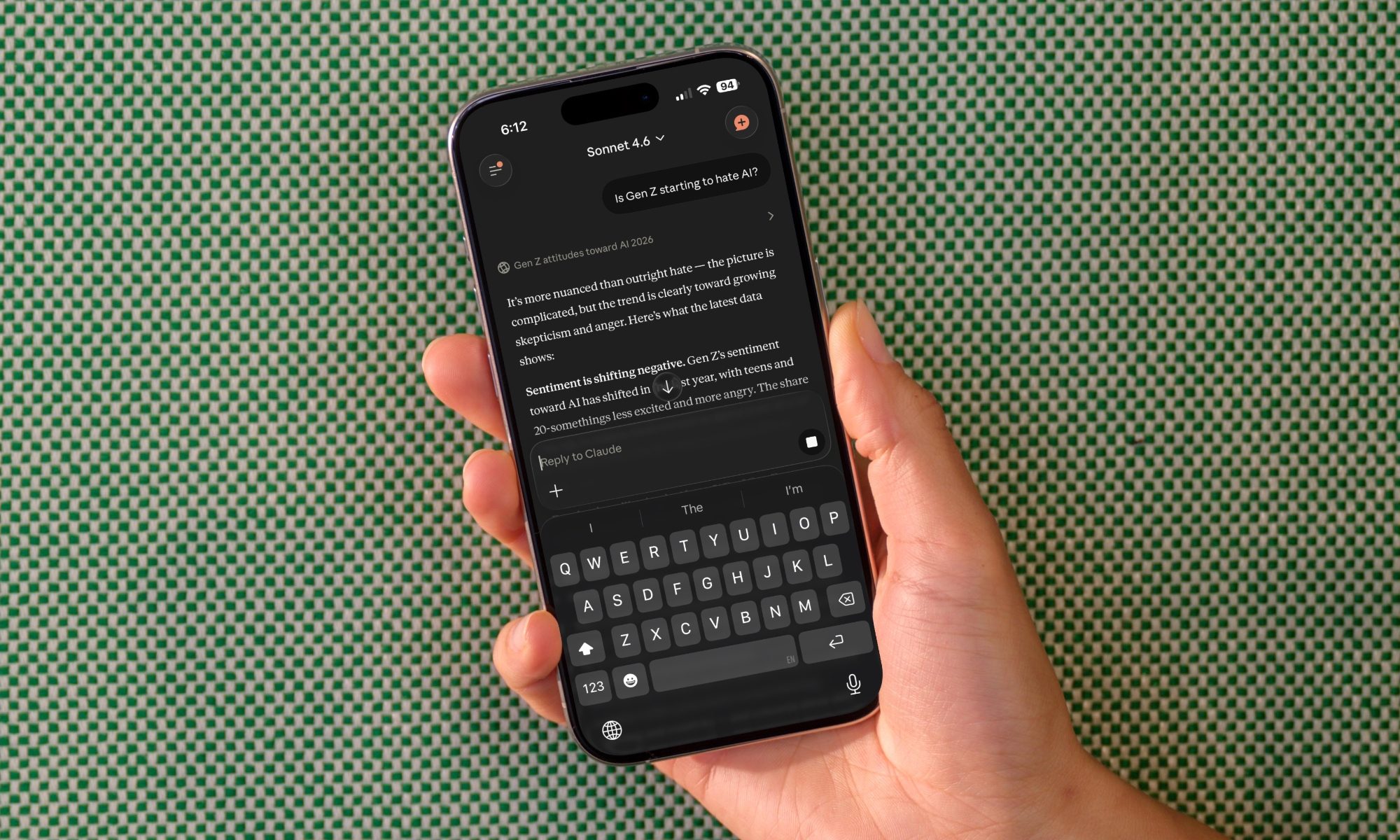
Another 22% preferred to keep working the way they already do. Lack of skill wasn’t the main obstacle. Many respondents understood the technology and still decided it didn’t belong in their routine.

That cuts against the industry’s favorite assumption that resistance fades once people become familiar with AI. Some users understand what these tools offer and still don’t think the tradeoff is worth it.

Can opting out still count

Consent gets weaker when people can’t tell where AI is operating or what information it’s processing. Choosing not to open ChatGPT is easy. Avoiding automated decisions inside another service is much harder.

People can reject the visible tools while hidden systems keep running in the background. A meaningful opt-out would need clear disclosure, usable controls, and an alternative that doesn’t punish anyone for declining.

Without those choices, AI exposure becomes the default. Consent then starts looking more like a buried settings menu than an actual decision.

Why the backlash may keep growing

Public sentiment is already shifting. The share of UK adults who believe AI carries more risks than benefits rose from 48% in 2023 to 52% in 2026. Those seeing more benefits fell from 38% to 34%.

Gen Z makes the picture even messier. Younger adults use AI more often, but they’re also more likely to restrict it and worry about the risks.

Employers and tech companies now have a blunt warning. Clear disclosure and practical opt-outs may decide whether caution stays manageable or turns into wider rejection.

Paulo Vargas
Paulo Vargas is an English major turned reporter turned technical writer, with a career that has always circled back to…
Google’s new Magic Pointer Play Store listing reveals a Gemini shortcut built for Googlebooks
The unannounced app turns the cursor into a contextual AI tool for search, image creation, and shopping
Plant, Text, Business Card

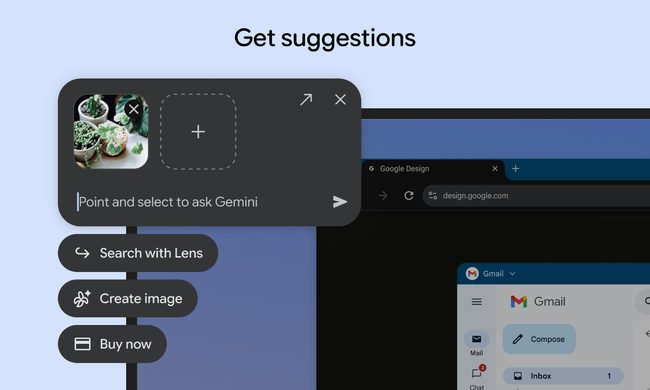
Google has quietly published a new Play Store listing for Magic Pointer, an unannounced app built for Googlebooks. Updated on July 10, the app turns the cursor into a Gemini shortcut that can act on whatever a user selects on screen.

Magic Pointer can send an image to Lens, generate a related image, or surface a shopping action without forcing users to open a separate chatbot. Regular Android devices currently show as incompatible, so the listing offers an early preview rather than a broad release.

Read more
The face on an AI interviewer may matter as much as the decision it makes
Researchers found that race and gender matching changed how fairly rejected applicants viewed an automated interview, even though everyone received the same outcome
File, Computer Hardware, Electronics

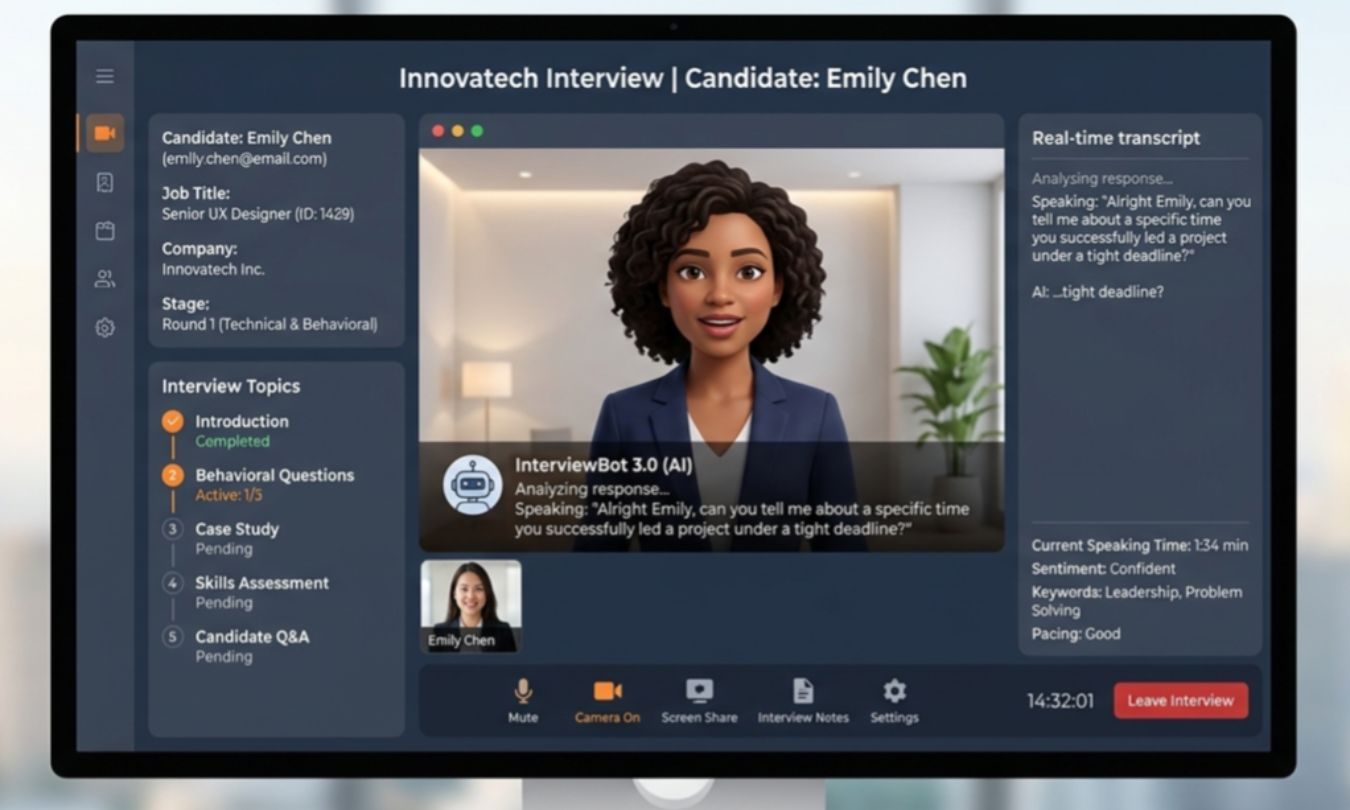
An AI hiring system can treat every applicant the same and still leave some people feeling targeted. Researchers found that rejected candidates judged an automated interview differently depending on the race and gender of the avatar delivering the result.

Around 220 participants completed a simulated interview for a fictional customer support role with one of four photorealistic AI avatars. Everyone was rejected, yet perceptions of fairness shifted with the interviewer’s appearance. An algorithm audit could miss that reaction because candidates don’t experience the system as raw code. They experience a face asking questions and judging their answers.

Read more
YouTube’s AI-powered search is rolling out in the US to find videos based on situations you describe
Ask YouTube can find videos based on the situation or idea you describe
youtube ai search feature

YouTube users in the U.S. are getting a new way to search for videos on the web. The company has started rolling out Ask YouTube, its conversational AI search experience, beyond the Premium-only test announced at Google I/O 2026.

Instead of entering a few keywords and scrolling through a standard list of results, users can ask YouTube a complete question. The feature is designed for broader searches where the exact video, channel, or topic may not already be clear.

Read more