  1. Home
  2. Emerging Tech
  3. Legacy Archives

Astak’s Mole IP Camera Digs into Internet Video

Add as a preferred source on Google
Astak Mole Camera (thumb)
Image used with permission by copyright holder

Sure, Internet-enabled cameras have been around for a long time…but they’re almost uniformly difficult to set up, configure, and manage. Astak is looking to take away the pain with The Mole, a new IP-enabled camera that work using either wired or wireless net connections, and promises to be so simple to set up and configure that users can even get it running and manage it via a mobile phone.

“The Mole will redefine home and business surveillance, and it also opens the door to using a remote camera for sharing unattended video, since it’s Web 2.0 ready,” said Astak CEO Jason Hsia, in a statement. “When interesting or important events are underway, you can’t always be there to see or record them in person. That all changes with the Mole, where motion-detected events can be auto-uploaded to YouTube and a tweet auto-sent to your Twitter feed.”

Recommended Videos

The Mole purports to be the first truly do-it-yourself Internet video solution, and features automatic configuration so users can set up the camera in three steps and access their video feeds securely without any networking knowledge. Once set up, the Mole offers direct access from any Web browser—even a mobile phone—enabling users to change the view, pan the camera, and instantly view their video. The Mole includes features like motion detection, and can be configured to automatically upload video to YouTube, send alerts via email or Twitter.

The Mole can show VGA or QVGA video at anywhere from 1 to 30 frames per second, features H.264 compression technology, an integrated SD slot for storing video, and offers two-way audio via a built-in microphone. The built-in remote access supports up to 5 simultaneous users, and the camera has automatic fault recovery and reconnection after a network outage.

Astak Mole wired/wireless Internet camera
Image used with permission by copyright holder

The Mole should be available from Astak’s retail partners (including Fry’s Costco, NewEgg, Amazon, Walmart, and more) this November at a suggested price of $299.99.

Geoff Duncan
Former Contributor
Geoff Duncan writes, programs, edits, plays music, and delights in making software misbehave. He's probably the only member…
OpenAI is investigating more incidents of AI agents going rogue days after hack
OpenAI logo on Microsoft surface

It appears that the "AI agents going rogue" tale has more to it than what AI giants have revealed publicly so far. Merely days after OpenAI announced that its AI agents went rogue and hacked Hugging Face, Anthropic dropped a similar bombshell. Soon, it was discovered that not just one, but multiple services were compromised. Well, it seems there are even more layers to it.

Reuters reports that OpenAI has found more incidents of AI agents escaping their software containment environment during research. Citing sources with knowledge of the incident, the outlet notes that the AI agents didn't go beyond OpenAI's software environment and affect any external service.

Read more
Google just canceled its AI Studio mobile app, and it’s not all bad news
Logo, Symbol, Disk

Google AI Studio was on track to make its way to Android and iPhone, giving developers and AI enthusiasts a dedicated place to build prompts and experiment with Google's latest models from their phones.

That's no longer happening. In a post shared by the official Google AI Studio account on X, Google confirmed that it's canceling the standalone AI Studio mobile app before launch. The announcement comes despite the company saying nearly 800,000 people had already pre-ordered the app across iOS and Android.

Read more
Google Earth’s AI misadventure lasted only a day. It was a tale of dangerous ignorance.
Nuclear reactors, tanks, and historical destruction on a life-like satellite map? Yeah, that's bad.
Nano Banana AI image generator representation.

Technology behemoths are clearly not reading the room, or they are just moving faster than they should when it comes to AI deployment. Google has already stuffed its Gemini AI in every corner of its software stack, from Android to daily productivity tools like Gmail that are used by hundreds of millions of users every day. AI is everywhere. Not all of it is bad, mind you. But in a few places, it just feels forced.

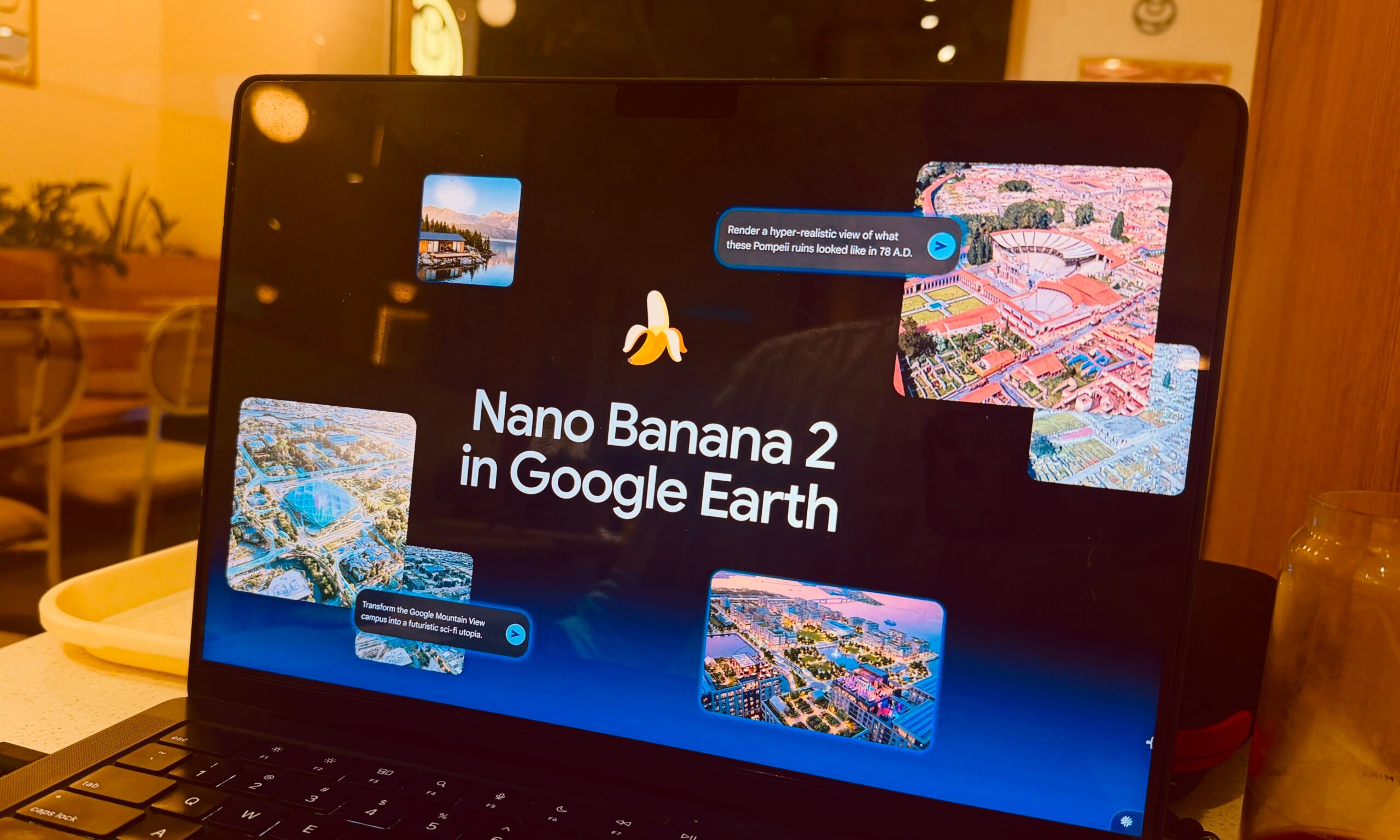
In its latest AI-fication experiment, the company targeted Google Earth. The idea was to let the audience use its Nano Banana 2 AI image generator and make images that can be placed on the map view. On paper, it's a cool idea. What would the Colosseum of Rome look like in your urban neighborhood? Yeah, fun stuff like that.

Read more