1. Home
  2. Computing
  3. Legacy Archives

When it comes to hard drive reliability, size matters

Add as a preferred source on Google

Picking the perfect hard drive can be tricky. Unlike CPUs or GPUs, HDDs tend to randomly fail when least you expect it, and age doesn’t seem to make a difference.

But what about capacity, brand and model? Do they have a say in hard drive durability, or is the whole thing a lottery? According to online backup solution provider Backblaze, it’s a yes across the board on the former question.

Recommended Videos

Believe it or not, HDDs offering more storage space kept their chins up better throughout 2014 in Backblaze’s data center, especially those manufactured by Seagate. Which brings us to the second part of the equation – the name on the label.

Exactly like last year, Hitachi, now known as HGST (and a subsidiary of Western Digital), knocked it out of the park with microscopic failure rates, followed by Western Digital’s own brand, which also performed above average. The ficklest HGST products were 3TB Deskstar 7K3000s, with a still reasonable bust score of 2.3 percent, while only half a a percent of all 4TB Megascale 4000.Bs bit the dust.

In Western Digital’s camp 4TB models literally never failed, 3TB Reds broke 6.9 percent of the time, and 6TB Reds held their ground in 96.9 percent of cases. That may sound more impressive than HGST’s results, but the sample size was much lower for Western Digital HDDs.

Backblaze only had a total of a little over 1,000 units for the latter manufacturer, and more than 23,000 Hitachis. Before you scream bias though, keep in mind the backup data specialist had a solid reason for playing favorites with HGST – low pricing.

Western Digital drives were “never” cheapest over the entire course of 2014, and generally, they were $15 to $20 costlier than the competition.

As for Seagate, their drive reliability is extremely patchy, with 1.5 and 3TB Barracuda 7200s the clear losers. The latter unbelievably failed in 43.1 percent of cases, unlike higher-capacity 4TB Barracuda XTs and Desktop HDD.15s, which earned excellent scores of 1.1 and 2.6 percent respectively.

There’s your answer then. If you’re in the market for an affordable desktop hard drive, go HGST or, perhaps, a 4TB Seagate.

Adrian Diaconescu
Former Digital Trends Contributor
Adrian is a mobile aficionado since the days of the Nokia 3310, and a PC enthusiast since Windows 98. Later, he discovered…
Microsoft wants Windows 11 and your phone to become best friends
Microsoft's latest plans reportedly focus on making the PC and smartphone experience feel seamless.
Windows 11 PC with Android Phone

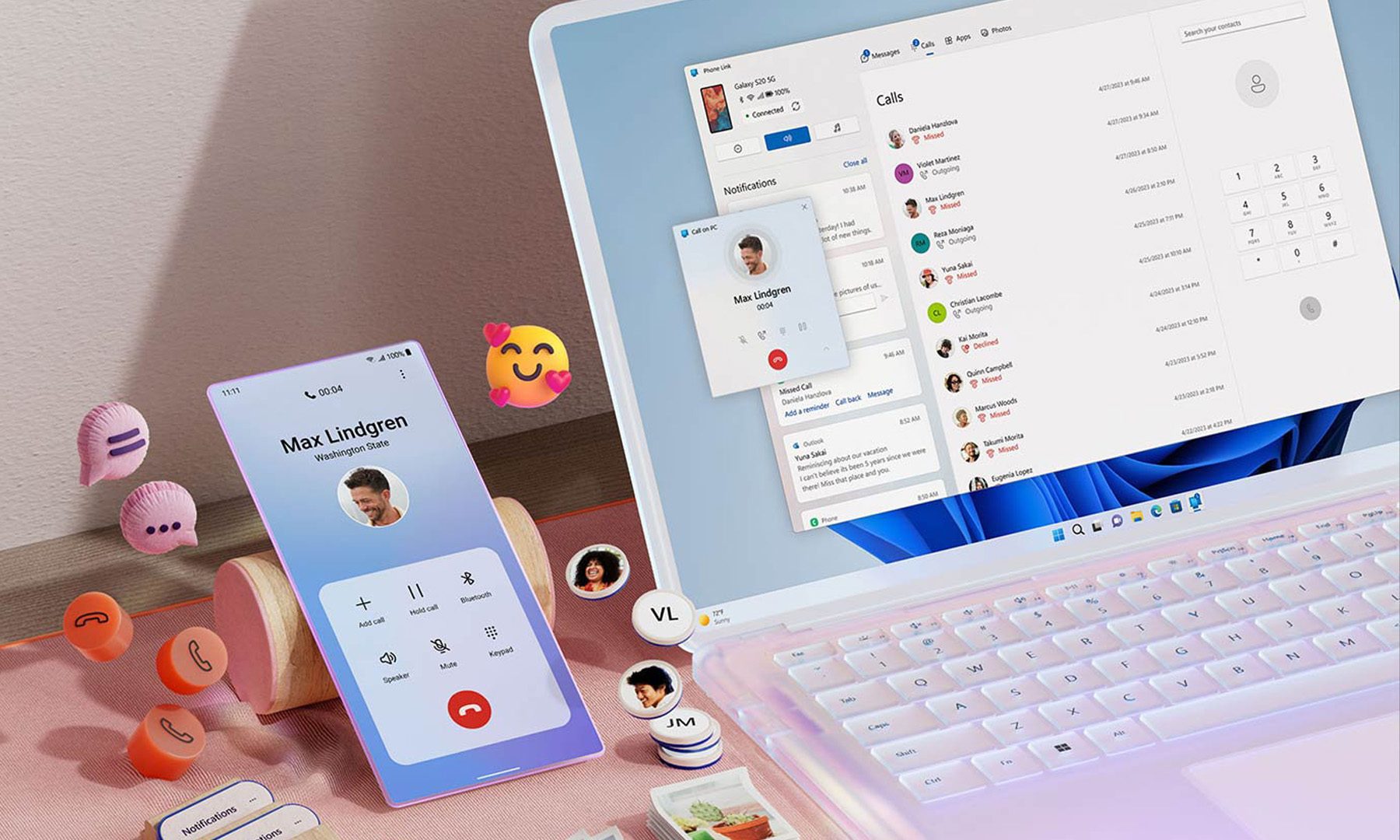
For years, Phone Link has felt like that one app everyone knows exists but rarely remembers to open. Microsoft apparently wants to change that. According to a report from Windows Central, the company is working on a major overhaul of how smartphones integrate with Windows 11, making phones feel like a native part of the operating system instead of something users access through a separate app.

Phone Link is coming out of hiding

Read more
What are Copilot+ PCs? Everything you need to know
Copilot

Walk through a laptop aisle in 2026 and the Copilot+ PC branding is highlight for most Windows laptops. From Microsoft's own surface to other PC makers like Samsung, HP, and Dell, you can find notebooks that carry this badge to convey that they are AI-ready. At a glance, the name sounds like it refers to a computer with a better version of the Copilot chatbot, which only explains a small part of it.

A Copilot+ PC is a Windows 11 computer that meets Microsoft’s hardware standard for advanced on-device AI features like a compatible processor with a dedicated NPU. You also need a certain amount of RAM and storage, all of which brings access to Windows features such as Recall, Click to Do, and much more. Many of these experiences use the NPU to process information locally, reducing their reliance on cloud servers and helping them run more efficiently in the background.

Read more
ASUS expands its ProArt lineup with a compact keyboard and a smart creator mouse
The new ProArt KD300 and MD301 are designed to make life easier for designers, editors, and creators.
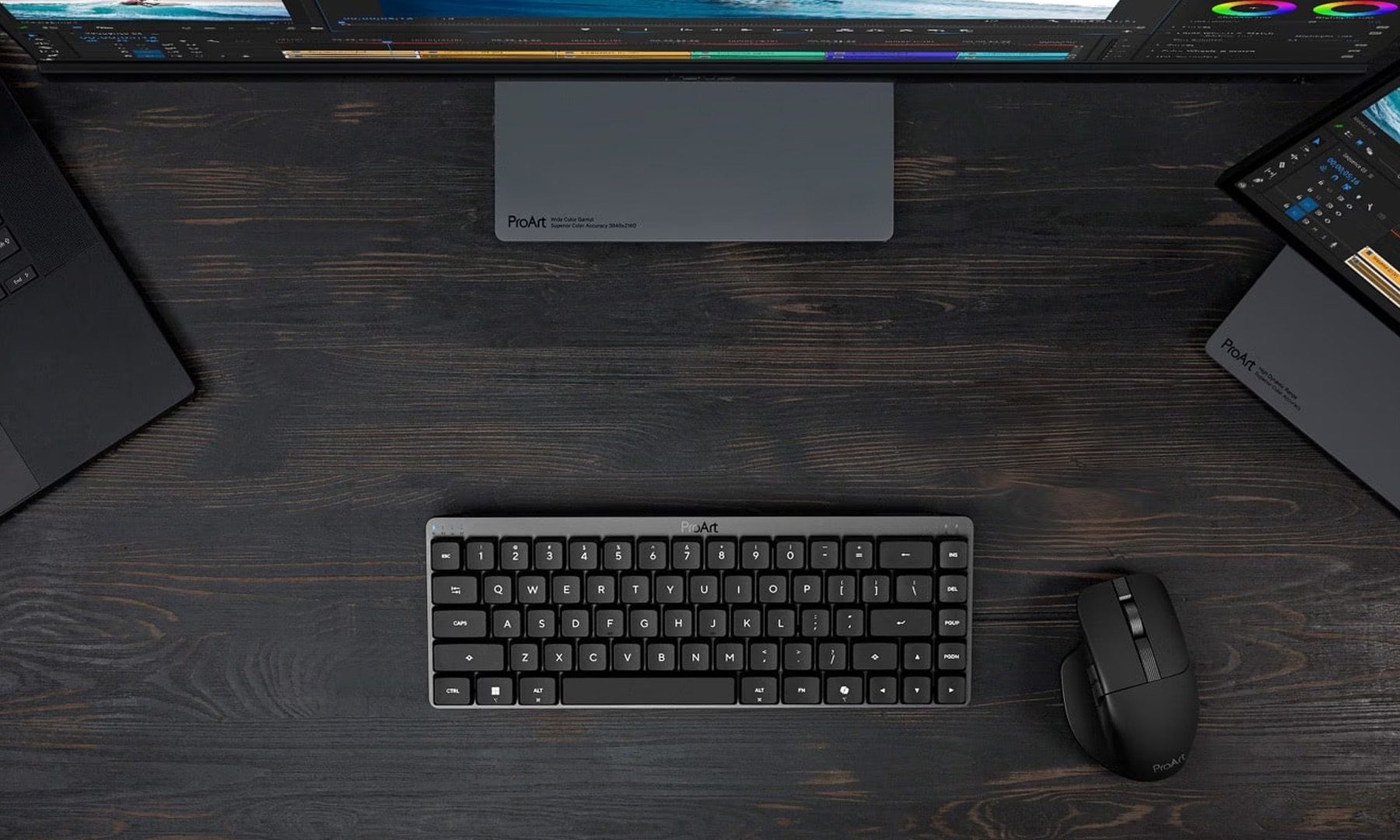
ASUS ProArt Keyboard KD300 and ProArt Mouse MD301

Creators have long had plenty of powerful laptops and monitors to choose from. Keyboards and mice? Not so much. ASUS is looking to change that with the expansion of its ProArt accessory lineup. Leading the announcement is the new ProArt Keyboard KD300, a compact low-profile keyboard that's designed to work alongside the ProArt Mouse MD301, giving creators a matching desktop setup built specifically for productivity instead of gaming.

A compact keyboard that doesn't sacrifice functionality

Read more