  1. Home
  2. Cars
  3. Photo Galleries
  4. News

Scion updates the FR-S with more tech for 2016, but a turbocharger is nowhere to be found

Add as a preferred source on Google

Scion has made a handful of minor improvements to the FR-S in time for the 2016 model year.

The vast majority of the upgrades are found inside, where the FR-S benefits from a brand new infotainment system that features voice recognition technology. The central component of the system is a seven-inch touch screen that also displays the images transmitted by the newly-standard rear-view camera.

The new infotainment system is complemented by a more powerful stereo and by bright silver accents on the steering wheel, the center console and the dashboard. The FR-S also gains two new colors, a red called Ablaze and a blue dubbed Oceanic.

Sadly, persistent rumors of a turbocharged FR-S have not materialized yet and the coupe carries on without any major mechanical modifications. Like its Subaru-badged twin, the FR-S uses a 2.0-liter flat-four engine that makes 200 horsepower at 7,000 rpm and 151 foot-pounds of torque at 6,400 rpm.

Power is sent to the rear wheels via a six-speed manual transmission, though buyers who prefer to go clutch-less can order a six-speed sequential automatic gearbox controlled by shift paddles at an extra cost. Fitted with three pedals, the FR-S sprints from zero to 60 mph in a little over six seconds.

The 2016 Scion FR-S is scheduled to go on sale across the nation in the next few weeks and the first examples will land on dealer lots in early June. Slightly more expensive than the outgoing model, the coupe will carry a base price of $25,305 when ordered with a six-speed manual transmission and $26,405 when fitted with a six-speed automatic. These figures exclude a mandatory $770 destination charge.

What’s next?
For years, rumors indicated that Scion would build a long list of FR-S off-shoots including a hybrid, a turbocharged model, a convertible and even a sedan. The company has categorically ruled out both the convertible and the sedan for costs reasons, but a gasoline-electric drivetrain could join the lineup before the end of the FR-S’ production run.

Ronan Glon
Ronan Glon is an American automotive and tech journalist based in southern France. As a long-time contributor to Digital…
Tesla launches the six-seat Model Y Long Wheelbase in the US
The stretched electric SUV brings more space, more comfort, and up to 325 miles of range.
Tesla Model Y Long Wheelbase Featured

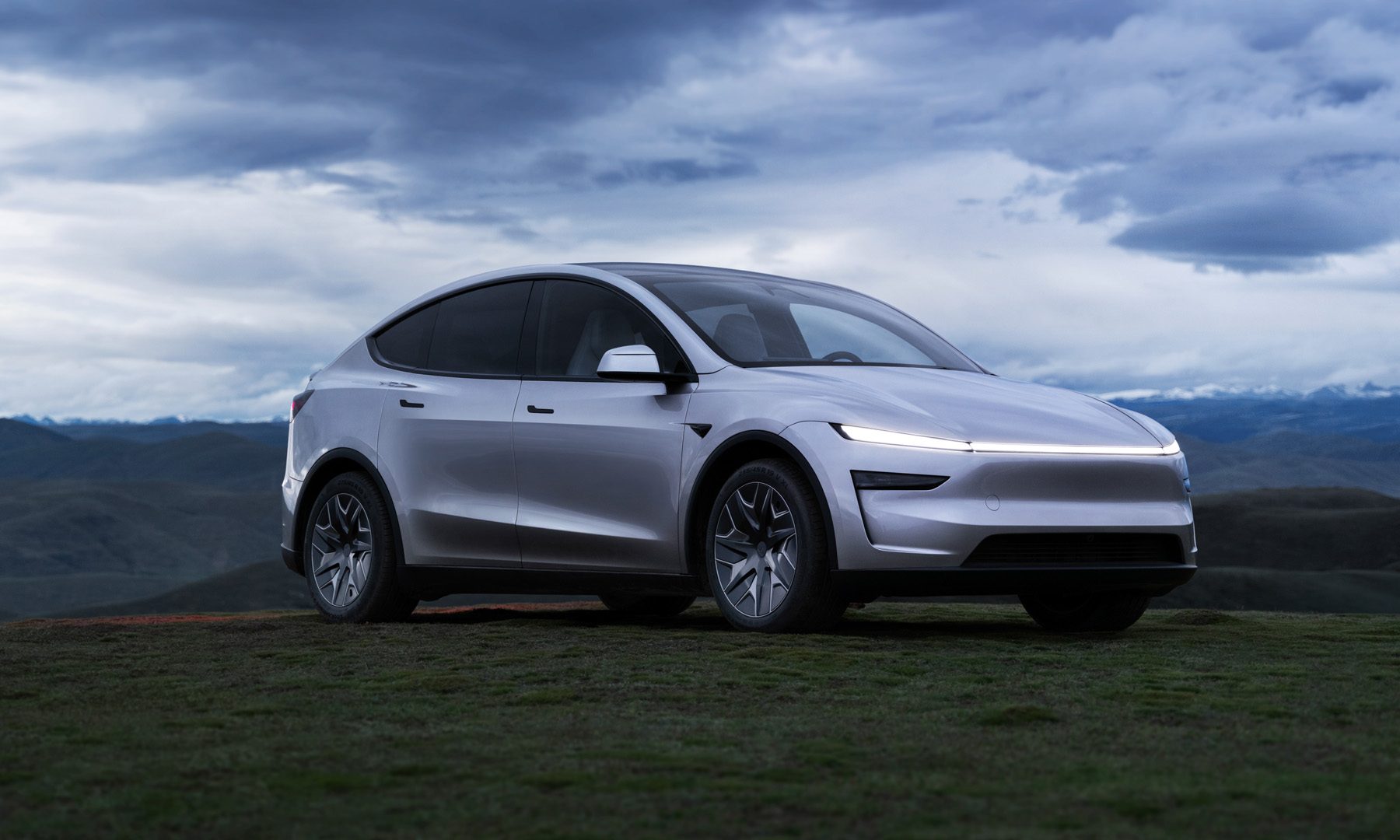
Tesla is giving the Model Y a little more breathing room. The company has officially launched the Model Y Long Wheelbase in the United States and Puerto Rico, introducing a stretched version of its best-selling electric SUV with a three-row, six-seat layout that's designed to make family road trips a lot more comfortable.

A bigger Model Y with a focus on comfort

Read more
A stolen Kia reveals the hidden limits of connected car technology
Kia can see where your stolen car is. GDPR means it won't share that in real time. That is the entire problem.
Kia EV3 design

If you’re buying a car with connected car technology, thinking it would help you to recover it in the event of theft, you might want to recalibrate your expectations. 

A recent incident in the UK, in which a car owner had three tracking devices installed in his car and still couldn’t recover it, led the carmaker to state that connected-car technology isn’t a “certified security vehicle tracker” (via the BBC).

Read more
Cambrige experts find utterly simple fix for longer lasting EV batteries. Just put some pressure on it.
Scientists found a way to make EV batteries last longer without reinventing the battery
EV Charging

EV battery breakthroughs typically involve new chemistry, exotic materials, or faster charging/higher capacity. But a new study reveals that you can skip all the fancy stuff and go with a very simple solution, Researchers from the University of Cambridge found that putting the battery under the right amount of pressure actually helps.

The study was about how physical pressure affects lithium-ion battery life, which found that keeping cells under constant pressure could double their lifespan. The work was published in Nature Energy, and the team says the improvement came without changing the active materials, electrolyte, or basic battery chemistry.

Read more