1. Home
  2. Gaming
  3. News

Struggling MMO WildStar could drop its subscription model, head to Steam in August

Add as a preferred source on Google

Even though World of Warcraft is having a hard time keeping subscribers these days, it’s widely agreed that ever since that game came along, it has been nearly impossible for any other MMO to thrive on a subscription model.

WildStar launched less than a year ago, and its colorful art style and twitchy, skill-basic combat system had some saying that the game might thrive despite World of Warcraft’s grip on the market. Unfortunately, while critical reception of the game was positive, it suffered from the same plight as nearly every other modern subscription-based MMO.

Recommended Videos

Now it seems that WildStar might be the latest in a long line of MMOs to drop its subscription. A few weeks ago, the game was pulled from store shelves in Australia, a move that already had some speculating on a shift to free-to-play, and now an entry in the Steam database seems to confirm this.

The entry, visible on SteamDB, lists WildStar — which has not been available on Steam to date — as “Free on Demand,” which is the same billing type used by free-to-play games. At the same time, the license type is listed as “Single Purchase,” which could possibly mean that like Elder Scrolls Online, it is simply dropping its subscription, but players will still need to purchase the base game.

WildStar just released its first major update, called Invasion Nexus, earlier this month, so it seems that publisher NCsoft isn’t ready to simply let the game flame out. The company has already used a similar business model in Guild Wars 2, which is an MMO that requires a one-time purchase.

A post on Reddit seems to confirm that Wildstar is indeed moving to this new business model. If the person behind the post is telling the truth, we’ll see the subscription dropped in August. In the meantime, for a look at the game in its current form, head over to the WildStar website.

Kris Wouk
Former Contributor
Kris Wouk is a tech writer, gadget reviewer, blogger, and whatever it's called when someone makes videos for the web. In his…
Virtual taekwondo sounds like a gimmick until it solves the biggest fear of combat sports
The noncontact VR discipline is gaining momentum in Southeast Asia by keeping the athletic grind while reducing the injury risk that scares many people away.
Electronics, Screen, Person

Virtual taekwondo sounds ridiculous in the easiest way. Put on a headset, strap sensors to your body, kick at empty air, and call it a combat sport. Somewhere, Wii Sports is quietly stretching.

Athletes are still kicking, reacting, and gasping through the work. The difference is that the hits land on avatars instead of bodies.

Read more
This VR empathy game could be the start of something much creepier
Rekindle uses face-tracking biometrics to deepen player involvement, but the same idea could eventually shape therapy tools, safety systems, and emotionally responsive interfaces.
VR Headset, Accessories, Goggles

A new VR empathy game called Rekindle turns facial expressions into part of the controls. The game asks players to perform emotions, then watches their faces to see whether those reactions match the scene.

The first-person story centers on memory, identity, and empathy for the LGBTQ+ community. Players move through a dystopian future where sexual identity has been targeted and erased, collecting memory fragments tied to the protagonist’s experience.

Read more
PlayStation’s disc-killing move may have blindsided the very partners keeping its games business alive
Sony’s reported shift away from physical discs allegedly caught publishers, regional teams, and retail partners off guard, turning a gamer ownership fight into a business trust problem.
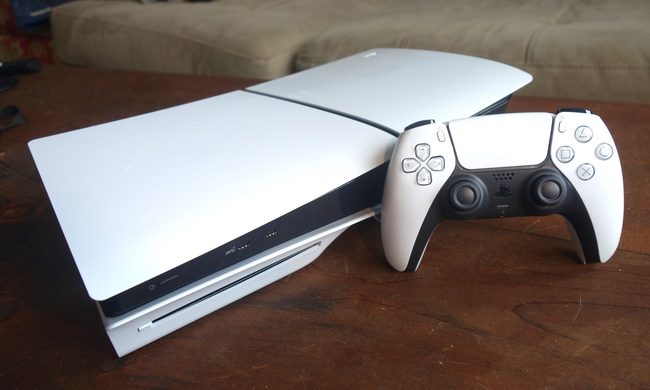
A PS5 sits on a table with a DualSense standing up next to it.

PlayStation’s reported move away from physical discs already looked bad for players who still care about owning games. Now it sounds messy for the companies expected to sell, support, and build around Sony’s ecosystem.

High Chaos Run reports that Sony’s decision to end physical disc production for PS5, and likely PS6 in 2028, came without warning publishers, business partners, or some regional operations. If accurate, Sony didn’t only create another fight over PlayStation discs. It left parts of its own games business catching up after the decision was already public.

Read more