1. Home
  2. Computing
  3. News

New Asus systems will be among first to launch with Skylake processors

Add as a preferred source on Google

With Computex 2015 taking place in Taipei over the course of this week, it’s expected that we’ll see a bevy of new hardware unveiled. One of the first of such announcements to come from the event has been made by Asus — rather fittingly, as the company’s headquarters is located just across the city from the expo itself.

Asus has revealed two new rigs that will take advantage of Intel’s upcoming Skylake (aka Intel Core 6th-generation) processor, according to a report from PC Perspective. We’ve known about these chips for some time, but this announcement pitches the Asus systems as among the first to utilize the hardware.

Recommended Videos

Skylake is the successor to Broadwell, which itself was only created last year. Intel’s processor releases follow the company’s ‘tick-tock model’, where Broadwell is a ‘tick’ and Skylake is a ‘tock’ — in broad strokes, this means that it shares the same fabrication process while introducing a new micro-architecture.

The first of the two systems is the G11CB, a desktop that packs a NVIDIA GeForce GTX 980 graphics card, M.2 SSD and DDR4 SDRAM. Its design features something that Asus describes as an “aggressively-designed chassis,” with the front of the unit featuring eye-catching LED light effects.

Meanwhile, the VivoPC VC65 is set to be positioned as the new flagship model of Asus’ VivoPC line of machines with a small form factor. The computer has enough space for two solid state or hard disk drives, making it a potent option for use as NAS or as a home media library.

Beyond system specifications, little was said about when we can expect to see the G11CB and the VC65 made available to consumers. Asus has not revealed clock speeds, core counts, integrated graphics model, or chipset names. However, given that Skylake looks set to debut in August, we might hear further word on the matter sooner rather than later.

Brad Jones
Brad is an English-born writer currently splitting his time between Edinburgh and Pennsylvania. You can find him on Twitter…
TSMC might set up a price hike that could come straight for your next phone, laptop, or tablet
Here's what TSMC's rumored 10% chip price increase actually means in dollar terms, and why your next phone or laptop could end up costing more.
TSMC Fab

My wallet flinched the second I saw the words "TSMC" and "price increase" in the same headline, and honestly, yours should too.

Turns out the company behind the silicon powering basically every flagship device out there, including Apple’s A-series and Qualcomm’s Snapdragon processors, is reportedly about to make all of it a little pricier.

Read more
Apple fixes Hide My Email bug that exposed users’ real email addresses
Here's how Apple's Hide My Email flaw leaked real addresses for over a year, and why it only got fixed once the story went public.
apple-merging-sign-in-with-apple-hide-my-email-icloud+

Turns out the "Hide" part of Hide My Email wasn't doing its job quite as advertised, something that I covered early in July. Security researcher Tyler Murphy reported the flaw in June 2025, but despite Apple claiming it was resolved in March 2026, independent tests confirmed it remained exploitable, at least until July 3, 2026.

So how did this bug actually work?

Read more
Gemini Notebook’s new Collections arrive just as Google turns it into a bigger workspace
Google is cleaning up notebook organization as the former NotebookLM expands across Gemini and Search
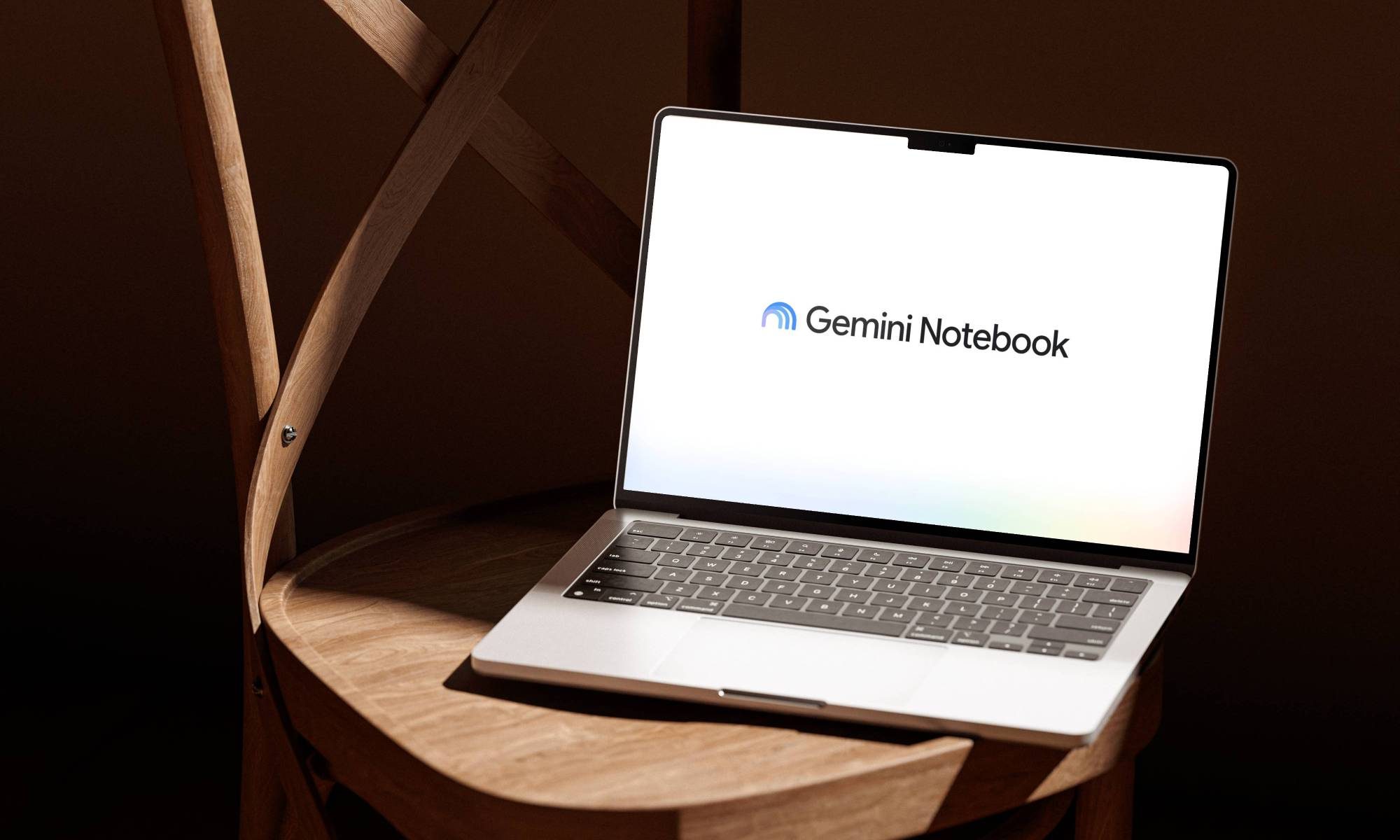
Gemini Notebook branding on a MacBook

Google has barely finished renaming NotebookLM, and it’s already addressing one of the headaches that comes with building a large research library.

Collections are rolling out to all Gemini Notebook users, giving them a way to group related notebooks while keeping everything visible under My Notebooks. The dashboard gets some structure without asking users to rearrange the library they’ve already built.

Read more