  1. Home
  2. Phones
  3. Business
  4. Mobile
  5. News

Xiaomi’s off to pastures new, launches $160 Redmi 2 smartphone in Brazil

Add as a preferred source on Google

Hugely popular Chinese smartphone brand Xiaomi has taken further steps out of Asia, and into the wider international market. While it has recently opened an online store in Europe and the U.S. for a select few accessories, this time it’s all about its smartphones. The country in question is Brazil, the fourth largest smartphone market in the world, and a considerable opportunity for the growing brand.

The company has announced a single phone for Brazil, the Redmi 2, which will be sold from July 7 for the equivalent of $160. For that you get a 4.7-inch, 720p display, powered by a 64-bit Snapdragon 410 processor with 1GB of RAM. It runs Android, but with Xiaomi’s extensive MIUI skin over the top. There are two cameras fitted, an 8 megapixel on the rear, and a 2 megapixel on the front. A 2200mAh battery is inside, there’s 8GB of internal memory, a MicroSD card slot, two SIMs, and 4G LTE connectivity.

Recommended Videos

For the price, it’s a good deal, especially when you consider a 16GB Apple iPhone 6 costs in excess of $1,100 without a contract in Brazil. Xiaomi also sells the Redmi 2 in India, where it’s even cheaper at the local equivalent of just $110.

Brazil has high import taxes, and Xiaomi has decided to build the Brazilian Redmi 2 locally, and will also buy certain components from firms in the country. It’s also the first time the company has built phones outside of China. Fans can buy the Redmi 2 online through Xiaomi’s own store, where it will also sell the Xiaomi Mi Band fitness tracker and the Mi PowerBank extended battery. According to the Wall Street Journal, Xiaomi’s not looking to sell its phones in retail stores.

Xiaomi Brazil Launch
Image used with permission by copyright holder

Ironically, Xiaomi held its launch event in a Sao Paulo shopping mall, where Brazilian Hugo Barra — former Google exec and now Xiaomi’s VP for Product — was apparently greeted like a rock star. He told the Financial Times that he expects Xiaomi’s business model and keenly priced hardware to do well in Brazil, and that it would be, “a stepping stone in to Latin America for us.”

Andy Boxall
Andy has written about mobile technology for almost a decade. From 2G to 5G and smartphone to smartwatch, Andy knows tech.
3 Siri AI features that have genuinely improved my day-to-day life
Three years late, but Siri AI might have been worth the wait.
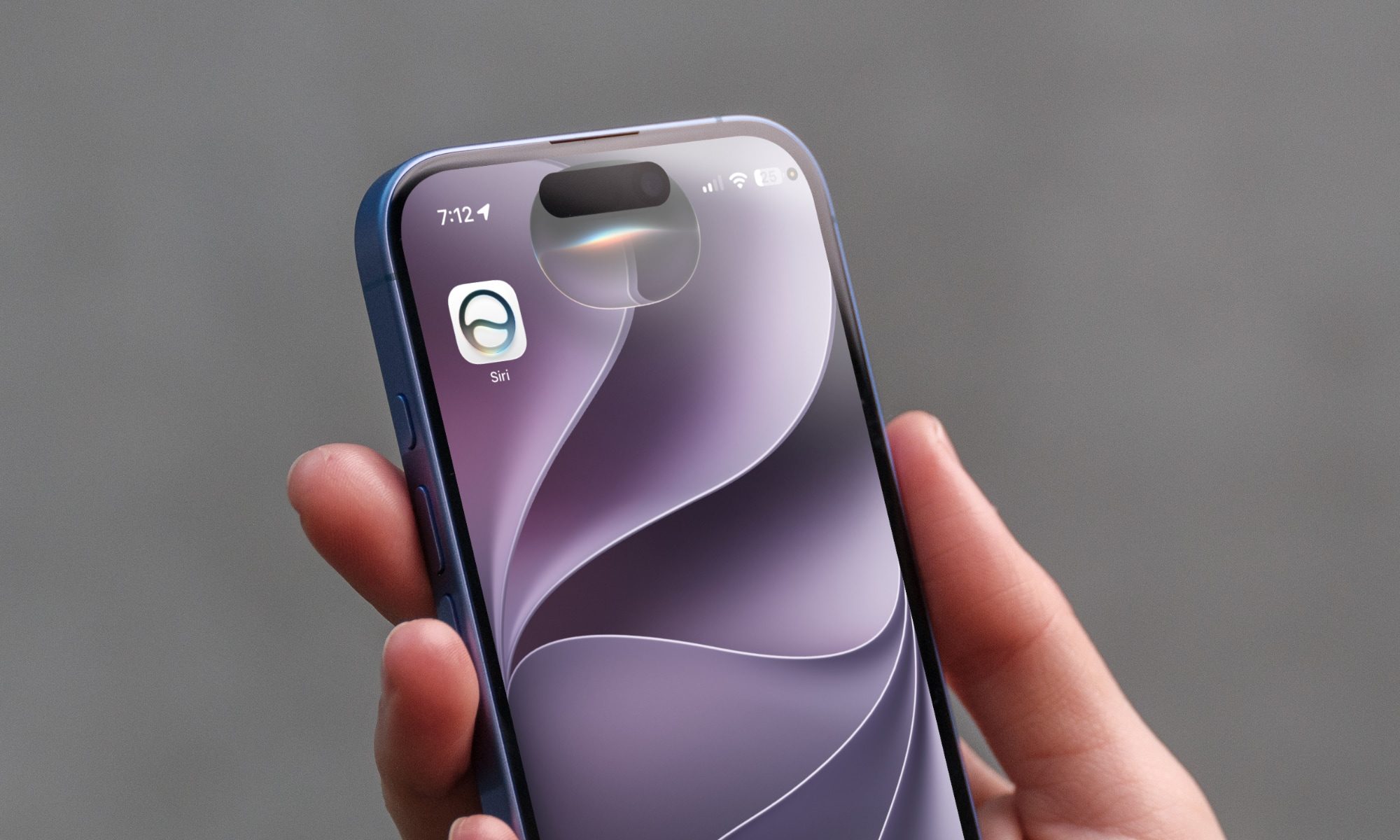
Siri Ai on iPhone

iOS 27 has finally brought the much-improved Siri experience to iPhones that Apple had promised three years back. The new Siri, dubbed Siri AI, actually feels useful now. I can use it to create shortcuts, get answers based on my personal context, perform actions in apps, and so much more. Of all the Siri AI features, three simple ones have genuinely improved my day-to-day experience. Let’s talk about them.

Search has improved across the board

Read more
The AI phone era is coming, and the weird brands may not survive it
The market once had room for strange, scrappy, genuinely good phones. AI could turn that room into another luxury suite.
Electronics, Phone, Mobile Phone

I have a soft spot for phone brands that made Android feel less inevitable. Meizu is one example, but there were plenty of smaller names with their own strange little gravity, from Fairphone’s repair-first stubbornness to Unihertz’s tiny oddballs, Shiftphone’s modular ideals, Murena’s de-Googled pitch, and Teracube’s attempt to make phone ownership feel less disposable. They weren’t always perfect, and some were never built to go mainstream, but they made smartphones feel alive around the edges.

Now the AI phone push is arriving, and it already looks less like a creative explosion than a cover charge. Meizu said in 2024 that it would end new traditional smartphone projects and focus on AI-enabled devices, which sounds futuristic until it starts feeling like a warning label.

Read more
I was in love with my iPhone Air, until summer arrived
Turns out slim phones and scorching summers don't mix well.
iPhone Air in hand

When Apple unveiled the iPhone Air, I knew immediately it would be my next phone. I have always loved small phones, and I stretched my iPhone 13 mini for as long as possible. But it struggled to keep up with my usage, so I had to upgrade. 

Since Apple no longer makes a small iPhone, the slim iPhone seemed like the right choice at the time. And honestly, it worked out well. While the iPhone Air is not as easy to handle as an iPhone mini, it is one-handable thanks to its slim profile and lower weight. 

Read more