1. Home
  2. Computing
  3. News

Asus brings Braswell processor to its fanless EeeBox E410 mini PC

Add as a preferred source on Google

Asus is launching a new model of its mini PC called the EeeBox E410. This new model comes equipped with an Intel Celeron N3150 Braswell quad-core processor. And as is the case with many of the latest mini PCs, it’s completely fanless, which makes it ideal for users looking for a PC to put in their living room or for businesses looking to use it in a conference room.

The specs of the new EeeBox are pretty solid. It starts with the aforementioned processor, which is supported by up to 8GB of RAM. For internal storage, users can choose between an HDD up to 1TB, or an SSD up to 128GB.

Recommended Videos

For ports, users will find two USB 3.0 and two USB 2.0 ports, HDMI, VGA, Ethernet, microphone, and headphone. There’s also 802.11ac WiFi on board.

While not the smallest PC you’ll find, this is definitely smaller than your average desktop, coming with dimensions of 8.6″ x 6.8″ x 1.1″. It’s also lightweight, coming in at only 1.5 pounds.

Asus seems to be aiming this PC at users who want a small device, but who also want a bit more power than what is usually found with most sticks, which tend to feature weaker processors and 2GB of RAM. They get the job done for watching videos and the like, but specs like those featured in the EeeBox are capable of running more intense programs.

Speaking of which, there’s support for two displays and the ability to output video in 4K, which is something the cheaper stick PCs certainly can’t handle. This opens up a lot more use cases, especially for businesses.

There’s a rotatable VESA-mount that allows the computer to be mounted directly to the back of a display, which is quite handy for using it in a conference room or even keeping it low-key in a living room.

The new desktop should be available soon, though Asus has not announced a final release date or pricing as of this writing.

Dave LeClair
Former Digital Trends Contributor
Dave LeClair has been writing about tech and gaming since 2007. He's covered events, hosted podcasts, created videos, and…
TSMC might set up a price hike that could come straight for your next phone, laptop, or tablet
Here's what TSMC's rumored 10% chip price increase actually means in dollar terms, and why your next phone or laptop could end up costing more.
TSMC Fab

My wallet flinched the second I saw the words "TSMC" and "price increase" in the same headline, and honestly, yours should too.

Turns out the company behind the silicon powering basically every flagship device out there, including Apple’s A-series and Qualcomm’s Snapdragon processors, is reportedly about to make all of it a little pricier.

Read more
Apple fixes Hide My Email bug that exposed users’ real email addresses
Here's how Apple's Hide My Email flaw leaked real addresses for over a year, and why it only got fixed once the story went public.
apple-merging-sign-in-with-apple-hide-my-email-icloud+

Turns out the "Hide" part of Hide My Email wasn't doing its job quite as advertised, something that I covered early in July. Security researcher Tyler Murphy reported the flaw in June 2025, but despite Apple claiming it was resolved in March 2026, independent tests confirmed it remained exploitable, at least until July 3, 2026.

So how did this bug actually work?

Read more
Gemini Notebook’s new Collections arrive just as Google turns it into a bigger workspace
Google is cleaning up notebook organization as the former NotebookLM expands across Gemini and Search
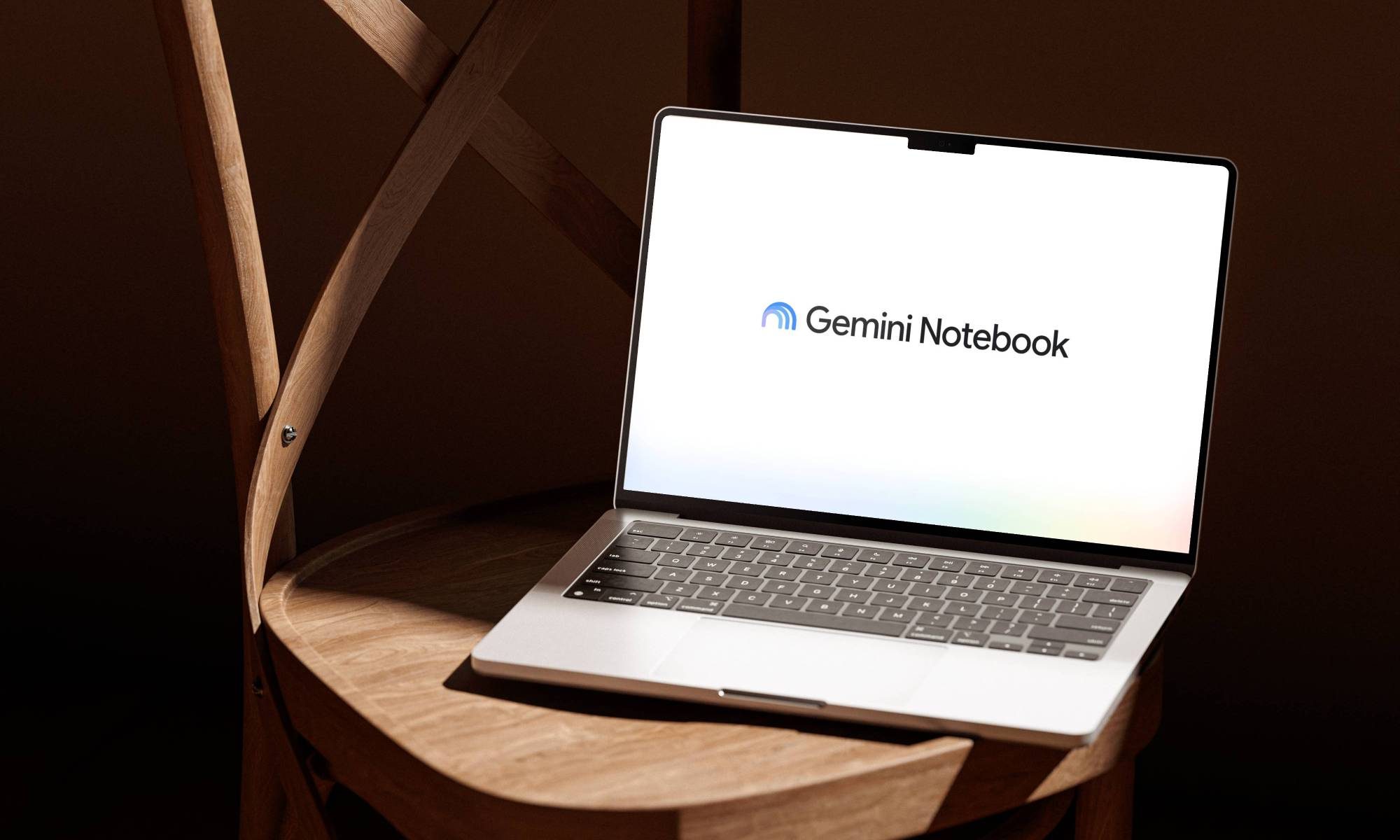
Gemini Notebook branding on a MacBook

Google has barely finished renaming NotebookLM, and it’s already addressing one of the headaches that comes with building a large research library.

Collections are rolling out to all Gemini Notebook users, giving them a way to group related notebooks while keeping everything visible under My Notebooks. The dashboard gets some structure without asking users to rearrange the library they’ve already built.

Read more