1. Home
  2. Wearables
  3. News

Google renames Glass team ‘Project Aura’, working on ‘cool wearables’

Add as a preferred source on Google

Remember Google Glass? Course you do. Well, the face-based computer is back in the news this week after the Wall Street Journal reported on a few behind-the-scenes changes regarding the project.

For starters, it’s apparently got a new name. It’s now called Project Aura, which, as you may have noticed, is only one letter away from Project Ara, another of the Mountain View company’s moonshot initiatives. To really mix things up, perhaps next they’ll rename their smart contact lens team Project Aurora.

Recommended Videos

The Journal’s unnamed source also says the Aura team has recently grown in size following a hiring spree that targeted engineers, software developers, and project managers. Interestingly, a number of those brought on board are said to be recently laid off engineers from Amazon’s Lab126 research facility in Silicon Valley.

The news outlet adds that information spotted recently on LinkedIn suggests Project Aura isn’t focusing purely on Glass. It says the profile of a new Aura member reveals that the team’s work encompasses “Glass & beyond”, with the employee adding that it’s currently developing some “cool wearables.”

Google Glass

Google Glass promised so much in its early stages, though public and lawmakers’ disquiet over issues such as privacy contributed to the project’s derailment. At the start of this year the company canceled the public Explorer program and told the Glass team to “take a pause” and reset its strategy.

It seems clear that the initiative is very much up and running again, albeit with a different name and a revamped team. The leader, however, hasn’t changed – it’s still Ivy Ross, who was in charge of the Glass project prior to its hiatus.

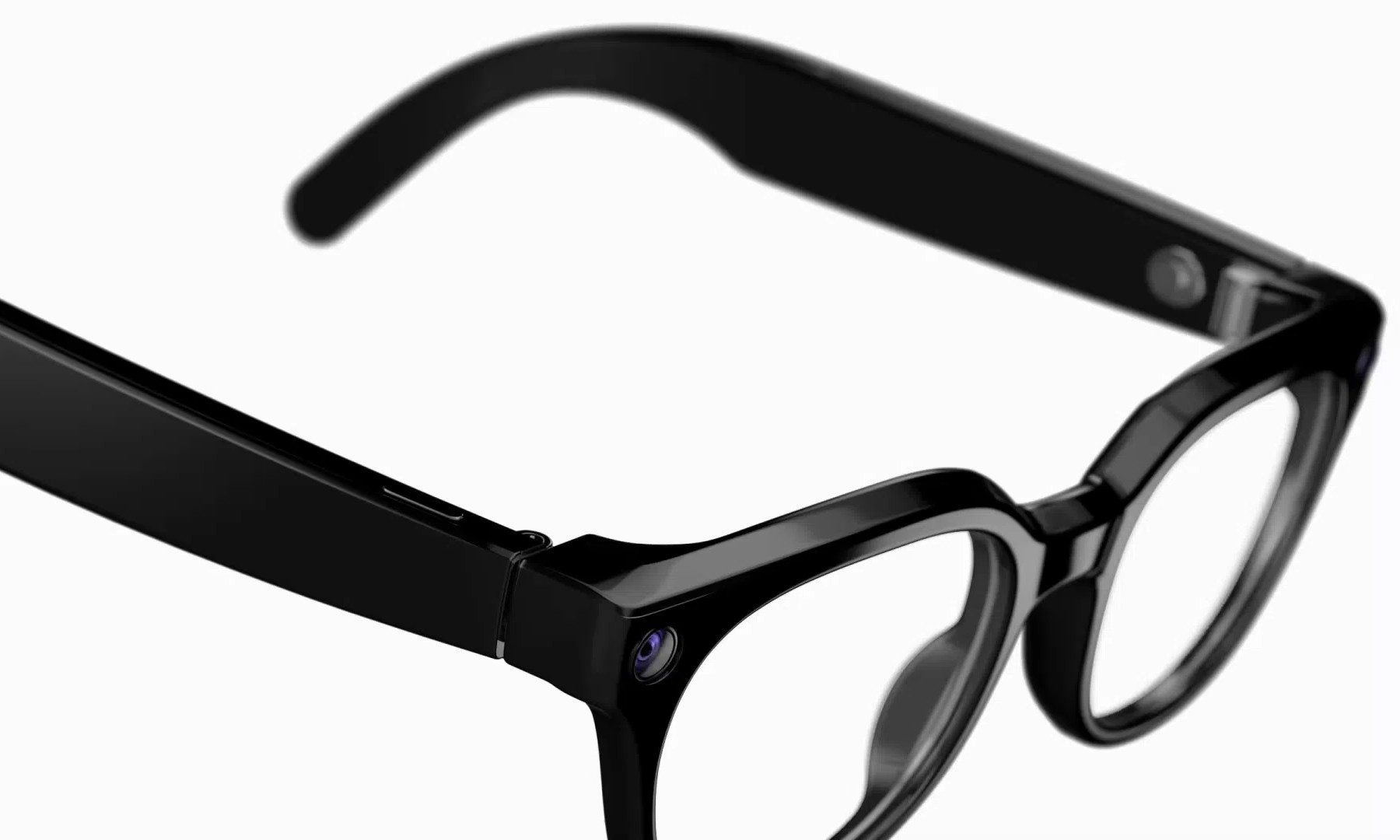
There’s no word on the design of the latest version of Glass, though a patent uncovered at the end of last year suggests the team could be focusing on a sleeker, more minimalist look that eliminates the clutter of earlier iterations.

A report at the end of July suggested Google is already testing a new design for those working in industries such as healthcare, manufacturing, and energy, and is aiming to introduce the device on a wider scale in the fall.

As for a new consumer version, well, after setting aside its first effort, the suggestion is we’re unlikely to see anything until summer 2016 at the very earliest.

Trevor Mogg
Contributing Editor
Not so many moons ago, Trevor moved from one tea-loving island nation that drives on the left (Britain) to another (Japan)…
Samsung’s smart glasses leak shows why your next Galaxy wearable may live on your face
Galaxy Glasses may turn Samsung’s Watch, Ring, and phone into one face-worn ecosystem
Samsung Galaxy Glasses leak

While Samsung already has a bunch of wearables, its upcoming smart glasses might tighten the experience even further. A new leak from SammyGuru offers an early look at the Galaxy Glasses Manager app, the companion app Samsung is expected to use for its new smart glasses.

The leak does not reveal final pricing, battery life, launch date, or every hardware spec. Unlike your typical leak that just hints at a device, the companion app actually makes it sound more real.

Read more
Meta will now charge you for the best AI feature on its smart glasses, and there’s a limit even if you pay
Meta is capping free Conversation Focus use to 3 hours per month, while Meta One Premium raises that to 15.
A person wearing the Ray-Ban Meta smartglasses.

Ray-Ban Meta glasses owners are getting less free use out of one of the glasses' AI features starting this month. Conversation Focus, which isolates and amplifies the voice of the person a wearer is talking to in loud settings, has been capped at three hours of use per month for anyone who doesn't pay for Meta One Premium. Meta confirmed the change on a support page this week, which also notes that a subscription is not required to use the AI glasses in general.

What the new usage tiers actually look like

Read more
OASIS Smart ring hides a trackpad and it lets you whisper-control your computer
OASIS 1 pairs private AI dictation with a tiny trackpad built into the ring itself
OASIS Smart ring Featured on hand

For decades, we've interacted with computers using keyboards, mice, and touchscreens. OASIS thinks it's time for something different. The startup has unveiled the OASIS 1, a smart ring designed for private AI dictation, letting users whisper naturally while a built-in microphone transcribes their words. And when the AI inevitably gets something wrong? There's a tiny trackpad built into the ring to fix it.

A microphone on your finger, a trackpad in the same ring

Read more