  1. Home
  2. Cars
  3. Emerging Tech
  4. News

How the first road-worthy 3D-printed car is made at Local Motors

Add as a preferred source on Google

Arizona-based Local Motors turned to its crowd-sourcing roots for its latest endeavor — a road-worthy 3D-printed car. After selecting a winning design earlier this year from a pool of submissions, the company now is preparing to build and sell its first printed car model, the $53,000 LM3D Swim.

The company selected the Swim design submitted by Ken Lo of Portland, Oregon in July of this year and built a prototype version of the car in September. Almost 75 percent of the car is 3D printed using a blend of 80 percent ABS plastic and 20 percent carbon fiber. And these parts, which include the body panels and other aesthetic components, are customizable, allowing owners to create cars that share the same underlying power train, but look radically different.

Recommended Videos

Local Motors has a lot of experience building cars, even 3D-printed ones. The company made a name for itself with the Rally Fighter, a crowd-sourced off-road vehicle that looks someone bolted a Camaro body on the frame of a jacked-up Ford F150. With the success of the the Rally Fighter under its belt, Local Motors then did a 360 and started pursuing the concept of 3D-printed cars.

At the 2014 International Manufacturing Technology Show in Chicago and this year’s Detroit Auto Show, the company 3D printed a version of its full-sized sporty Strati model. The Strati was built using an electric power train sourced from a Renault Twizya and required only 40 total parts for assembly. It was printed on the show floor in approximately 44 hours.

While the Strati served as a demonstration car, the LM3D Swim will be the first 3D-printed car to hit the highways. Local Motors will begin accepting deposits for the LM3D via a crowdfunding campaign that is expected to open some time in the second quarter of 2016. The company is on track to have crash testing and all other safety certifications completed by the end of 2016, when it will make the car available publicly via retail channels. Once production begins, the company has the capacity to produce up to 2,400 LM3D cars annually.

Kelly Hodgkins
Kelly's been writing online for ten years, working at Gizmodo, TUAW, and BGR among others. Living near the White Mountains of…
Tesla launches the six-seat Model Y Long Wheelbase in the US
The stretched electric SUV brings more space, more comfort, and up to 325 miles of range.
Tesla Model Y Long Wheelbase Featured

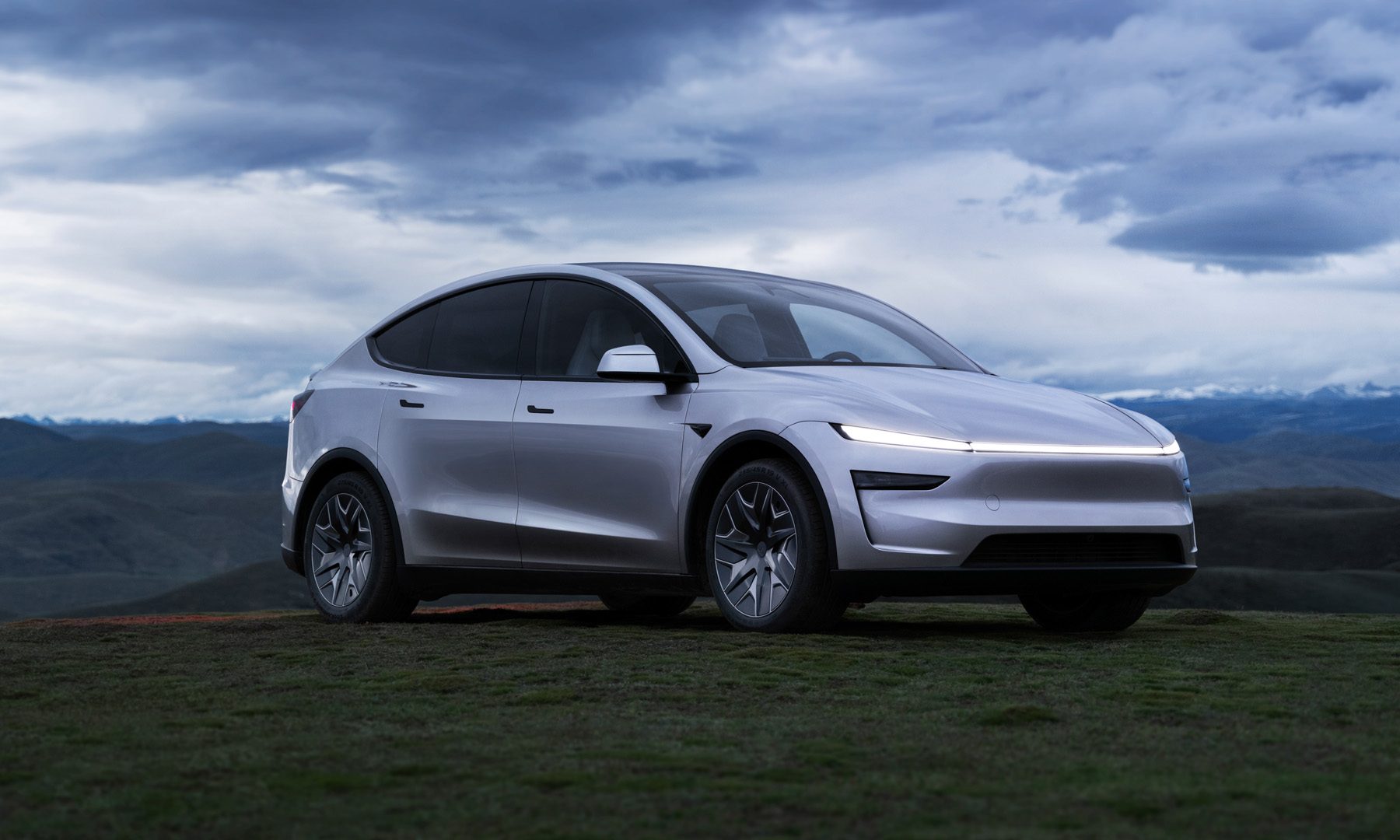
Tesla is giving the Model Y a little more breathing room. The company has officially launched the Model Y Long Wheelbase in the United States and Puerto Rico, introducing a stretched version of its best-selling electric SUV with a three-row, six-seat layout that's designed to make family road trips a lot more comfortable.

A bigger Model Y with a focus on comfort

Read more
A stolen Kia reveals the hidden limits of connected car technology
Kia can see where your stolen car is. GDPR means it won't share that in real time. That is the entire problem.
Kia EV3 design

If you’re buying a car with connected car technology, thinking it would help you to recover it in the event of theft, you might want to recalibrate your expectations. 

A recent incident in the UK, in which a car owner had three tracking devices installed in his car and still couldn’t recover it, led the carmaker to state that connected-car technology isn’t a “certified security vehicle tracker” (via the BBC).

Read more
Cambrige experts find utterly simple fix for longer lasting EV batteries. Just put some pressure on it.
Scientists found a way to make EV batteries last longer without reinventing the battery
EV Charging

EV battery breakthroughs typically involve new chemistry, exotic materials, or faster charging/higher capacity. But a new study reveals that you can skip all the fancy stuff and go with a very simple solution, Researchers from the University of Cambridge found that putting the battery under the right amount of pressure actually helps.

The study was about how physical pressure affects lithium-ion battery life, which found that keeping cells under constant pressure could double their lifespan. The work was published in Nature Energy, and the team says the improvement came without changing the active materials, electrolyte, or basic battery chemistry.

Read more