  1. Home
  2. Computing
  3. News

Dell’s 2-in-1 XPS 12 packs a 4K display and Skylake chip into a fanless system

Add as a preferred source on Google

With Dell’s XPS 13 finding so much success in the marketplace, it only makes sense for the Texas computer manufacturer to continue to capitalize. We’ve seen hints of the slightly smaller, 2-in-1 XPS 12 recently, but now it’s finally real, and you can buy it today.

The XPS 12 is a convertible laptop with a pair of configurations, but however its set up, it’s powered by an Intel Core m5-6Y54. That’s a dual-core Skylake chip with Hyper-Threading, a base clock of 1.1GHz, and a Turbo Boost of 2.7GHz. It’s not the fastest chip in the world, but paired with 8GB of RAM, it’s no slouch either. It’s also supports fanless operation, so the system should basically run silent.

Recommended Videos

Moving away from the CPU and RAM, the two systems start to look increasingly different. While both displays are touch-sensitive, the basic model is a 1080p panel, while the upgraded model boasts 4K UHD resolution. Although no pen is included, Dell says the screens are pressure-sensitive and compatible with the brand’s existing active stylus. Along with the display upgrade, the hard drive is also upgraded from 128GB to 256GB.

Despite the small size and convertible design, the Dell doesn’t skimp in areas where it really counts. Standard 802.11ac and Bluetooth 4.1 are bolstered by a pair of Thunderbolt 3 ports, which support USB 3.1, battery charging, and monitor output, as well as a 3.5mm audio jack and a full-sized SD card reader. The detachable base includes a backlit chiclet keyboard, as well as a precision glass touchpad, a move that’s becoming increasingly popular on smaller systems and 2-in-1s.

The base model of the Dell XPS 12 costs just $1,000, while the upgraded 4K version runs only slightly more at $1,300. That’s a very budget-friendly price, especially when taking the display resolution and decent specs into account. The Dell XPS 13 is already a winner, and it’s likely the XPS 12 will be as well.

Brad Bourque
Brad Bourque is a native Portlander, devout nerd, and craft beer enthusiast. He studied creative writing at Willamette…
How Claude helped my 65-year-old dad finally ditch his handwritten ledgers
AI has a lot to answer for, but this one small win is hard to argue with, at least for me.
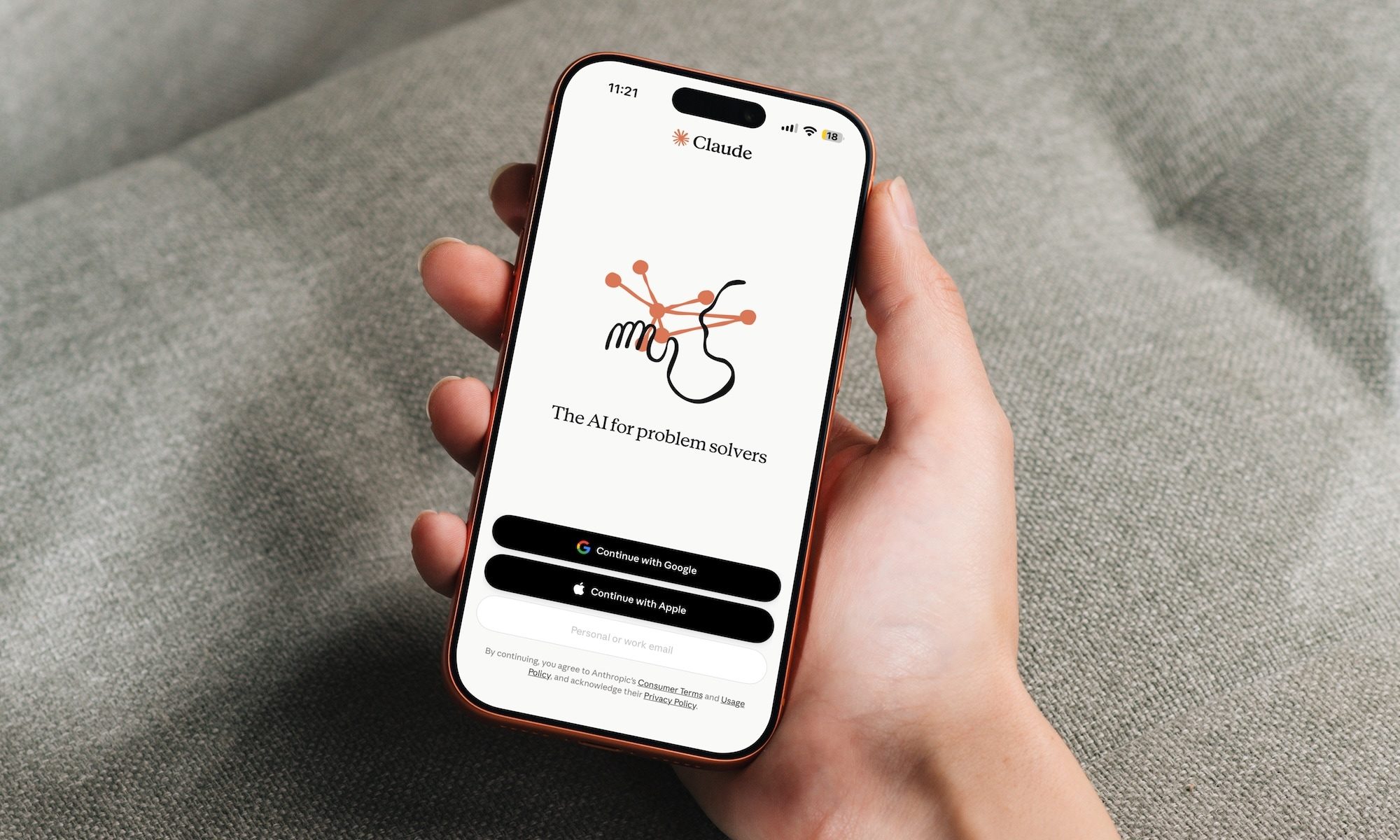
Claude app on iPhone

My dad has owned a small business for as long as I can remember, and for just as long, he's kept his books the old-fashioned way. Every sale gets written down by hand so he can file his taxes later. The problem is that his accountant needs this data in Excel, and my dad, who didn’t grow up around computers, has never learned how to use it.

For years, his workaround was paying someone to manually type his handwritten entries into a spreadsheet. It worked, but it was adding additional cost to his business, which he wanted to avoid, but couldn't.

Read more
AI’s energy tax was already concerning. Research says AI agents are over hundred times worse
AI agents could consume 136 times more energy than today's AI, study finds
AI agents

The AI industry's soaring electricity demand has already become a growing concern for governments, utilities, and technology companies. But a new study suggests the next generation of artificial intelligence could make that problem significantly worse.

Researchers from the Korea Advanced Institute of Science and Technology (KAIST) have published what they describe as the first comprehensive analysis of the energy cost of AI agents - AI systems capable of reasoning, planning, and completing tasks autonomously. Their findings show that these systems can consume up to 136.5 times as much energy per query as conventional generative AI models, raising fresh questions about whether the infrastructure supporting tomorrow's AI is ready for what's coming.

Read more
I hope Apple keeps the MacBook Neo away from the AI hype and preserves its true identity
The cheapest MacBook beats the cheapest AI MacBook.
Computer, Electronics, Laptop

If there's one thing that has disrupted consumer tech economics over the last year while changing how we understand and recommend products, it's the ever-rising cost of memory and chips. 

The desperate need to scale up AI infrastructure has pushed major manufacturers to prioritize enterprise demand, leaving everyday consumers with far fewer choices. Those available cost significantly more than they did a year ago.

Read more