1. Home
  2. Phones
  3. Mobile
  4. News

WhatsApp goes free, says $1 annual charge was a barrier for some users

Add as a preferred source on Google

WhatsApp founder Jan Koum has announced the messaging service will remove the $1 annual charge, making the app completely free to use.

At the DLD Conference, Koum said that the charge prevents a lot of people from using the service, especially those without access to a credit or debit card. The annual charge also wasn’t very popular, according to Koum, with users worried the payment might be for naught if WhatsApp discontinues the service.

Recommended Videos

The move makes sense, considering WhatsApp’s core user base. India, Indonesia, and Brazil are three of the main countries for the messaging service, and are all developing countries that boast high usage numbers, but low revenue numbers.

Koum said the change goes into effect today, but anyone that just resubscribed for another year will not be able to receive a refund. WhatsApp has not said how many of its users have subscribed in the past month — we assume the number is quite low.

With its main source of revenue now out of the window, WhatsApp intends to integrate businesses more heavily into the service. The company — which is a part of Facebook’s growing social empire — will test tools that allow businesses to contact interested users. This is similar to Facebook’s Messenger feature that allows businesses to get in contact with users, receive feedback, and also offer customer support all through the application.

WhatsApp does not plan to implement adverts on its messaging service, which is a relief for users that are sick of mobile advertising. While not mentioned by Koum, we wonder if business accounts like Google and Microsoft offer are being tested internally, or a Pro account with additional value for users that can afford it.

Facebook acquired WhatsApp in late 2014 for $19 billion, the most the social network has paid in an acquisition. Since then, both WhatsApp and Messenger have grown to first and second most popular messaging platforms, with close to 1 billion and 800 million active monthly users, respectively.

David Curry
Former Contributor
David has been writing about technology for several years, following the latest trends and covering the largest events. He is…
OnePlus is gone, and Android phones just became more boring in the US
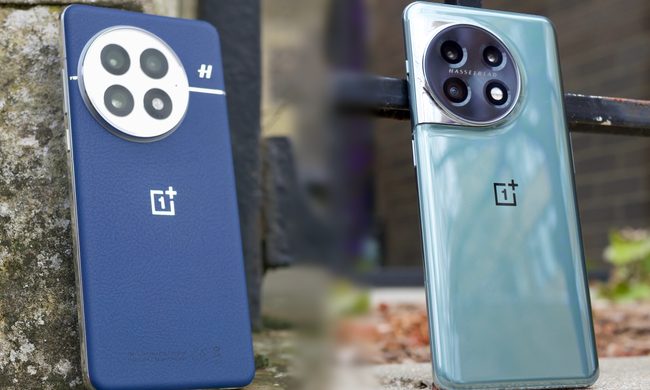
OnePlus 13 vs OnePlus 11.

I wasn't expecting a smartphone brand's exit to hit me this hard, but OnePlus leaving the US and Europe genuinely did. The company has already confirmed that it will no longer launch new products in either market, although existing customers will continue receiving software updates and after-sales support. So while OnePlus isn’t disappearing altogether, it is walking away from two of the biggest smartphone markets in the world.

To be honest, the Android market in the US already feels limited. If you’re shopping for a flagship, your realistic choices almost always begin with Samsung and end with Google. OnePlus was one of the very few brands sitting in between, offering something that didn’t quite look or feel like everything else. And that’s exactly what I’m going to miss.

Read more
A niche iPhone browser quietly fixes my biggest problem with Google Search
Quiche Browser open on iPhone

If there's a new browser, email app, or note-taking app to try, chances are I've already installed it. Like every other productivity nerd, I'm always chasing the perfect setup. That's how I stumbled upon Quiche Browser. It was already close to replacing the Arc Search for me on the iPhone, but its latest update finally pushed it over the edge, earning it a spot as my default browser.

What makes Quiche so good

Read more
Google has to play fair with AI rivals on Android, and that could be good news for your wallet
A new ruling strips Gemini of its exclusive access to deep Android integration, opening the door for cheaper AI models to offer similar functionality for less.
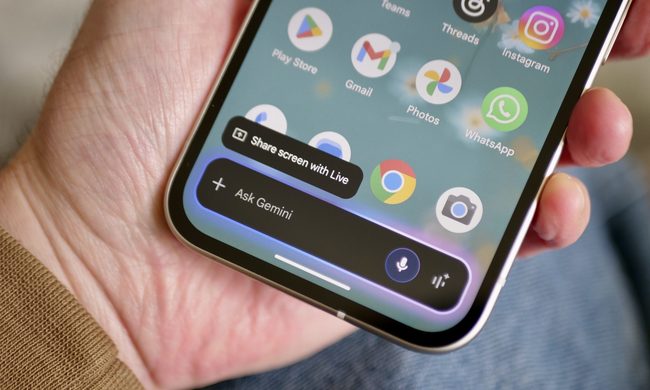
A person using Google Gemini on the Google Pixel 9a.

After forcing Google to open up Android to third-party app stores, the EU is back with a new target, and this time it's Gemini's home-field advantage. The European Commission ordered Google on July 16 to give rival AI apps the same deep access to Android that's currently exclusive to Gemini. The order falls under the EU's Digital Markets Act (DMA), and it directs Google to stop treating its own assistant as a first-class citizen on a platform it controls.

What Google now has to hand over

Read more