1. Home
  2. Emerging Tech
  3. News

Citing fire concerns, NY City bans hoverboards from all subways, trains, and buses

Add as a preferred source on Google

While it’s fair to say that most hoverboards do not suddenly catch fire and burn down homes, there is clearly a problem with sub-standard units hitting the market, a few of which do suddenly catch fire and burn down homes.

Rather than risk an on-board fire at 36,000 feet, a number of airlines have already banned passengers from taking the board onto their planes.

Recommended Videos

And now NY City’s Metropolitan Transportation Authority (MTA) has announced that it, too, is no longer allowing the device on any of the systems it operates, including the entire subway network, all NY City buses, and the Long Island Rail Road.

In a message aimed at convincing its users of the ban’s necessity, the MTA referred to a recent alert issued by the U.S. Pipeline and Hazardous Material Safety Administration which stated that “under certain conditions, lithium batteries can pose a heat, fire, and explosion risk.” The MTA added that the organization had found that “80 percent of hoverboards in a study did not have proper certification of battery testing.”

NY City’s transportation authority was also keen to point out that its safety rules have “long prohibited the use of personal wheeled vehicles, such as skateboards, skates or scooters, in train stations,” and in addition said that it prohibits people from taking “hazardous or flammable materials into the public transportation network, and the lithium-ion batteries used to power hoverboards pose the risk of fire.”

Amtrak, LA’s Metrolink, and Chicago’s Metra are among other transportation services to have already banned the beleaguered board.

News of the MTA’s ban comes as customs officials in Chicago announced they’d seized more than 17,000 counterfeit boards – a number of which came from China – as part of efforts to eliminate dangerous or fake units from the U.S. market

The machine, which in reality hovers as well as an ostrich flies, was a big hit over the holiday season, but reports of sudden fires have brought it to the attention of a number of U.S. agencies.

The Consumer Product Safety Commission (CPSC), which is currently conducting an in-depth investigation into the personal transporter, says it’s so far received reports of 39 hoverboard fires in 19 states. The situation has prompted it to advise owners to keep a fire extinguisher with their board at all times. Just in case.

Trevor Mogg
Contributing Editor
Not so many moons ago, Trevor moved from one tea-loving island nation that drives on the left (Britain) to another (Japan)…
Yet another study says AI is bad for elections, and the rabbit hole gets worse
AI may be an election bomb waiting for someone to light the fuse
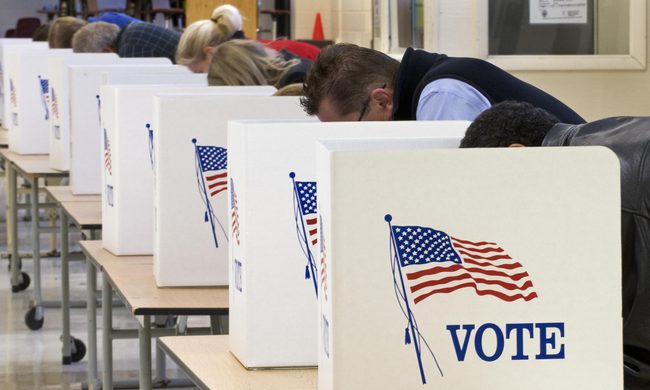
Voters cast their ballots on Election Day

Another election, another study has concluded that asking an AI chatbot for political guidance is a spectacularly bad idea. Research conducted during Hungary’s 2026 parliamentary election found that ChatGPT and Google Gemini offered not just inaccurate but also inconsistent and unreliable voting advice. The chatbots misclassified voter profiles, overlooked relevant parties, recommended parties absent from the ballot, and sometimes produced materially different answers when given the same information repeatedly.

AI keeps failing the voter test

Read more
Samsung’s humanoid robot ambitions are real, but factories come first
Samsung’s new robotics division has humanoids in its sights, although its immediate business is far more practical factory automation
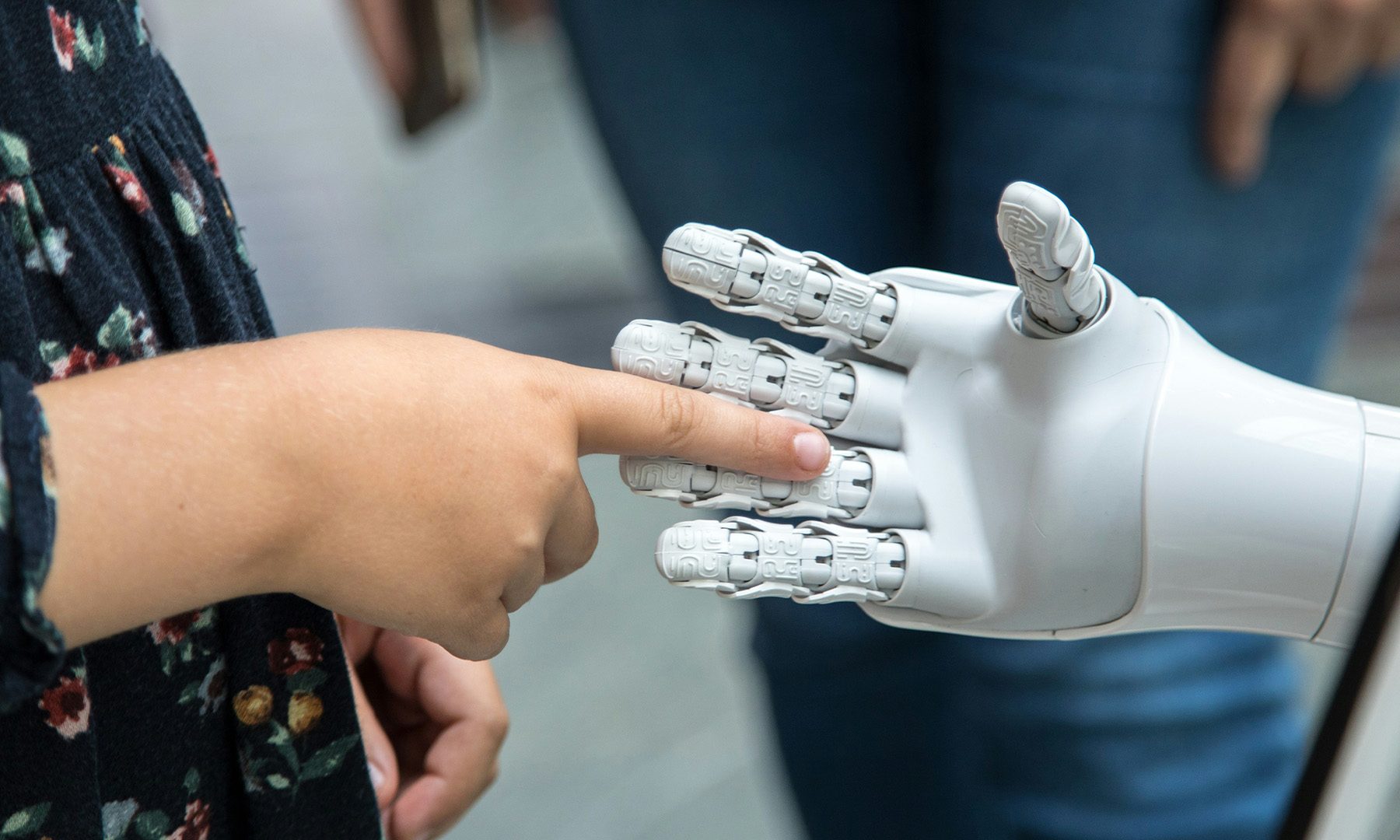
Robot Touch Human Finger

Samsung wants a place in the humanoid race, but its new robotics push begins with machines built for factories rather than homes.

The CEO-led RX robotics division will initially focus on manufacturing robots. Samsung has separately identified humanoids as a priority, although it hasn’t announced a commercial model or explained where one fits into the division’s immediate plans.

Read more
The future of AI may depend on this one behind-the-scenes change
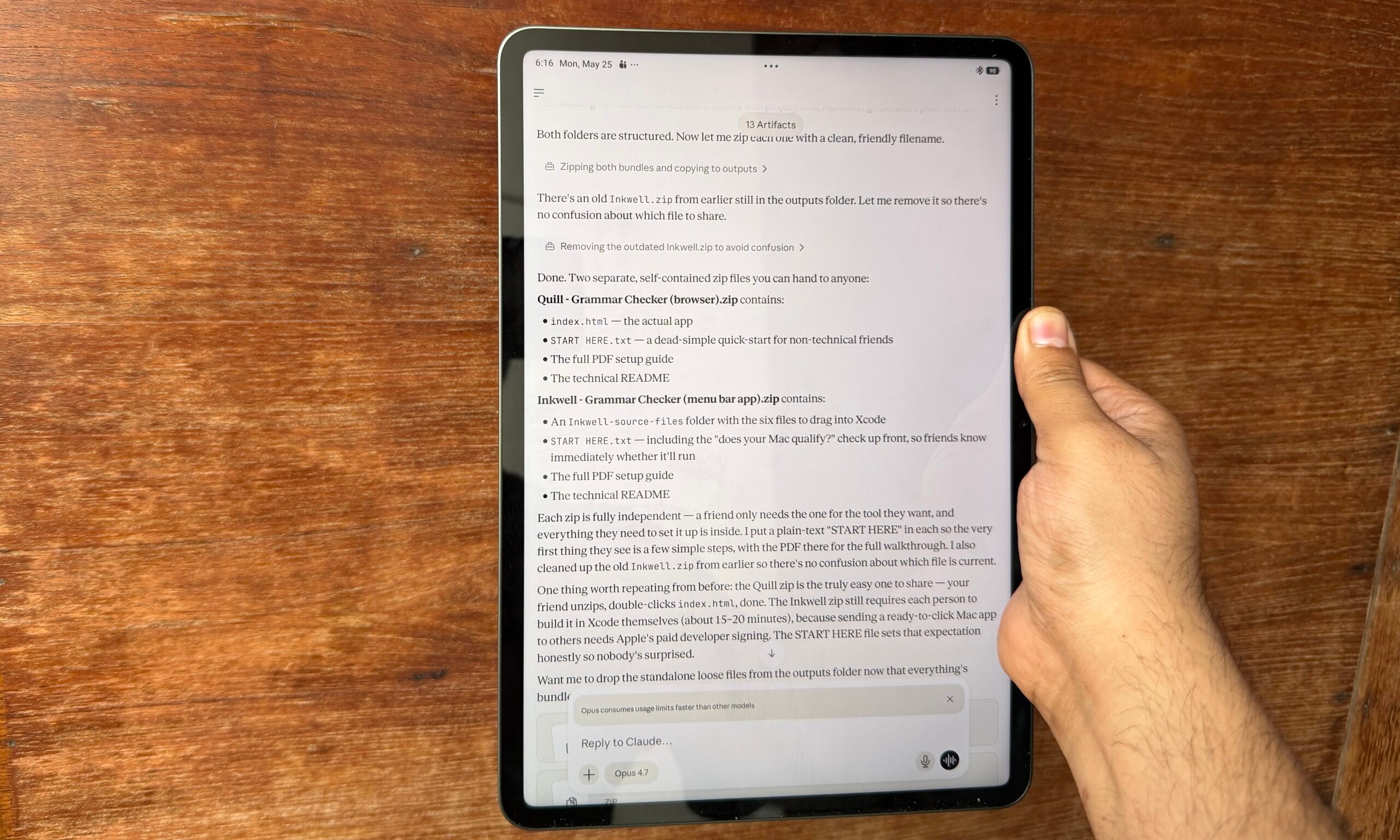
Running Claude on Android.

Whenever a new AI model arrives, it's easy to get caught up in the bells and whistles. We talk about how much smarter it is, how quickly it answers questions, or how realistic its images have become. But here's the thing: none of that matters much if the AI can't reliably work with the apps and services people use every day.

That's why an upcoming update to the Model Context Protocol (MCP) caught my attention. It isn't a new chatbot or a fancy AI model. In fact, most people will never even know it's happening. But it could quietly make the AI ecosystem a lot healthier. If you've never heard of MCP before, don't worry. Think of it as a shared language that lets AI assistants safely talk to apps like Gmail, Slack, calendars, databases, and countless other services. Instead of every company inventing its own way to make those connections, MCP gives everyone a common rulebook.

Read more