1. Home
  2. Phones
  3. Mobile
  4. News

iPlum lets you call internationally for as low as one cent per minute

Add as a preferred source on Google

Traveling internationally is pricey enough as it is, but international roaming can send the cost soaring even higher — T-Mobile’s calling rates, for example, range from $1.99 (Aruba) up to $10.79 (Diego Garcia) per minute. That’s where iPlum comes in: by leveraging your phone’s Internet connection, the service is able to offering dramatically lower rates than many of its competitors — as cheap as one cent per minute.

It works like this: You install the iPlum app on your smartphone or tablet, then sign up for an international calling pass. For $1 a month, you can place encrypted calls over a Wi-Fi or cellular connection from anywhere in the world at low per-minute rates, and calls to other iPlum users for free. You get a real U.S. phone number that others can use to reach you, plus a bevy of extras including unlimited toll-free calling to the U.S., the ability to send and receive text messages, and a second, “virtual” phone number for privacy.

Recommended Videos

iPlum’s conceit — cheap voice-over-Internet — isn’t original. Apps like Whatsapp and Viber operate in much the same way, running atop a data connection to carry voice to and from your handset. But those services require that all calling parties download an app, a difficult proposition for landline users. Some VoIP alternatives such as Vonage and Skype offer international landline calling, but usually at inflated rates; a pay-as-you go Skype call to a landline Germany, for example, costs 2.3 cents per minute.

iPlum has its downsides. Its reliance on an Internet connection puts it at a competitive disadvantage to companies like Rebtel and Ringo, which offer cheap international calls over local cellular connections. But compared to major U.S. carriers, iPlum’s pricing ain’t bad: an entry-level international calling add-on costs $10 per month on T-Mobile and $30 on AT&T.

iPlum is compatible with Android and iOS, and is available from the Google Play and App Store.

Kyle Wiggers
Kyle Wiggers is a writer, Web designer, and podcaster with an acute interest in all things tech. When not reviewing gadgets…
TSMC might set up a price hike that could come straight for your next phone, laptop, or tablet
Here's what TSMC's rumored 10% chip price increase actually means in dollar terms, and why your next phone or laptop could end up costing more.
TSMC Fab

My wallet flinched the second I saw the words "TSMC" and "price increase" in the same headline, and honestly, yours should too.

Turns out the company behind the silicon powering basically every flagship device out there, including Apple’s A-series and Qualcomm’s Snapdragon processors, is reportedly about to make all of it a little pricier.

Read more
Samsung’s free storage doubling for preorders is gone in Austria, and the replacement isn’t as sweet
Samsung's free storage doubling deal might just be history.
The back of the Galaxy Z Fold 7

If you've pre-ordered a Samsung foldable purely for the free storage bump, tomorrow's Unpacked event might sting a little.

For years, pre-ordering a new Galaxy meant automatically getting double the storage at no additional charge. Buy the 128GB model, walk away with 256GB for the same price. The same applied to the 256GB and 512GB models. However, that might change at the upcoming Galaxy Unpacked event. 

Read more
Apple fixes Hide My Email bug that exposed users’ real email addresses
Here's how Apple's Hide My Email flaw leaked real addresses for over a year, and why it only got fixed once the story went public.
apple-merging-sign-in-with-apple-hide-my-email-icloud+

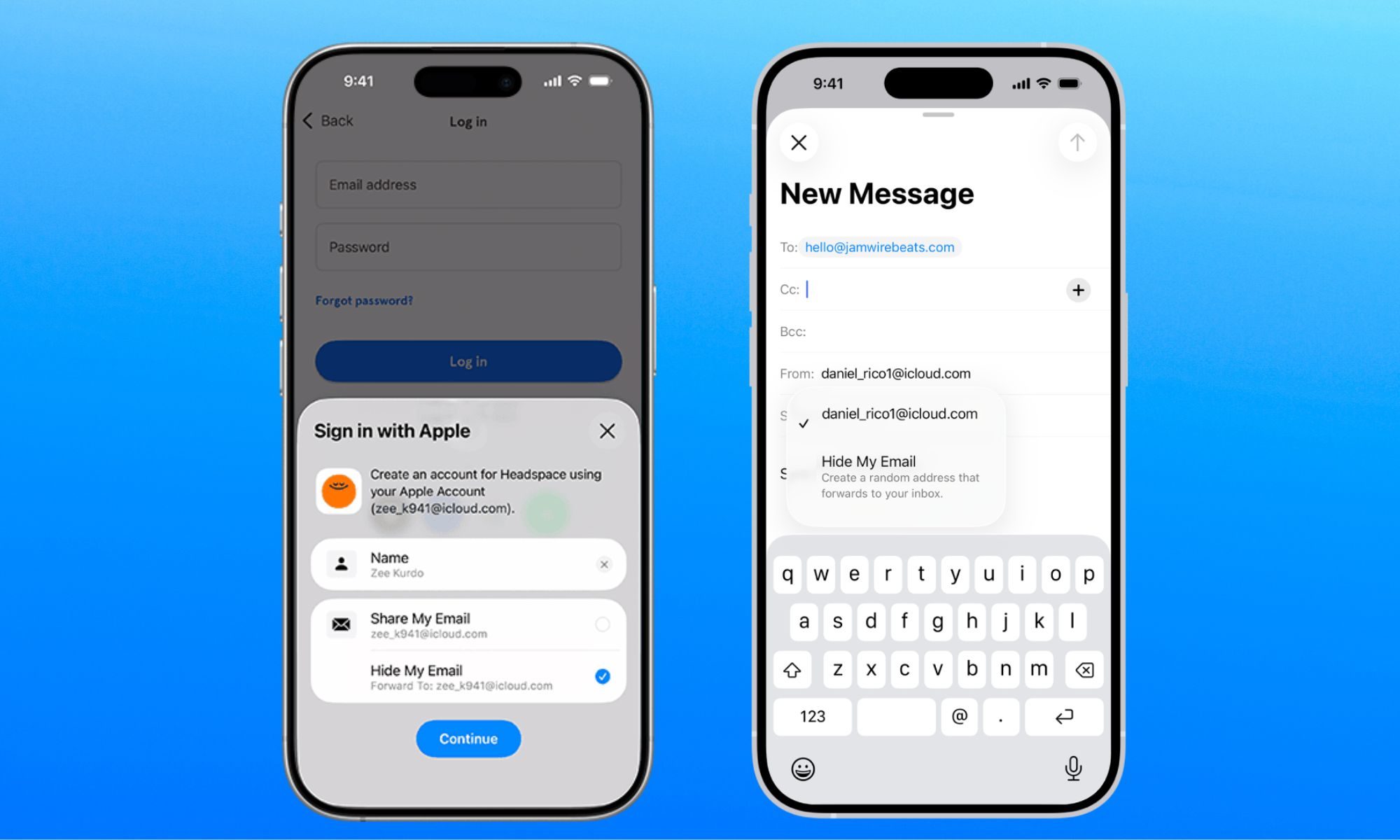
Turns out the "Hide" part of Hide My Email wasn't doing its job quite as advertised, something that I covered early in July. Security researcher Tyler Murphy reported the flaw in June 2025, but despite Apple claiming it was resolved in March 2026, independent tests confirmed it remained exploitable, at least until July 3, 2026.

So how did this bug actually work?

Read more