  1. Home
  2. Phones
  3. Mobile
  4. News

FTC warns 12 Android developers for baking software listening for TV ads into apps

Add as a preferred source on Google

The Federal Trade Commission (FTC) has issued warnings to 12 Android developers for including software that listens for signals in certain television commercials in their apps without letting users know about it. The listening software could monitor TV viewing habits when the app in question is not in use and produce detailed logs of TV content viewed by a user.

“These apps were capable of listening in the background and collecting information about consumers without notifying them,” said Jessica Rich, director of the FTC’s Bureau of Consumer Protection. “Companies should tell people what information is collected, how it is collected, and who it’s shared with.”

Recommended Videos

Silverpush, the software in question, uses “audio beacon” technology to recognize inaudible audio watermarks in TV ads. While the company behind the software, which goes by the same name, said Silverpush isn’t used in the U.S., it encourages app developers to let users know that their Silverpush-enabled apps could allow third parties to monitor their TV viewing habits.

Part of the blame, of course, falls on users who download these apps from the Google Play Store and actively give them permission to use their Android device’s microphone.

While the FTC sent letters to 12 app developers, chances are good that that doesn’t cover all developers baking Silverpush into their apps. In November, Addons Detector shared an analysis that found 27 unique apps in the Google Play Store with the Silverpush software development kit (SDK). Of that number, 11 were no longer found on the Play Store, leaving 16 live apps with Silverpush.

Jason Hahn
Former Contributor
Jason Hahn is a part-time freelance writer based in New Jersey. He earned his master's degree in journalism at Northwestern…
OnePlus is building another flagship monster for a shrinking audience, and its expected to launch in October
OnePlus 16 could launch in October, but it may not leave China
Rear shell of OnePlus 15.

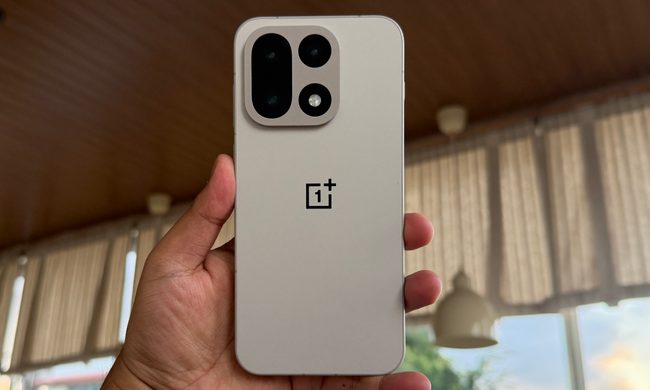
While OnePlus may have exited the US and Europe, the brand is still alive in its home market and is already working on its next flagship smartphone. A fresh leak from Chinese tipster Digital Chat Station has now revealed more details about the OnePlus 16, including its design and a revised launch timeline.

The tipster previously claimed that the phone would arrive in September 2026, but the latest information points to an October launch in China (via Gizmochina). The global picture is far less clear, and there is now even some doubt over whether the OnePlus 16 will make it to India, which remains the company’s biggest market.

Read more
Samsung has another wild foldable phone lined up for 2027 and it will excite screen connoisseurs
Samsung wants another giant OLED folding inside your pocket
Samsung Galaxy TriFold unfolded

Samsung just gave foldable fans a wider 4:3 canvas with the Galaxy Z Fold 8. But that still isn't enough screen for the company. Samsung has reportedly begun early development of a successor to the Galaxy Z TriFold, its dual-hinged phone that unfolds into something much closer to a proper tablet.

According to Korean publication ETNews, Samsung has already shared information about the next-generation project with suppliers, but its final specifications have yet to be decided. One detail should immediately grab the attention of anyone who buys a foldable primarily for its display. A source familiar with the project told ETNews that Samsung is currently targeting a screen size similar to the original TriFold.

Read more
Android’s most powerful app permission could soon come with a much scarier warning
New Android 17 language spells out how trusted apps may interact with your screen while your device remains locked
Electronics, Mobile Phone, Phone

Android 17 could make one of its most powerful app permissions harder to approve without a second thought. New warning text explains that trusted apps may view and interact with screen content, even while the phone is locked.

Nerd’s Chalk uncovered the language in an APK teardown of Android 17 QPR2 Beta 1. The feature isn’t active, but Google’s description now leaves considerably less to the imagination.

Read more