1. Home
  2. Computing
  3. News

Acer is coming to help make this amazing VR headset less virtual, and more reality

Add as a preferred source on Google

The StarVR headset has taken another step closer to actual reality, after a partnership between its maker, Starbreeze, and well-known electronics manufacturer Acer was announced. Starbreeze and its very high-spec VR headset recently captured headlines when we learned about its exciting StarCade VR arcade game hall project. Set to open in the near future, it’s likely visitors will wear the device to play some titles, or watch Starbreeze-created content.

Acer will work with Starbreeze to design, manufacture, and promote the Star VR headset, but probably not to you and me. It’s seems the partnership will be to encourage business customers to buy the headset, ready to use in their own VR exhibitions and attractions. Starbreeze is a games and entertainment software company — its currently working on the John Wick VR game — and is responsible for The Walking Dead VR experience.

Recommended Videos

The StarVR headset is exciting. The visible screen gives a 210 degree field of view, while the resolution is 5120 x 1440 pixels. Both these aspects are considerably better than those found on the Oculus Rift and the HTC Vive. However, specs like this require some serious computing power to operate, and some impressive content to stand out. The headset was revealed at the E3 game show last year.

starvr
Image used with permission by copyright holder

This isn’t Acer’s first step into VR either. Recently it announced the Acer Predator 17 X gaming laptop computer, which uses the Nvidia GTX 980 desktop graphics card for real VR power, plus a partnership with Razer and Sensics on the Open Source Virtual Reality platform. The company’s interest in VR has been going on for a while. Last year, it came out with the Predator G6-710 desktop computer with 64GB of RAM, and the Nvidia GTX 980 graphics card inside, making it ideal for VR use.

Both Acer and Starbreeze are highly motivated in the world of VR, but there’s no information on when the StarVR will be ready to put on our heads.

Andy Boxall
Andy has written about mobile technology for almost a decade. From 2G to 5G and smartphone to smartwatch, Andy knows tech.
Deepfake bosses are crashing video calls, and researchers are trying to expose them
Seeing your boss on video no longer proves they are real
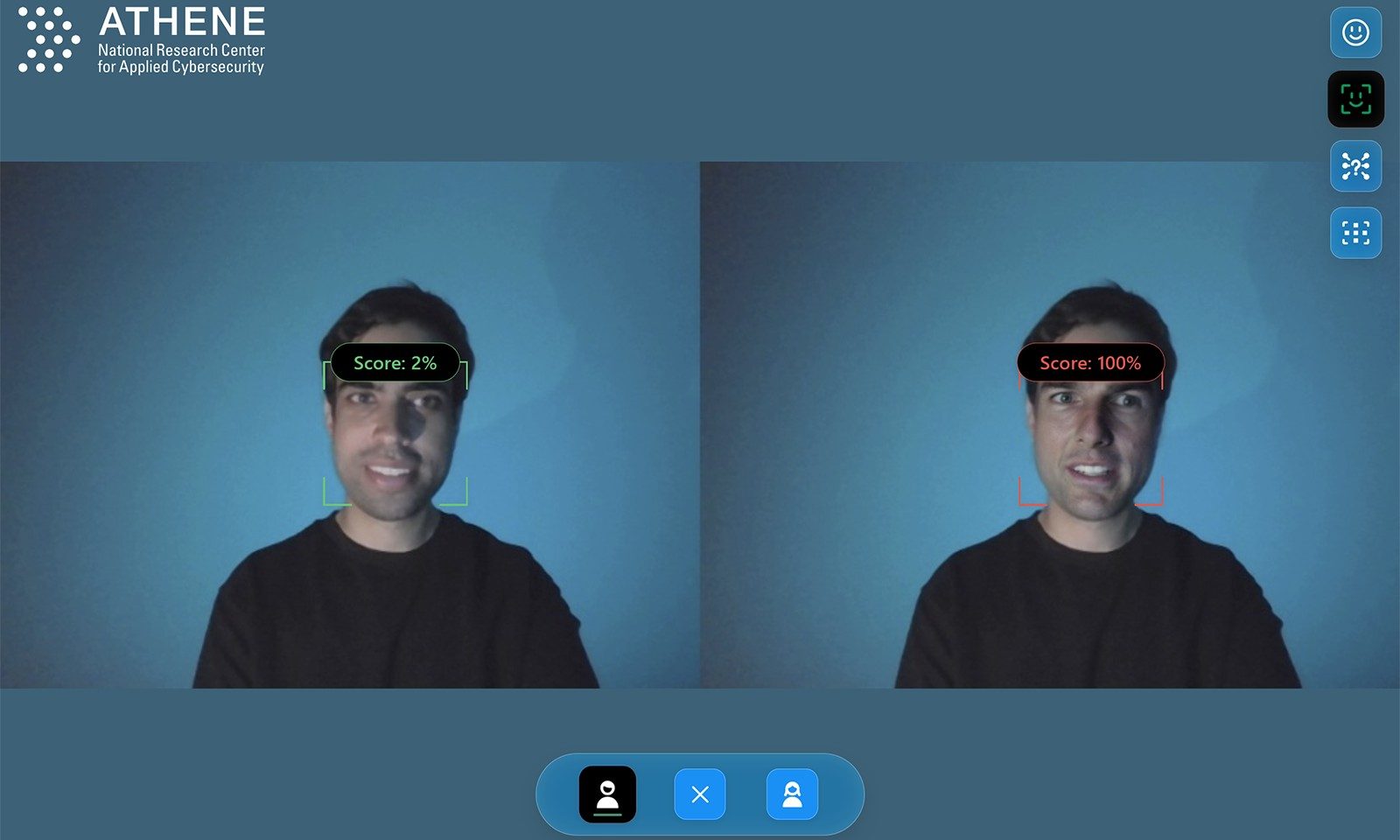
Researchers at Fraunhofer SIT are fighting against deepfake meeting video calls

Entering into a meeting with your boss and several familiar coworkers inside a video conference is the next area vulnerable to cybercrimes, and it's all because of deepfake technology. Researchers at the Fraunhofer Institute for Secure Information Technology SIT are working on a real-time warning system designed to identify attempted fraud during corporate video conferences.

The report states that criminals are increasingly targeting video meetings for identity theft and financial scams, taking advantage of the trust people place in familiar faces and voices. The intention is to flag suspicious activity while the meeting is still taking place. This gives an employee a chance to stop before following an expensive instruction from an AI-generated executive.

Read more
Apple will finally stop making iPhone-to-Windows copy-paste such a chore
Your iPhone may finally copy and paste with a Windows PC like it should
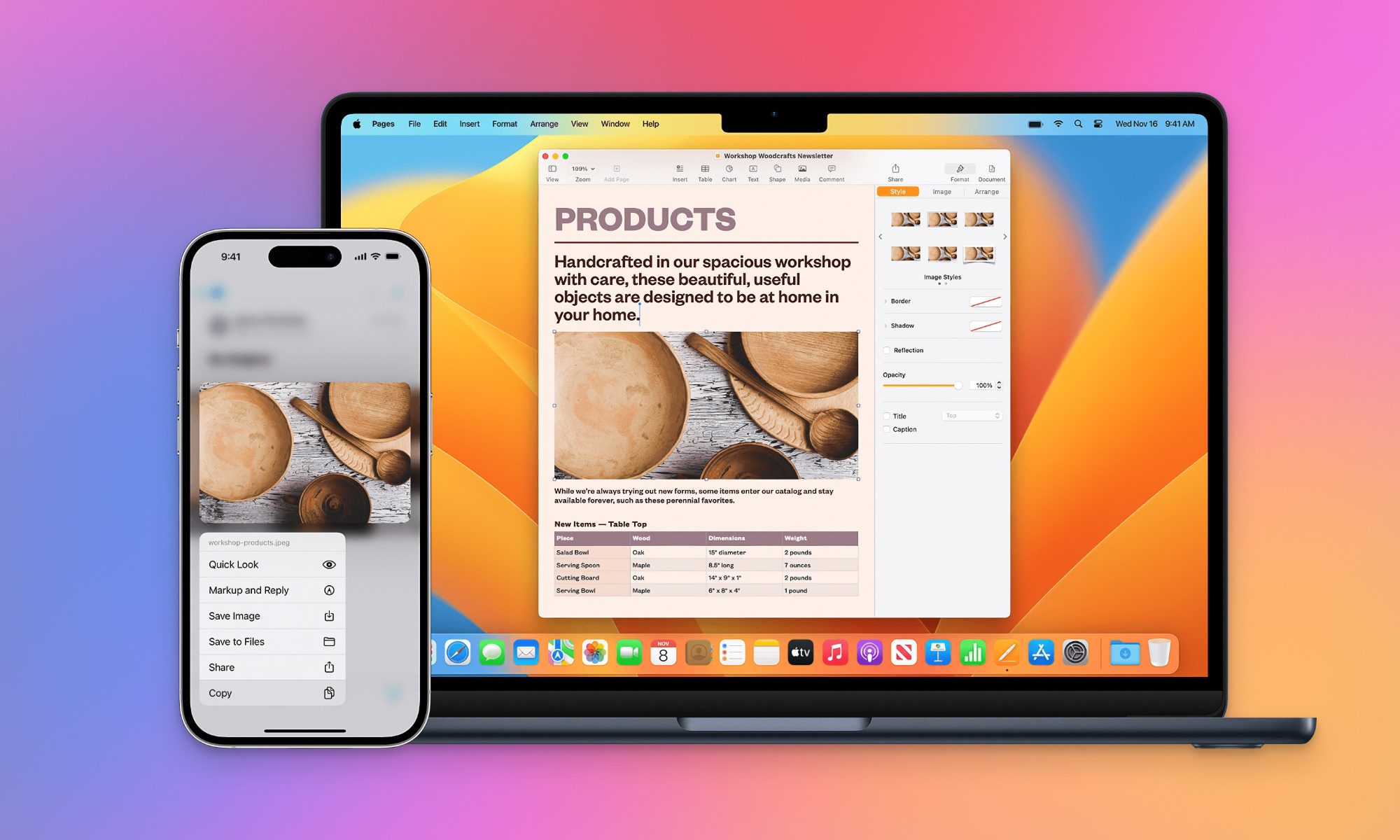
Apple Universal Clipboard feature

Copying something on an iPhone and pasting it onto a Windows PC should be one of the least remarkable features imaginable. While this simple process seems effortless between an iPhone and Mac, Windows users are still left waiting.

Now, Microsoft is formally asking Apple to provide interoperable clipboard access through the company’s European Union interoperability process. The request, submitted on March 25, argues that iOS restrictions prevent third-party platforms from creating an experience comparable to Apple’s Universal Clipboard. Apple has now reached Phase III and committed to developing a solution.

Read more
Chrome wants more extension reviews, but good ratings won’t keep malware out
Google is testing built-in extension review prompts, but good ratings can still hide malware
malicious-google-chrome-extensions-on-web-store

Google is preparing to add extension review links directly inside Chrome, putting feedback closer to the menus people already use to manage their add-ons.

A Chromium change, first spotted by Windows Report, points to review options in the Extensions menu, the chrome://extensions management page, and extension context menus. Only eligible Chrome Web Store extensions in good standing would qualify, and the feature is still under development.

Read more