1. Home
  2. Computing
  3. News

Microsoft Research project could bring quality VR to phones

Add as a preferred source on Google

VR hardware looks poised to make a huge impact over the next couple of years, but there’s still the question of how to expose mainstream audiences to this type of experience. Samsung and Google have found some success by using smartphone hardware to power the content, and now it seems Microsoft might be following suit.

Next month, a team comprised of representatives from Microsoft Research and Rice University will present a paper called FlashBack: Immersive Virtual Reality on Mobile Devices via Rendering Memorization at the MobiSys 2016 conference in Singapore. This report details new methodology that could make it easier for hardware like smartphones and low-end PCs to run VR content well.

Recommended Videos

The concept hinges around the user’s perspective, according to a report from WinBeta. Instead of rendering 3D objects in real-time, the FlashBack system would utilize a library of compressed frames that look at the object from all possible angles.

Basically, whenever the user looks at a 3D object, they’re actually looking at a still image of it taken from their perspective. The device would only render what the user can see from that angle, which cuts down on all non-essential rendering of the wider environment.

The tests detailed in the paper demonstrate that FlashBack could make VR available to a much wider range of hardware. A prototype version apparently offered sizable improvements over a locally-rendered VR set-up, making framerates eight times better while reducing energy consumption per frame by a factor of 97 (remarkably), and reducing latency by a factor of 15.

However, there’s some way to go before FlashBack is ready to be implemented. Restrictions relating to file sizes and methods of compression mean the system isn’t quite ready for a mass rollout — but once these issues have been ironed out, FlashBack could help Microsoft bring VR to the masses.

Brad Jones
Brad is an English-born writer currently splitting his time between Edinburgh and Pennsylvania. You can find him on Twitter…
Deepfake bosses are crashing video calls, and researchers are trying to expose them
Seeing your boss on video no longer proves they are real
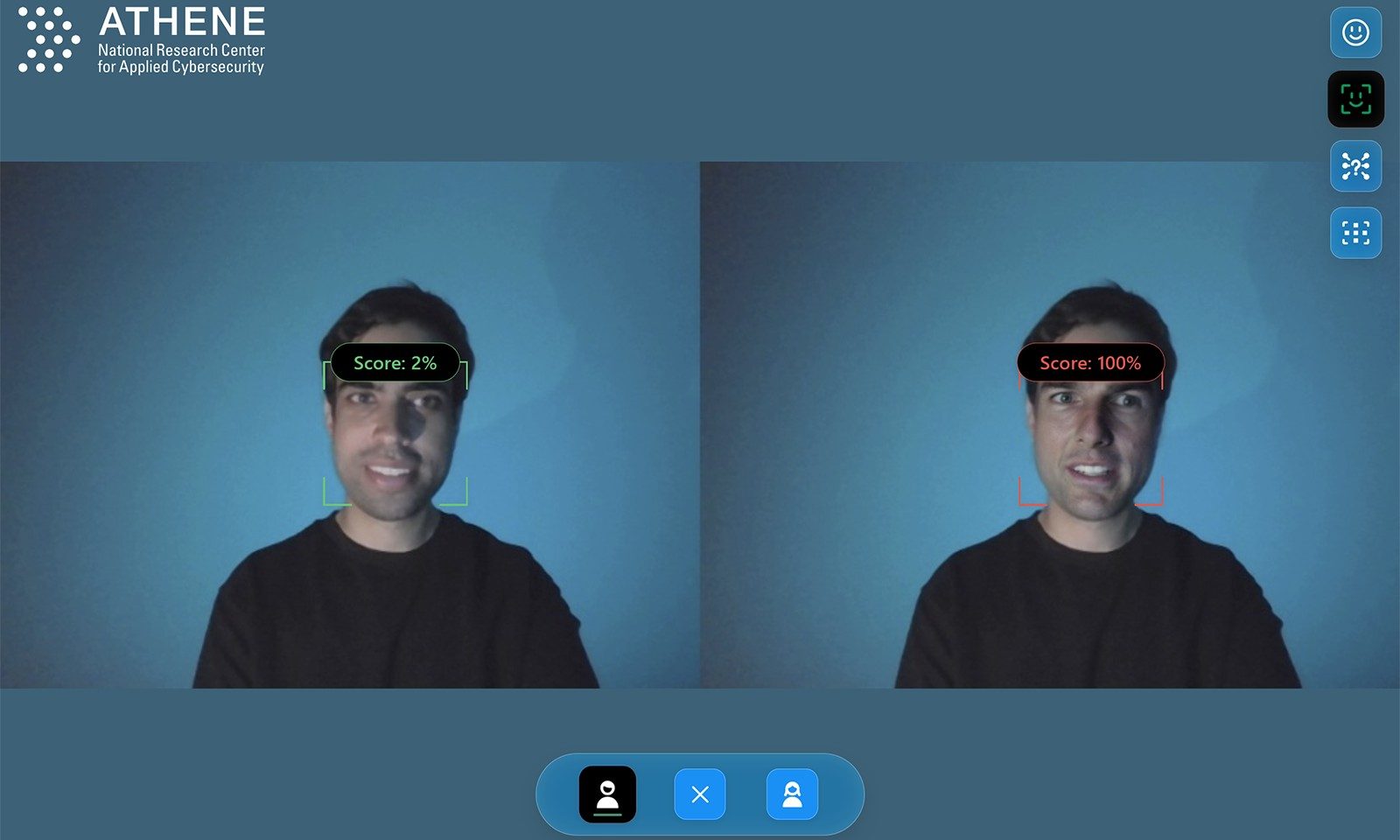
Researchers at Fraunhofer SIT are fighting against deepfake meeting video calls

Entering into a meeting with your boss and several familiar coworkers inside a video conference is the next area vulnerable to cybercrimes, and it's all because of deepfake technology. Researchers at the Fraunhofer Institute for Secure Information Technology SIT are working on a real-time warning system designed to identify attempted fraud during corporate video conferences.

The report states that criminals are increasingly targeting video meetings for identity theft and financial scams, taking advantage of the trust people place in familiar faces and voices. The intention is to flag suspicious activity while the meeting is still taking place. This gives an employee a chance to stop before following an expensive instruction from an AI-generated executive.

Read more
Apple will finally stop making iPhone-to-Windows copy-paste such a chore
Your iPhone may finally copy and paste with a Windows PC like it should
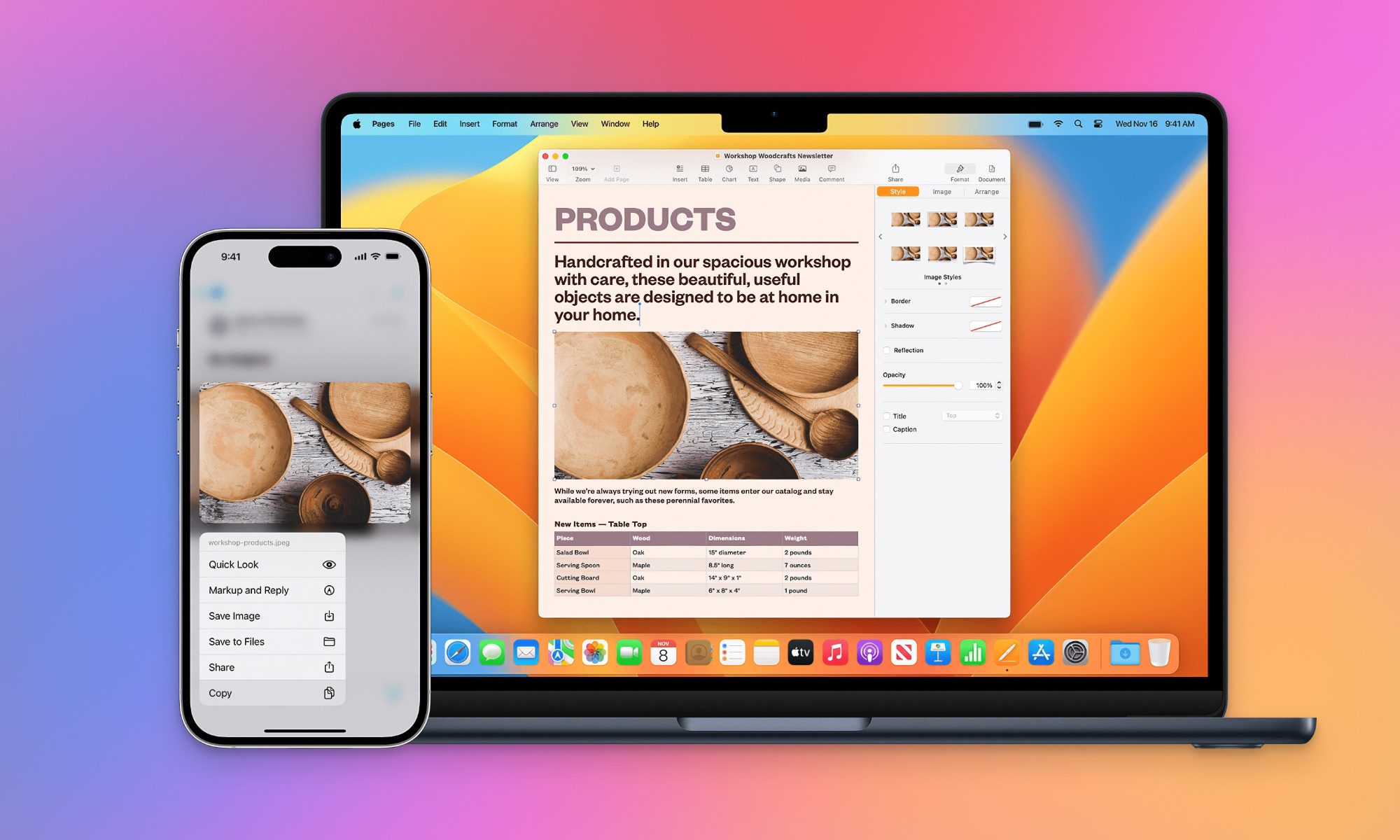
Apple Universal Clipboard feature

Copying something on an iPhone and pasting it onto a Windows PC should be one of the least remarkable features imaginable. While this simple process seems effortless between an iPhone and Mac, Windows users are still left waiting.

Now, Microsoft is formally asking Apple to provide interoperable clipboard access through the company’s European Union interoperability process. The request, submitted on March 25, argues that iOS restrictions prevent third-party platforms from creating an experience comparable to Apple’s Universal Clipboard. Apple has now reached Phase III and committed to developing a solution.

Read more
Chrome wants more extension reviews, but good ratings won’t keep malware out
Google is testing built-in extension review prompts, but good ratings can still hide malware
malicious-google-chrome-extensions-on-web-store

Google is preparing to add extension review links directly inside Chrome, putting feedback closer to the menus people already use to manage their add-ons.

A Chromium change, first spotted by Windows Report, points to review options in the Extensions menu, the chrome://extensions management page, and extension context menus. Only eligible Chrome Web Store extensions in good standing would qualify, and the feature is still under development.

Read more