1. Home
  2. Phones
  3. Mobile
  4. News

Digital Trends may earn a commission when you buy through links on our site. Why trust us?

How much would it cost to build the iPhone in the US? MIT crunched the numbers

Add as a preferred source on Google

Critics have long targeted Apple for failing to assemble many of its products in the U.S., and while the company did launch a “Made in America” campaign for the Mac Pro in 2013, Apple’s flagship products, like the iPhone, remain China-built.

MIT recently did a study to determine just how much it would cost Apple to build the iPhone in the U.S. rather than in China. In fact, the researchers did two studies — one looking at how much it would cost to only assemble the iPhone in the U.S., and the other looking at how much it would cost to manufacture components and assemble the device in the U.S.

Recommended Videos

Estimates for how much it costs to assemble the iPhone sit somewhere in between $4 and $10 per device, depending on who you ask. MIT, however, says that if assembly were performed in the U.S., that price would be raised by around $30 or $40, something that would ultimately land on the customer to pay.

The iPhone has a ton of different parts inside of it, and even moving the most important part manufacturers would still leave many in countries like China, Japan, and Taiwan. If Apple moved all of those parts makers to the U.S., MIT estimates that it would drive up the cost of the iPhone by around $100 — so the iPhone would cost in the range of $850.

In reality, it would simply be impossible for the entire iPhone-making process to be moved to the U.S. without some drastic changes to how the device works — there aren’t bauxite mines in the U.S., for example, meaning that Apple would still have to rely on an external source for aluminum, or only use recycled aluminum, which would have originally come from an external source anyway.

Of course, this isn’t just about the iPhone’s price, it’s also about bringing jobs to the U.S. Unfortunately, MIT thinks that even moving everything to the U.S. would ultimately not create that many jobs because of the degree of labor automation that exists today.

Christian de Looper
Christian de Looper is a long-time freelance writer who has covered every facet of the consumer tech and electric vehicle…
TSMC might set up a price hike that could come straight for your next phone, laptop, or tablet
Here's what TSMC's rumored 10% chip price increase actually means in dollar terms, and why your next phone or laptop could end up costing more.
TSMC Fab

My wallet flinched the second I saw the words "TSMC" and "price increase" in the same headline, and honestly, yours should too.

Turns out the company behind the silicon powering basically every flagship device out there, including Apple’s A-series and Qualcomm’s Snapdragon processors, is reportedly about to make all of it a little pricier.

Read more
Samsung’s free storage doubling for preorders is gone in Austria, and the replacement isn’t as sweet
Samsung's free storage doubling deal might just be history.
The back of the Galaxy Z Fold 7

If you've pre-ordered a Samsung foldable purely for the free storage bump, tomorrow's Unpacked event might sting a little.

For years, pre-ordering a new Galaxy meant automatically getting double the storage at no additional charge. Buy the 128GB model, walk away with 256GB for the same price. The same applied to the 256GB and 512GB models. However, that might change at the upcoming Galaxy Unpacked event. 

Read more
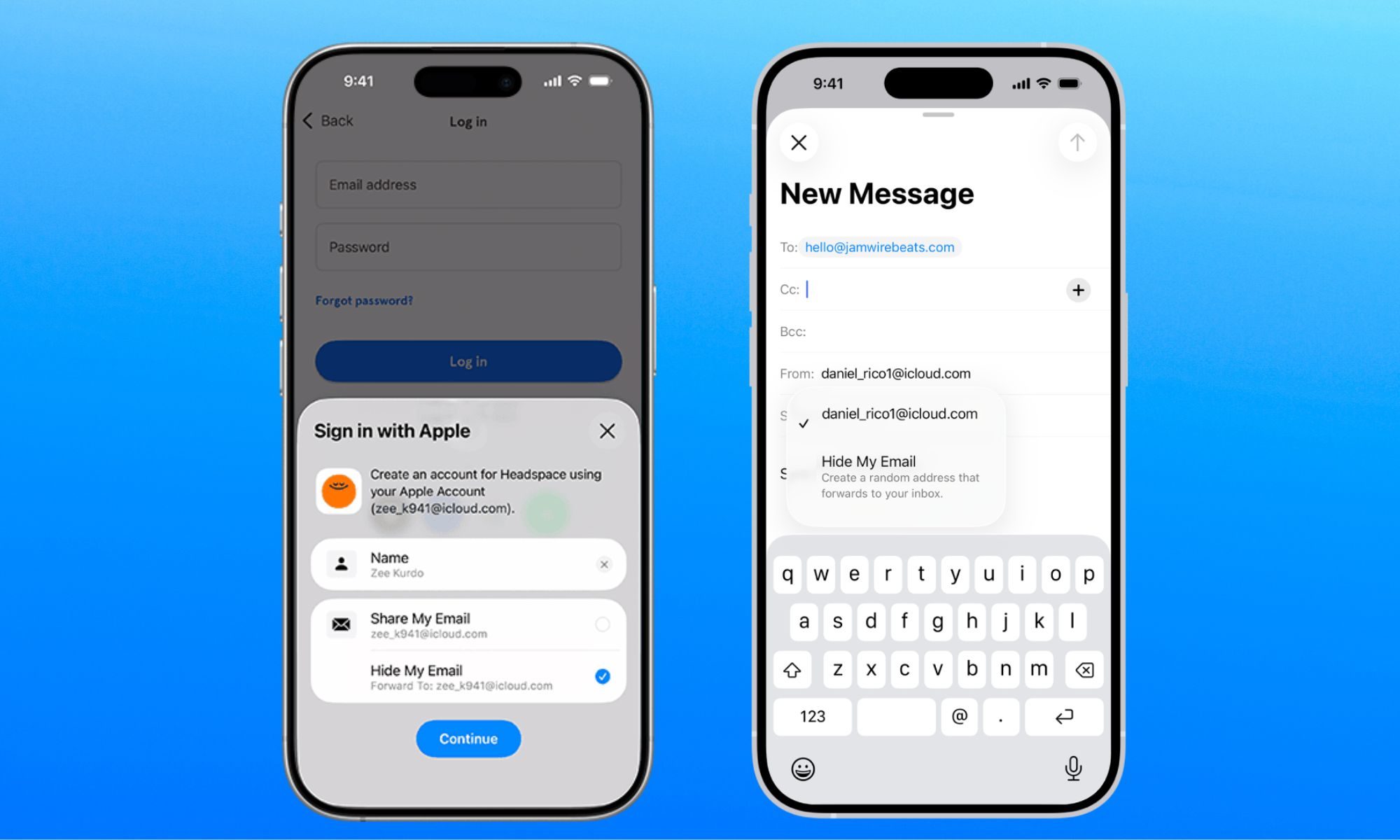
Apple fixes Hide My Email bug that exposed users’ real email addresses
Here's how Apple's Hide My Email flaw leaked real addresses for over a year, and why it only got fixed once the story went public.
apple-merging-sign-in-with-apple-hide-my-email-icloud+

Turns out the "Hide" part of Hide My Email wasn't doing its job quite as advertised, something that I covered early in July. Security researcher Tyler Murphy reported the flaw in June 2025, but despite Apple claiming it was resolved in March 2026, independent tests confirmed it remained exploitable, at least until July 3, 2026.

So how did this bug actually work?

Read more