1. Home
  2. Emerging Tech
  3. News

Meet Maxwell X-57, an electric plane that NASA takes seriously

Add as a preferred source on Google

Sooner than expected, NASA has gotten back in the game with X-Planes. The program starts with the X-57, a 14-motor, all-electric, 4-seat plane nicknamed Maxwell.

The U.S. Air Force gets to assign X-plane numbers. The X-1 was the first airplane to break the speed of sound, in 1947. Each of the X-planes since the X-1 has demonstrated an aviation advance. The X-57 is the first, and the smallest design, of as many as six X-planes that NASA will develop to show that all-electric power can operate at a lower fuel cost and lower sound levels than conventional aircraft engines, and with no carbon emissions.

Recommended Videos

NASA Administrator Charles Bolden said, “With the return of piloted X-planes to NASA’s research capabilities — which is a key part of our 10-year-long New Aviation Horizons initiative — the general aviation-sized X-57 will take the first step in opening a new era of aviation,”

The X-57 is based on an Italian-designed Tecnam P2006T twin-engine light aircraft. With a new wing design and 14 electric motors, the plane will be able to cruise at 175 miles an hour. At cruising altitude and speed the X-57 will operate at 20 percent of the fuel cost of conventional planes. Twelve of the motors, six to a side, will be on the leading edge of the wing and will assist on takeoff and landing, but one larger motor on each wing tip will be sufficient to maintain cruising speed. Part of the X-57’s demonstration principle will be the effect of spreading the work across multiple smaller motors for greater fuel efficiency.

The Maxwell gets its nickname in honor of James Clerk Maxwell, a 19th-century Scottish physicist whose original work in electromagnetism figured significantly in the understanding of modern physics. 

“The tradition of X-Planes has kept the United States in the forefront as the world leader in aircraft and aerospace development,” said Jaiwon Shin, associate administrator for NASA’s Aeronautics Research Mission Directorate. “Planes like the X-57, and the others to come, will help us maintain that role.”


Bruce Brown
Bruce Brown Contributing Editor   As a Contributing Editor to the Auto teams at Digital Trends and TheManual.com, Bruce…
Yet another study says AI is bad for elections, and the rabbit hole gets worse
AI may be an election bomb waiting for someone to light the fuse
Voters cast their ballots on Election Day

Another election, another study has concluded that asking an AI chatbot for political guidance is a spectacularly bad idea. Research conducted during Hungary’s 2026 parliamentary election found that ChatGPT and Google Gemini offered not just inaccurate but also inconsistent and unreliable voting advice. The chatbots misclassified voter profiles, overlooked relevant parties, recommended parties absent from the ballot, and sometimes produced materially different answers when given the same information repeatedly.

AI keeps failing the voter test

Read more
Samsung’s humanoid robot ambitions are real, but factories come first
Samsung’s new robotics division has humanoids in its sights, although its immediate business is far more practical factory automation
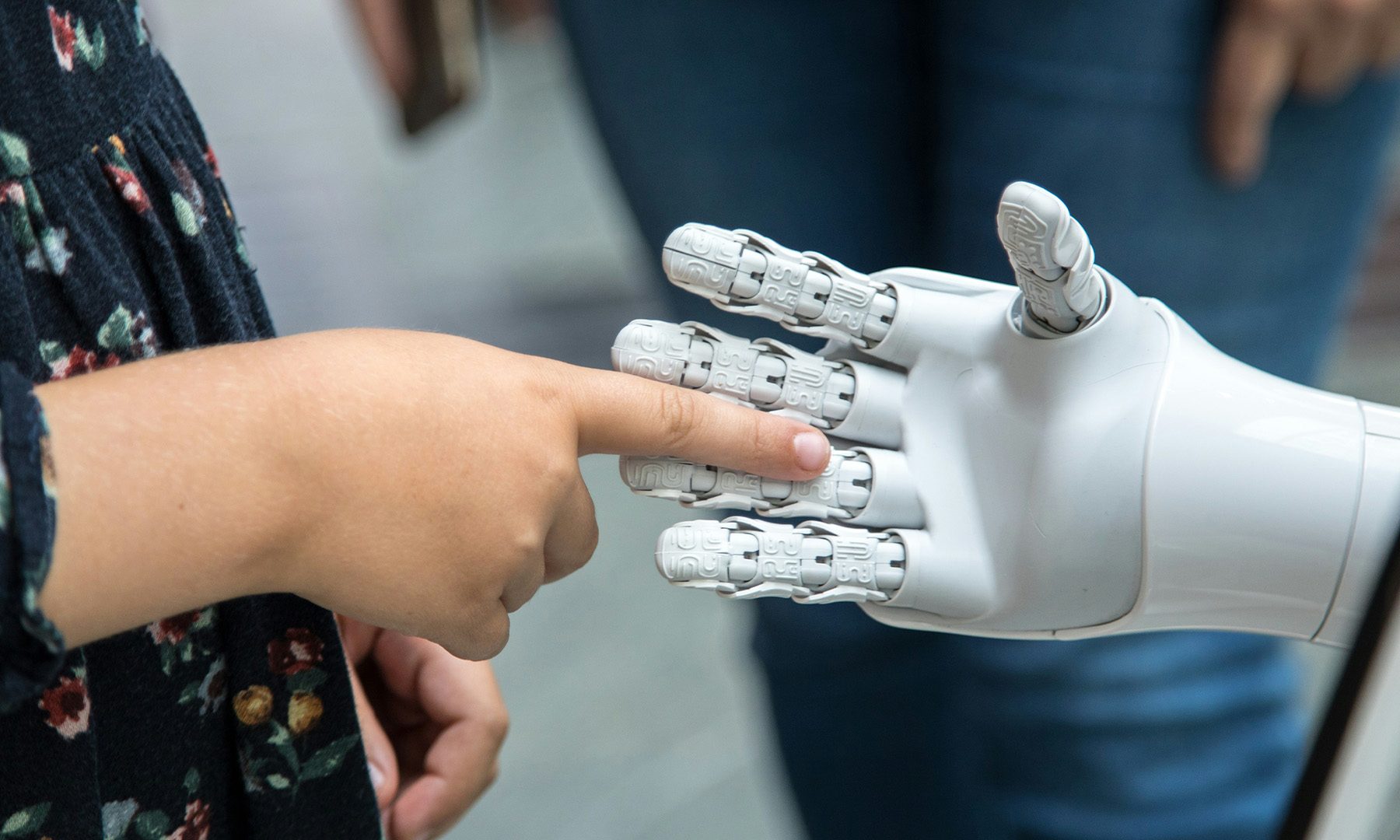
Robot Touch Human Finger

Samsung wants a place in the humanoid race, but its new robotics push begins with machines built for factories rather than homes.

The CEO-led RX robotics division will initially focus on manufacturing robots. Samsung has separately identified humanoids as a priority, although it hasn’t announced a commercial model or explained where one fits into the division’s immediate plans.

Read more
The future of AI may depend on this one behind-the-scenes change
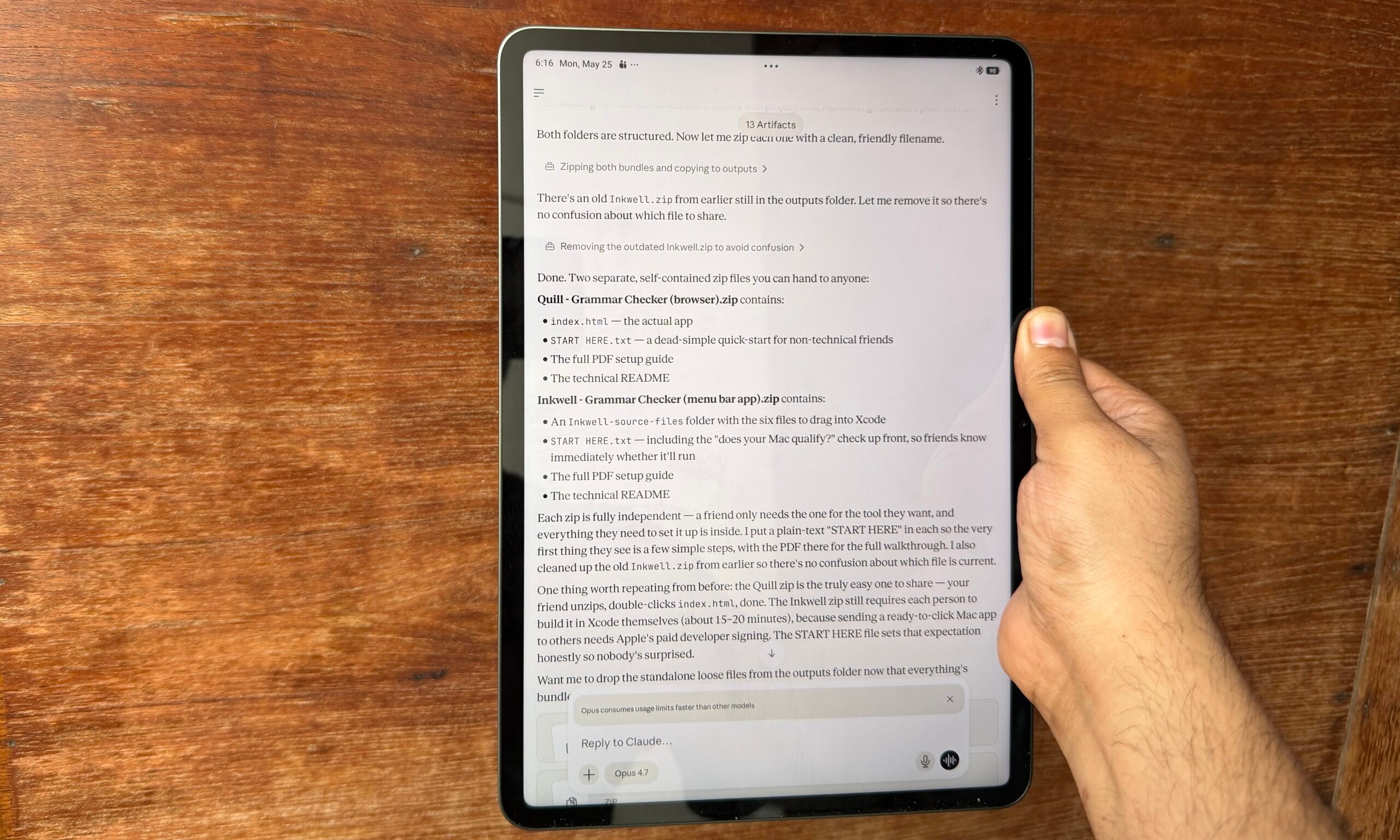
Running Claude on Android.

Whenever a new AI model arrives, it's easy to get caught up in the bells and whistles. We talk about how much smarter it is, how quickly it answers questions, or how realistic its images have become. But here's the thing: none of that matters much if the AI can't reliably work with the apps and services people use every day.

That's why an upcoming update to the Model Context Protocol (MCP) caught my attention. It isn't a new chatbot or a fancy AI model. In fact, most people will never even know it's happening. But it could quietly make the AI ecosystem a lot healthier. If you've never heard of MCP before, don't worry. Think of it as a shared language that lets AI assistants safely talk to apps like Gmail, Slack, calendars, databases, and countless other services. Instead of every company inventing its own way to make those connections, MCP gives everyone a common rulebook.

Read more