1. Home
  2. Emerging Tech
  3. News

High-tech robot warship fires lightweight torpedo in military first

Add as a preferred source on Google

Israeli defense company Elbit Systems is turning some heads with its robot warship, the Seagull. The unmanned surface vehicle (USV) operates autonomously and is capable of protecting the maritime environment from underwater threats such as mines or submarines. In a military first, the vessel this week successfully fired a lightweight torpedo via its remote Mission Control System (MCS).

Recommended Videos

The Seagull is a 12-meter-long maritime vessel that is modular in nature, with support for either one or two secondary vessels. These vessels can be controlled simultaneously via a command center, which can be situated on a nearby ship or a location on the shore. Similar to other self-driving vehicles, the Seagull has an autonomous navigation system with a built-in collision avoidance system to aid in the delicate task of navigation. It also is capable of holding enough fuel for a multi-day mission. This flexibility and autonomy allows the vessel to be outfitted for a variety of different missions, including mine countermeasures, anti-submarine warfare, and electronic warfare.

The Seagull’s first torpedo test launch was held in Israel’s Haifa port and was the first time an unmanned ship ever fired a torpedo. “This new and important capability has, to date, only been available to navies through manned vehicles,” said Elbit Systems’ vice president of the naval systems business line ISTAR Division Ofer Ben-Dov.

The ability to carry and deploy lightweight torpedos extends the capabilities of the unmanned ship, making it useful for both mine detection and offshore security details. Elbit Systems built the Seagull for mine and submarine detection, but these tasks are just the tip of the iceberg. With its newfound weaponry, the USV also can serve to patrol offshore oil and gas rigs operating in Israeli waters as well as protect the Israeli coastline from the growing threat of terrorism in the area.


Kelly Hodgkins
Kelly's been writing online for ten years, working at Gizmodo, TUAW, and BGR among others. Living near the White Mountains of…
Yet another study says AI is bad for elections, and the rabbit hole gets worse
AI may be an election bomb waiting for someone to light the fuse
Voters cast their ballots on Election Day

Another election, another study has concluded that asking an AI chatbot for political guidance is a spectacularly bad idea. Research conducted during Hungary’s 2026 parliamentary election found that ChatGPT and Google Gemini offered not just inaccurate but also inconsistent and unreliable voting advice. The chatbots misclassified voter profiles, overlooked relevant parties, recommended parties absent from the ballot, and sometimes produced materially different answers when given the same information repeatedly.

AI keeps failing the voter test

Read more
Samsung’s humanoid robot ambitions are real, but factories come first
Samsung’s new robotics division has humanoids in its sights, although its immediate business is far more practical factory automation
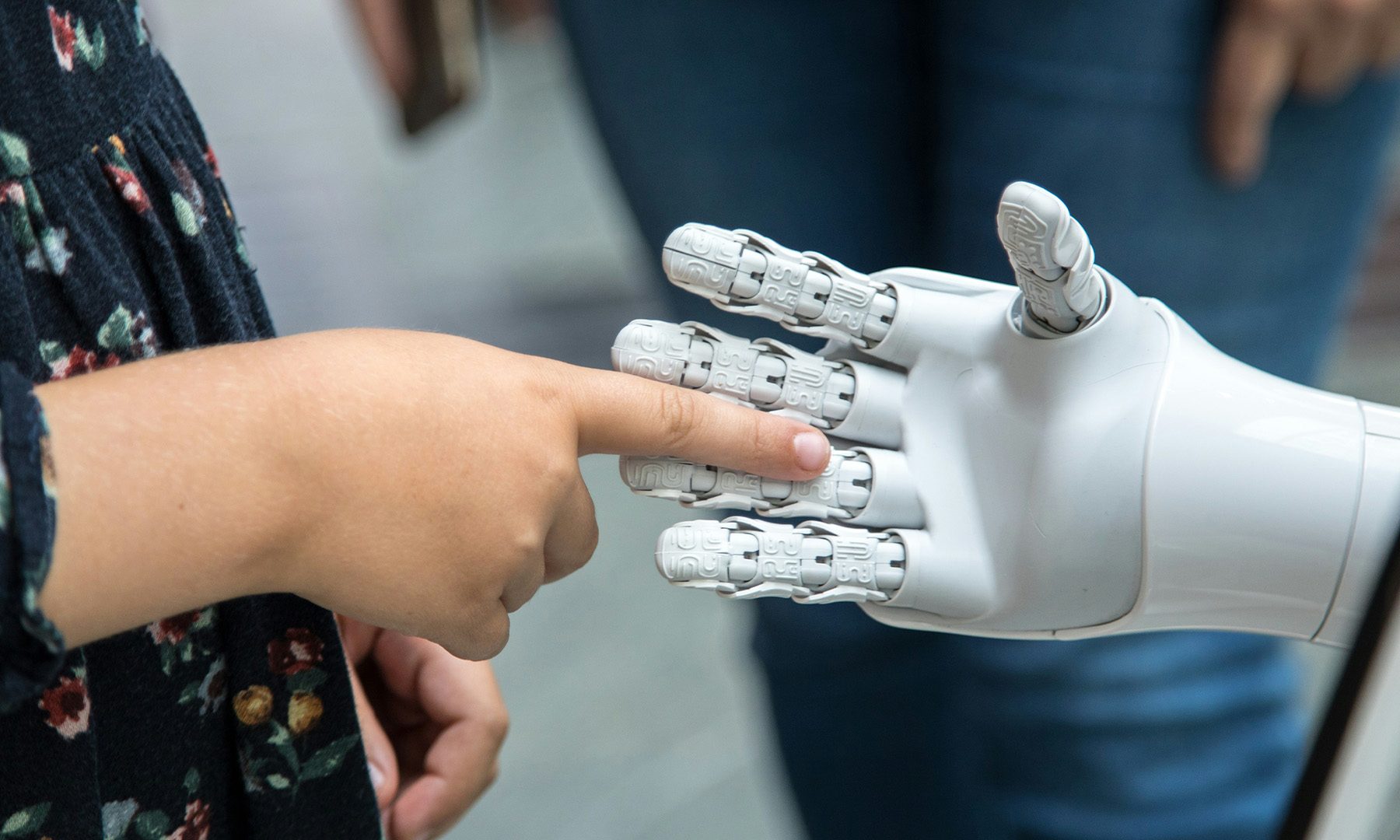
Robot Touch Human Finger

Samsung wants a place in the humanoid race, but its new robotics push begins with machines built for factories rather than homes.

The CEO-led RX robotics division will initially focus on manufacturing robots. Samsung has separately identified humanoids as a priority, although it hasn’t announced a commercial model or explained where one fits into the division’s immediate plans.

Read more
The future of AI may depend on this one behind-the-scenes change
Running Claude on Android.

Whenever a new AI model arrives, it's easy to get caught up in the bells and whistles. We talk about how much smarter it is, how quickly it answers questions, or how realistic its images have become. But here's the thing: none of that matters much if the AI can't reliably work with the apps and services people use every day.

That's why an upcoming update to the Model Context Protocol (MCP) caught my attention. It isn't a new chatbot or a fancy AI model. In fact, most people will never even know it's happening. But it could quietly make the AI ecosystem a lot healthier. If you've never heard of MCP before, don't worry. Think of it as a shared language that lets AI assistants safely talk to apps like Gmail, Slack, calendars, databases, and countless other services. Instead of every company inventing its own way to make those connections, MCP gives everyone a common rulebook.

Read more