  1. Home
  2. Cars
  3. Photo Galleries
  4. Legacy Archives

The 2015 Carrera GTS could be the sweet spot in Porsche’s 911 lineup

Add as a preferred source on Google

In the sometimes convoluted world of Porsche, models with the “GTS” tag have become something of a sweet spot, offering more performance than base versions without going too hardcore.

A GTS model was also one of the few things missing from the vast 991-series 911 lineup. Porsche is filling that gap for 2015 with the 911 Carrera GTS.

Available in either coupe or convertible form, and with rear-wheel drive or all-wheel drive, the Carrera GTS attempts to bridge the gap between the Carrera S and hardcore 911 GT3.

To do that, Porsche made the Carrera S Powerkit – Sport Chrono package and sport exhaust – standard equipment. That means the GTS’ 3.8-liter flat-six produces 430 horsepower and 324 pound-feet of torque.

Equipped with the seven-speed PDK dual-clutch automatic transmission, Porsche says the GTS coupe will do 0 to 60 mph one tenth of a second quicker than the Carrera S, making the short trip in 3.8 seconds. With the seven-speed manual transmission, it takes 4.2 seconds.

Related: Porsche 911 Carrera reports for police duty Down Under

However, the manual has a slight advantage over the PDK in top speed, reaching a nice even 190 mph compared to 189 mph. The convertible versions are slightly slower.

In addition to the tweaked engine, GTS models get lowered suspension, a Porsche Dynamic Light System, and interiors trimmed in Alcantara.

Visually, the GTS is distinguished by 20-inch center-lock wheels, tinted headlights, and black chrome exhaust tips. Rear-wheel drive models also get the same Carrera 4 wide body as all-wheel drive versions.

The 2015 Porsche 911 Carrera GTS will go on sale in the U.S. before the end of 2014. Pricing (including destination) starts at $115,195 for the coupe and $127,095 for the convertible.

All-wheel drive Carrera 4 GTS models start at $121,895 and $133,795 for the coupe and convertible respectively. That equates to a roughly $15,000 premium over comparable Carrera S models.

Stephen Edelstein
Stephen is a freelance automotive journalist covering all things cars. He likes anything with four wheels, from classic cars…
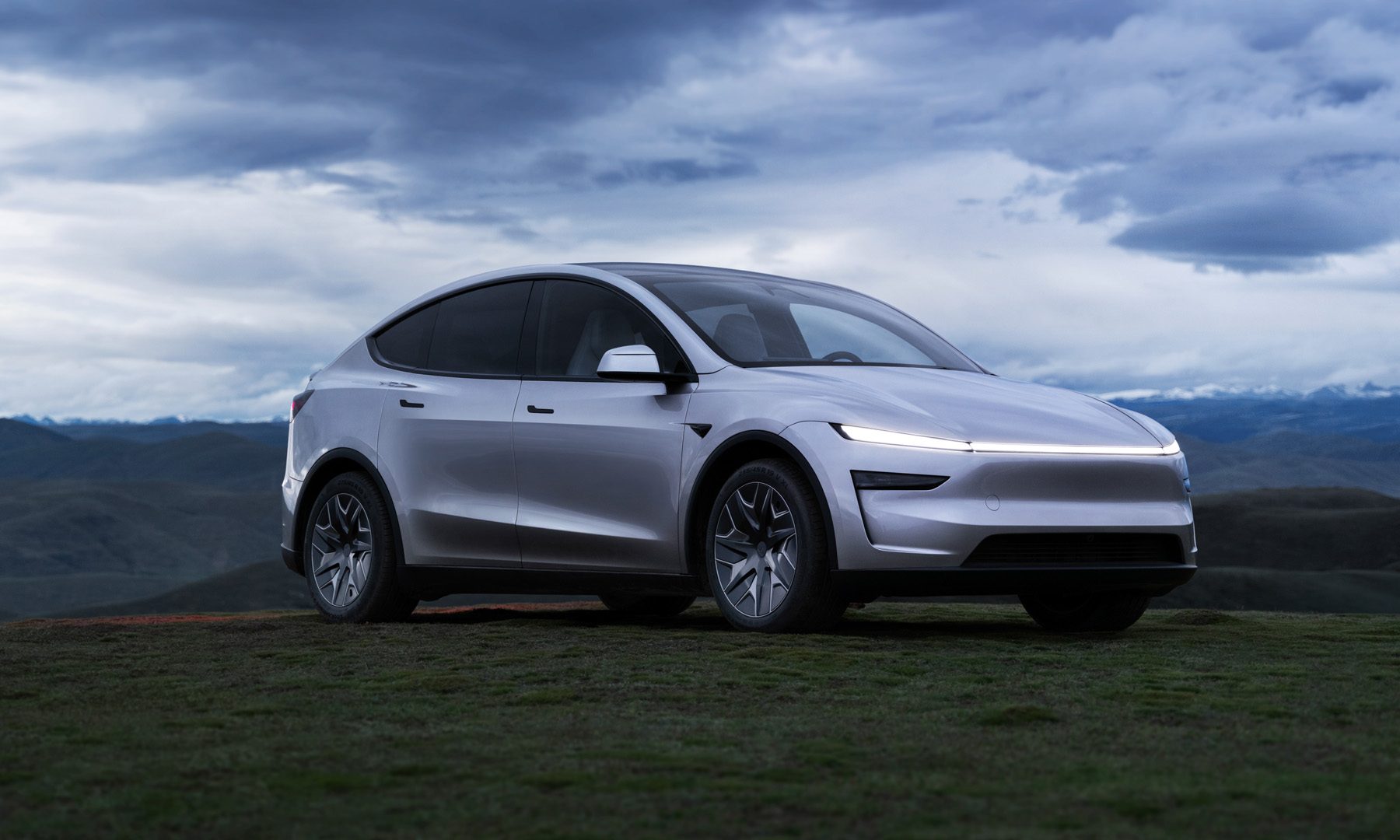
Tesla launches the six-seat Model Y Long Wheelbase in the US
The stretched electric SUV brings more space, more comfort, and up to 325 miles of range.
Tesla Model Y Long Wheelbase Featured

Tesla is giving the Model Y a little more breathing room. The company has officially launched the Model Y Long Wheelbase in the United States and Puerto Rico, introducing a stretched version of its best-selling electric SUV with a three-row, six-seat layout that's designed to make family road trips a lot more comfortable.

A bigger Model Y with a focus on comfort

Read more
A stolen Kia reveals the hidden limits of connected car technology
Kia can see where your stolen car is. GDPR means it won't share that in real time. That is the entire problem.
Kia EV3 design

If you’re buying a car with connected car technology, thinking it would help you to recover it in the event of theft, you might want to recalibrate your expectations. 

A recent incident in the UK, in which a car owner had three tracking devices installed in his car and still couldn’t recover it, led the carmaker to state that connected-car technology isn’t a “certified security vehicle tracker” (via the BBC).

Read more
Cambrige experts find utterly simple fix for longer lasting EV batteries. Just put some pressure on it.
Scientists found a way to make EV batteries last longer without reinventing the battery
EV Charging

EV battery breakthroughs typically involve new chemistry, exotic materials, or faster charging/higher capacity. But a new study reveals that you can skip all the fancy stuff and go with a very simple solution, Researchers from the University of Cambridge found that putting the battery under the right amount of pressure actually helps.

The study was about how physical pressure affects lithium-ion battery life, which found that keeping cells under constant pressure could double their lifespan. The work was published in Nature Energy, and the team says the improvement came without changing the active materials, electrolyte, or basic battery chemistry.

Read more