  1. Home
  2. Computing
  3. News

A new supercomputer has dethroned the U.S — here’s why it matters

Add as a preferred source on Google
Crowd, Person, Architecture
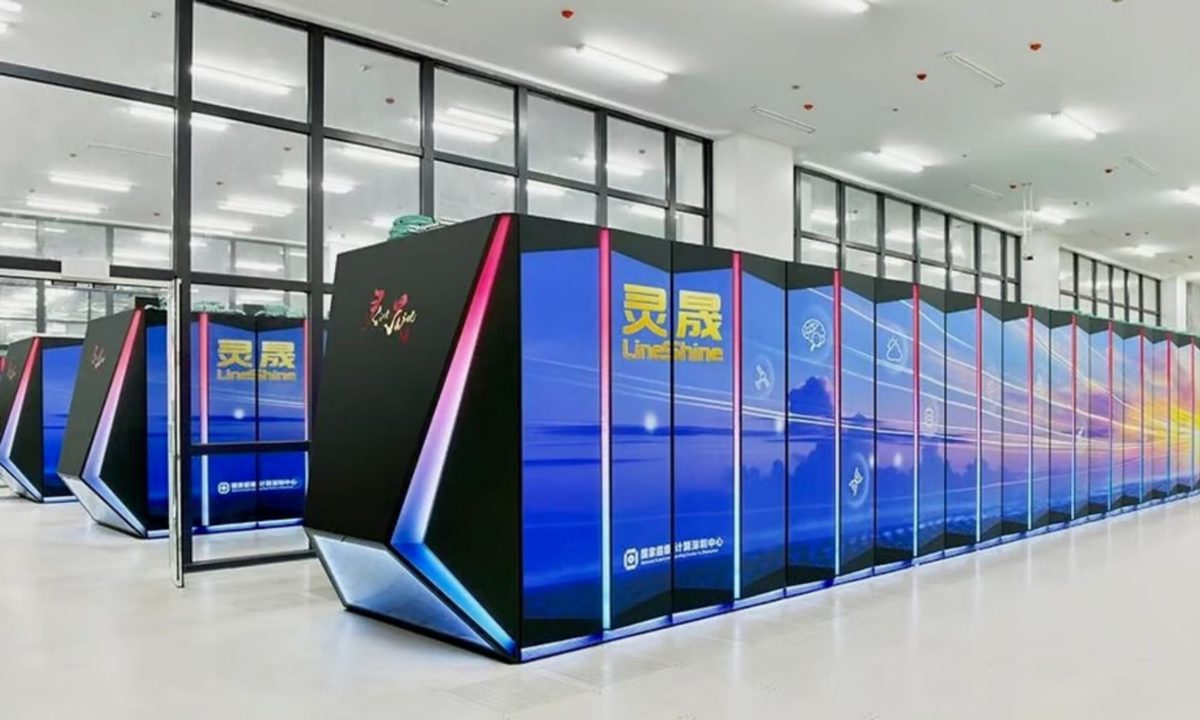
LineShine

The race to build the world’s fastest supercomputer has been dominated by the United States. Now, China has stormed back into the lead. A newly ranked system called LineShine has claimed the No. 1 position on the latest Top500 list, a closely watched ranking of the planet’s most powerful supercomputers. The machine, located in Shenzhen, pushed past the U.S. government’s El Capitan system and became the first Chinese computer to top the list since 2017. That’s notable on its own. But what makes LineShine particularly interesting is how it got there.

The tortoise just outran the rocket

Most of today’s computing breakthroughs, especially those tied to artificial intelligence, revolve around powerful graphics processors, or GPUs. They’re the chips fueling everything from ChatGPT to cutting-edge AI research. LineShine took a different route. Instead of leaning on thousands of specialized AI processors, the system relies entirely on traditional CPUs. Despite that seemingly old-school approach, it achieved more than 2.1 exaflops of performance — enough to perform over two quintillion calculations every second.

It’s a reminder that while AI hardware gets most of the headlines, there are still multiple paths to raw computing power. And make no mistake: this isn’t just about bragging rights. Supercomputers are used for everything from medical research and climate modeling to advanced scientific simulations and national security projects. Topping the list has long been viewed as a symbol of technological leadership.

The world’s fastest computers have a surprisingly slow problem

The timing is also fascinating. Governments around the world are pouring billions into next-generation computing infrastructure. Europe is investing heavily in giant AI-focused facilities designed to train future models and accelerate research across healthcare, robotics, biotechnology, and industry.
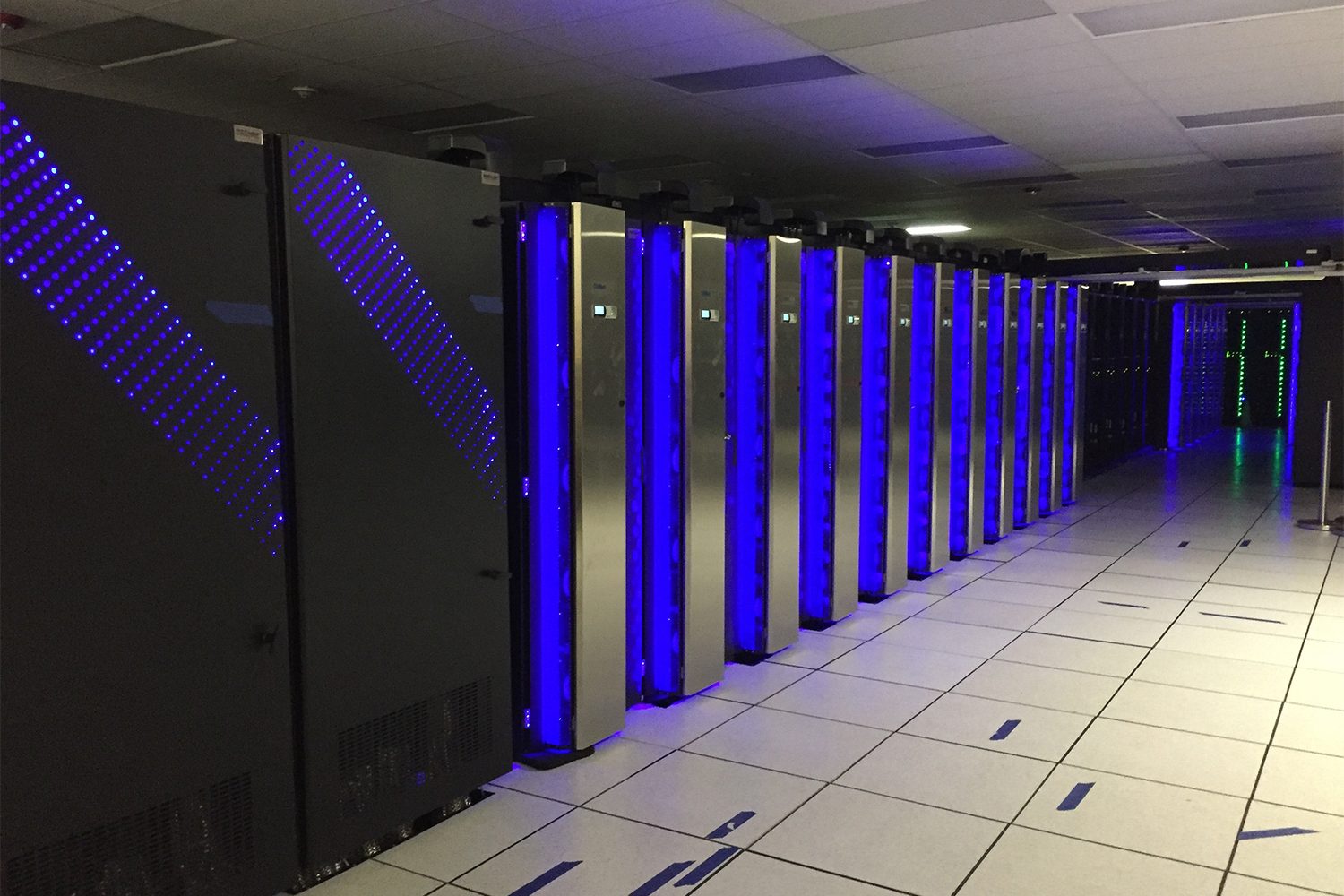
At the same time, concerns about energy use are growing louder. These massive systems consume enormous amounts of electricity, while some facilities also require significant water resources for cooling. So while LineShine’s arrival changes the standings, it also highlights a larger reality: the global computing race is accelerating. And increasingly, the battle isn’t just about who builds the fastest machine. It’s about who can build the future — and power it responsibly.

Shimul Sood
Shimul is a contributor at Digital Trends, with over five years of experience in the tech space.
AI browsers like Perplexity Comet can be tricked into spilling your password through BioShocking exploit
Six AI browsers were found leaking saved passwords and many of them haven't fixed it yet.
MacBook Air in hand, Comet browser loaded—let’s see what Perplexity’s AI can really do

Security researchers just found a strange way to trick AI browsers into handing over your passwords. They managed to trick AI browser agents into exposing sensitive data like saved passwords, session cookies, and private tokens by disguising the theft as part of a harmless "game."

The technique is called BioShocking, named after the popular video game BioShock, where a brainwashed character is manipulated into believing a false reality. Once an AI browser falls for the same trick, it stops following its own safety rules entirely.

Read more
Google Play’s latest speed boost goes way beyond the phone
Play Store v52.1 targets app install performance across Android devices, including cars, TVs, watches, tablets, and phones.
Google Play Store Photo

Google is rolling out Play Store v52.1 with changes built around a practical Android problem, getting apps installed more smoothly on very different kinds of hardware.

The update focuses on Play Store infrastructure, with Google pointing to stability, performance, and better memory use while a device adds an app. That install path now has to work on phones, tablets, Wear OS watches, Google TV, Android TV, Android Auto, and cars running Android Automotive.

Read more
Peacock Premium Plus joins YouTube as the streaming bundle battle gets messier
The $16.99 subscription brings Peacock’s sports-heavy catalog into YouTube, with account details still unclear.
Adult, Female, Person

Peacock Premium Plus is now available through YouTube Primetime Channels, giving viewers a new way to add a major streaming service inside YouTube.

The $16.99-per-month subscription brings Peacock’s live sports, NBC and Bravo shows, originals, Universal movies, Telemundo programming, and Spanish-language FIFA World Cup 2026 coverage into YouTube’s channel marketplace.

Read more