1. Home
  2. Computing
  3. News

Dell announces a $200 Windows 10 laptop: the Inspiron 11 3000

Add as a preferred source on Google

Are cheap laptops the future? Dell just revealed the future of the Inspiron 11 3000 line, and it’s a pivot from a midrange 2-in-1 to bargain-basement affordability.

Dell announced that the line of laptops, now powered by an Intel Celeron Processor, will start at $199 — a hefty discount over last year’s model. But that discount comes at a price.

Recommended Videos

We recently reviewed the 2015 version of the Inspiron 11 3000, which was a 2-in-1 with an Intel Core i3 processor. That’s no longer the case.

“There is no one-size-fits-all option” for computing, the blog post announcing the new laptop says. So the 2016 Inspiron 11 3000 is in many ways a simplified and stripped-down version of its predecessor. The touchscreen is gone, and the processor is less powerful than before. The 11.6-inch display offers a relatively minuscule resolution of 1,366 x 768, and there’s just 2GB of memory to start with.

It’s clear what Dell is going for here: a low price. And it’s not as though this Inspiron is a bad value given its price point. The keyboard appears to be spacious, especially given the small size of the laptop. The new shiny, plastic case — a marked contrast from the matted back of last year — comes in three patriotic colors: red, white, and blue. There’s an HDMI port, and at least one USB 3.0 port as well.

All told, it’s a pretty good value. If you just want something for some occasional Web browsing, or to do a little bit of writing on, it will probably work for you.

Think of it as a Windows 10 Chromebook. Dell claims the new laptop is for “people who carry their systems with them like an extension of their phone,” and that seems apt.

It’s just a little odd that it shares the name of a significantly more powerful, and more flexible, predecessor. But naming conventions have always been odd in the PC space, so we suppose this is nothing new.

Justin Pot
Justin's always had a passion for trying out new software, asking questions, and explaining things – tech journalism is the…
TSMC might set up a price hike that could come straight for your next phone, laptop, or tablet
Here's what TSMC's rumored 10% chip price increase actually means in dollar terms, and why your next phone or laptop could end up costing more.
TSMC Fab

My wallet flinched the second I saw the words "TSMC" and "price increase" in the same headline, and honestly, yours should too.

Turns out the company behind the silicon powering basically every flagship device out there, including Apple’s A-series and Qualcomm’s Snapdragon processors, is reportedly about to make all of it a little pricier.

Read more
Apple fixes Hide My Email bug that exposed users’ real email addresses
Here's how Apple's Hide My Email flaw leaked real addresses for over a year, and why it only got fixed once the story went public.
apple-merging-sign-in-with-apple-hide-my-email-icloud+

Turns out the "Hide" part of Hide My Email wasn't doing its job quite as advertised, something that I covered early in July. Security researcher Tyler Murphy reported the flaw in June 2025, but despite Apple claiming it was resolved in March 2026, independent tests confirmed it remained exploitable, at least until July 3, 2026.

So how did this bug actually work?

Read more
Gemini Notebook’s new Collections arrive just as Google turns it into a bigger workspace
Google is cleaning up notebook organization as the former NotebookLM expands across Gemini and Search
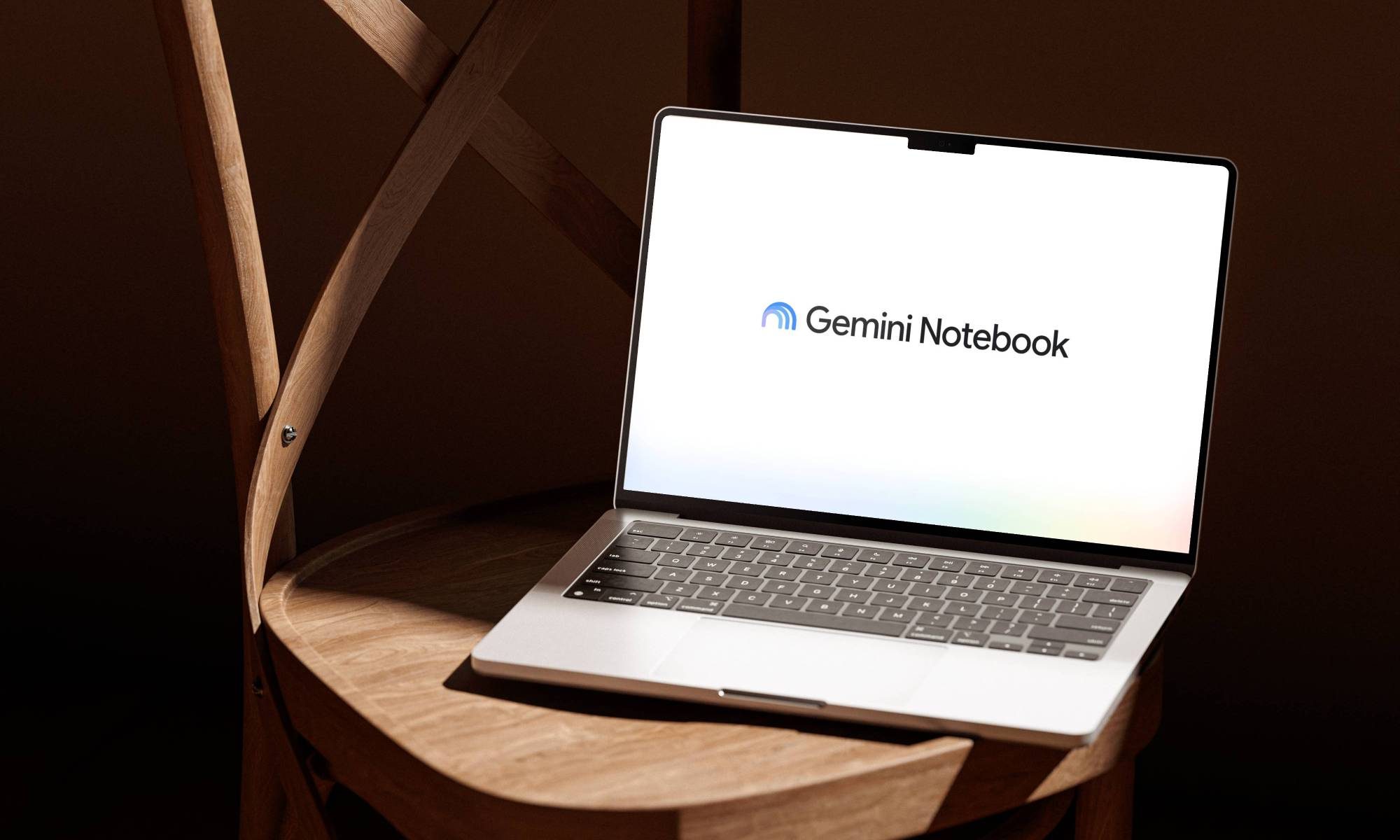
Gemini Notebook branding on a MacBook

Google has barely finished renaming NotebookLM, and it’s already addressing one of the headaches that comes with building a large research library.

Collections are rolling out to all Gemini Notebook users, giving them a way to group related notebooks while keeping everything visible under My Notebooks. The dashboard gets some structure without asking users to rearrange the library they’ve already built.

Read more