1. Home
  2. Computing
  3. News

DDoS attack hits GitHub after Chinese police force developer to remove code

Add as a preferred source on Google

GitHub has fallen prey to a DDoS attack this week, allegedly perpetrated by Chinese actors, in response to tools available on the site that would help users circumvent censorship.

On Tuesday the site found that it was under attack from malicious sources, following a similar tirade against the site in March of this year. This time, though, the attacks have been much more intense.

Recommended Videos

GitHub was supposedly targeted because the code repository hosts many different tools and resources for bolstering security and undermining censorship measures in countries like China. As a result it is believed that China-based attackers flooded the site with fake traffic to deny service to legitimate users.

Greatfire.org, which regularly tracks sites blocked in China by the “Great Firewall,” reports that the open source project ShadowSocks, which calls itself a “secure socks5 proxy, designed to protect your Internet traffic” similarly to VPNs, has since been pulled from GitHub.

GitHub user, clowwindy, who is reportedly the developer of the protocol. claims the police told him or her to remove the code.

“Two days ago the police came to me and wanted me to stop working on this. Today they asked me to delete all the code from GitHub. I have no choice but to obey. I hope one day I’ll live in a country where I have freedom to write any code I like without fearing,” clowwindy wrote in a now-deleted comment. The ShadowSocks code has since been mirrored by other users and can be found on GitHub.

GreatFire.org also says a similar anti-censorship tool called GoAgent was removed from the site.

GitHub initially struggled to recover the site from this latest attack and return to normal operations, but on August 26 at midnight GMT, the site reported that everything was running 100 percent. That’s a much quicker recovery than in March, when a similar attack took the site down for nearly a week.

The graphic below shows how the site was hit rapidly with traffic.

github traffic
Image used with permission by copyright holder

At this time, users are speculating that Chinese authorities are behind the demands that the code be removed or for the DDoS attack itself, but no one has specifically been blamed.

Today the VPN Astrill also reported that its service was being disrupted in China ahead of the country’s World War II anniversary celebrations in a bid to stamp out any dissent against the government online.

Jonathan Keane
Jonathan is a freelance technology journalist living in Dublin, Ireland. He's previously written for publications and sites…
Apple’s Hide My Email feature has an unfixed bug that leaves email addresses exposed
100% exploitable in limited testing, known since June 2025, and still unfixed as of today.
apple-merging-sign-in-with-apple-hide-my-email-icloud+

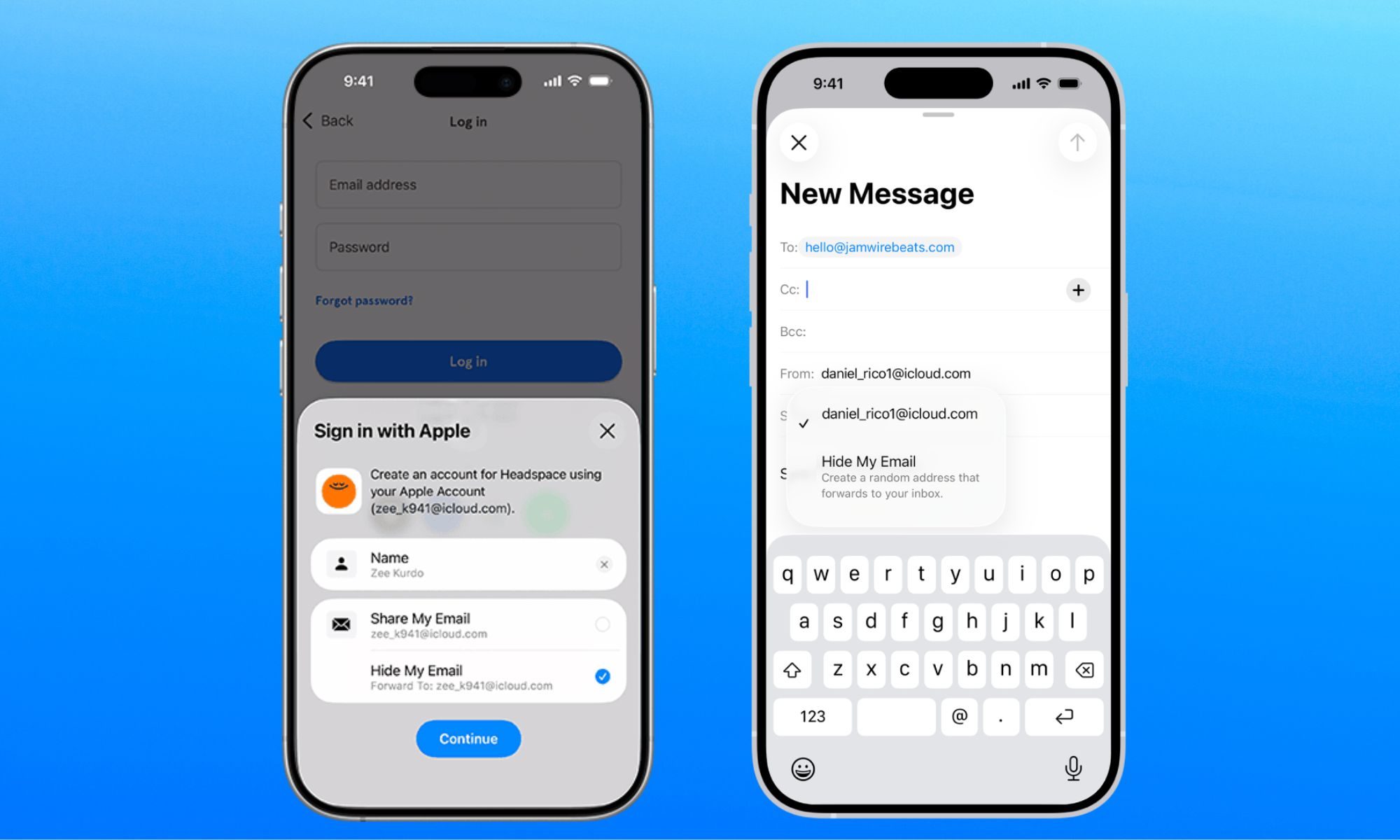
Apple has been selling Hide My Email to keep your real email address hidden, but it has a vulnerability that does the exact opposite. The worst part is that the company has known about it for a year. 

Hide My Email, part of Apple’s paid iCloud+ subscription, lets users generate anonymous email addresses for signing up to a website, so that their personal or work email remains free of promotional emails and spam. 

Read more
I hate sharing my Mac, but a face-unlocking app finally cured my privacy paranoia
Someone finally built the app locker every Mac user has been asking for.
FaceGate in action on Mac

If you have ever handed your Mac to a friend, family member, or coworker for "just a minute," you know the mild panic that follows. Sure, your Mac has a lock screen, but once someone is past it, they can open Messages, Photos, Notes, Mail, WhatsApp, and your browser.

iPhones had the same issue, but Apple solved it by adding an app lock feature with the iOS 18 update. Sadly, no such feature exists for macOS. That’s where the new FaceGate app for Mac can help you. It’s a free and open-source app that lets you lock apps on your Mac and even has some novel tricks up its sleeve. So, let’s talk about it, shall we?

Read more
The charm of a tiny Windows tablet is apparently at Microsoft. Long live the Surface Go!
Microsoft’s budget Surface era may be over
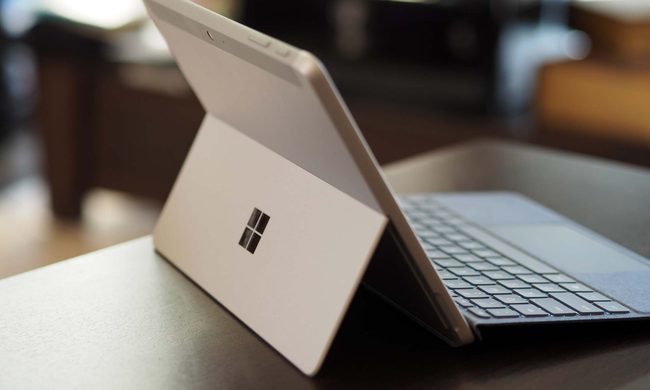
Microsoft Surface Go 3 stand.

Microsoft might be cleaning up its Surface lineup. According to Windows Central, Microsoft has stopped manufacturing the Surface Go and Surface Laptop Go lines, with no successors currently planned. Surface Go 4 and Surface Laptop Go 3 are reportedly out of stock in most places, and once remaining retail stock is gone, that may be it.

If this is true, then we are looking at the end of the brand's budget Surface PCs as Microsoft has plenty of premium Windows hardware.

Read more