1. Home
  2. Computing
  3. Legacy Archives

Microsoft Loses S. Korean Antitrust Ruling

Add as a preferred source on Google

South Korea’s Fair Trade Commission has ruled that Microsoft abused its dominance in the computer operating system market (PDF), and ordered the company to ship two alternative versions of Windows in the country within 180 days: one without Windows Media Player and instant messenger, and another with a new “Media Player Centre” and “Messenger Centre” which contain links to competing products.

Microsoft has said it will fight the decision in court. Microsoft has previously threatened to withdraw Windows from the South Korean market if the KFTC found the company in violation of Korean antitrust rules.

Recommended Videos

The decision comes after Microsoft settled separately with both RealNetworks (for $761 million) and Daum Communications (for $30 million), the companies which initially brought antitrust allegations against Microsoft. Despite the withdrawal of the original antitrust complaints, the KFTC continued its proceedings, finding Microsoft’s bundling of Windows Media Player and instant messaging technologies with the Windows operating system unfairly excluded competitors and harmed consumers.

South Korea’s corrective measured would remain in place for 10 years; after 5 years, Microsoft would be granted an annual opportunity to review the conditions of the remedy in order to adjust for changing market conditions.

In early 2004, the European Union ordered Microsoft to pay $586 million in a similar antitrust case and produce a version of Windows without Windows Media Player. Microsoft is currently appealing that ruling, and reports indicate adoption of the special EU version of Windows (dubbed Windows XP N) has been tepid, although Microsoft itself doesn’t separate out sales figures.


Geoff Duncan
Former Contributor
Geoff Duncan writes, programs, edits, plays music, and delights in making software misbehave. He's probably the only member…
Deepfake bosses are crashing video calls, and researchers are trying to expose them
Seeing your boss on video no longer proves they are real
Researchers at Fraunhofer SIT are fighting against deepfake meeting video calls

Entering into a meeting with your boss and several familiar coworkers inside a video conference is the next area vulnerable to cybercrimes, and it's all because of deepfake technology. Researchers at the Fraunhofer Institute for Secure Information Technology SIT are working on a real-time warning system designed to identify attempted fraud during corporate video conferences.

The report states that criminals are increasingly targeting video meetings for identity theft and financial scams, taking advantage of the trust people place in familiar faces and voices. The intention is to flag suspicious activity while the meeting is still taking place. This gives an employee a chance to stop before following an expensive instruction from an AI-generated executive.

Read more
Apple will finally stop making iPhone-to-Windows copy-paste such a chore
Your iPhone may finally copy and paste with a Windows PC like it should
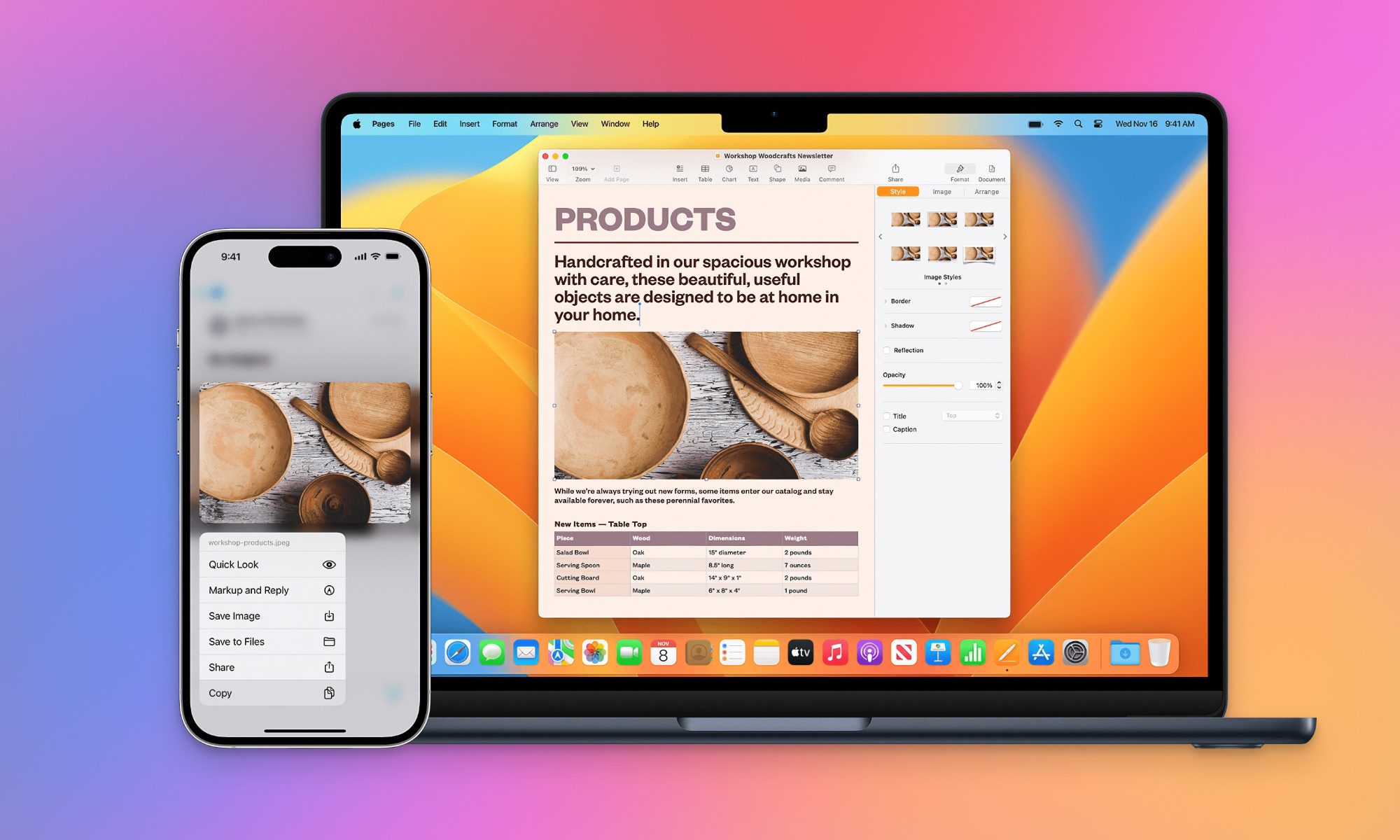
Apple Universal Clipboard feature

Copying something on an iPhone and pasting it onto a Windows PC should be one of the least remarkable features imaginable. While this simple process seems effortless between an iPhone and Mac, Windows users are still left waiting.

Now, Microsoft is formally asking Apple to provide interoperable clipboard access through the company’s European Union interoperability process. The request, submitted on March 25, argues that iOS restrictions prevent third-party platforms from creating an experience comparable to Apple’s Universal Clipboard. Apple has now reached Phase III and committed to developing a solution.

Read more
Chrome wants more extension reviews, but good ratings won’t keep malware out
Google is testing built-in extension review prompts, but good ratings can still hide malware
malicious-google-chrome-extensions-on-web-store

Google is preparing to add extension review links directly inside Chrome, putting feedback closer to the menus people already use to manage their add-ons.

A Chromium change, first spotted by Windows Report, points to review options in the Extensions menu, the chrome://extensions management page, and extension context menus. Only eligible Chrome Web Store extensions in good standing would qualify, and the feature is still under development.

Read more