1. Home
  2. Computing
  3. Legacy Archives

Negroponte Outlines OLPC XO-2

Add as a preferred source on Google
Negroponte Outlines OLPC XO-2
Image used with permission by copyright holder

The One Laptop Per Child program has a laudable goal—bring low-cost computing to schools in developing nations around the world so entire generations of children don’t get left out of the technology revolution. And while the OLPC program has had its share of challenges—including failing to meet its $100 price point, unexpected competition from the likes of Acer and Intel, recent departures of key personnel, organizational changes, and a philosophy shift that’s bringing Windows XP to the XO laptop&dmash;OLPC chairman Nicholas Negroponte is wasting no time expanding on the OLPC vision. At a conference sponsored by the OLPC project, Negroponte unveiled a design for the organizations’ next laptop: a dual-screened, one-Watt wonder that will be half the size of the current XO—and which Negroponte hopes can get to market by 2010 for $75 each.

“Based on feedback from governments, educators and most important, from the children themselves, we are aggressively working to lower the cost, power, and size of the XO laptop so that it is more affordable and useable by the world’s poorest children,” said Negroponte in a statement. “The delivery of the first generation XO laptop has sparked tremendous global interest in the project and provided valuable input on how to make the XO laptop an even better learning tool moving forward.”

Recommended Videos

The OLPC XO-2 will feature a dual touch-sensitive displays and function as an ebook reader that can display vertical right and left pages while acting as a hinged notebook computer in a horizontal format. As a notebook, one of the touchscreens will display a keyboard: younger children will be able to interact with applications using a simplified keyboard, while older students will be able to load up more sophisticated keyboards for particular applications. The dual touch-screen design is being developed by Pixel Qiheaded by former OLPC technology officer Mary Lou Jepson.

Negroponte freely admits OLPC is banking on new hardware developments and advances in hardware and display technology will made the XO-2 possible; he also wants the unit to operate using a scant one Watt of power so the device can be powered by a hand crank if necessary. OLPC hopes the unit will get into production by 2010, with an eventual market price of $75.

So far, the design of the OLPC XO-2 has been greeted with muted enthusiasm, and speculation that the OLPC won’t be able to come through with the hardware design, or match that $75 price point—which, considering the XO was supposed to cost $100 and currently costs $188, may be a valid criticism. Industry watchers also wonder about the durability of a dual touch screen display: even at sizes smaller than the current XO notebook, the displays may not be able to take much abuse.

The OLPC also announced it plans to start up the Give 1, Get 1 program again later this year, enabling consumers in developed countries to get their hands on an OLPC XO 1 while funding the purchase of another laptop for distribution to a child in a developing country.


Geoff Duncan
Former Contributor
Geoff Duncan writes, programs, edits, plays music, and delights in making software misbehave. He's probably the only member…
Anthropic is paying $1.5 billion over pirated books, but it can still legally cut up purchased ones
The settlement addressed unauthorized ebook downloads, not the destructive scanning of lawfully bought physical copies, a distinction now alarming booksellers
Book, Publication, Indoors

A federal judge has approved Anthropic’s $1.5 billion settlement over nearly half a million pirated books. The same litigation also protected a more physical method of feeding its AI systems. Anthropic bought print books, removed their bindings, scanned every page and destroyed the originals.

The legal divide came down to acquisition. The settlement covers books downloaded from LibGen and PiLiMi, while the court treated Anthropic’s one-for-one conversion of purchased books into private digital files as fair use. Training AI models on lawfully acquired material was also considered transformative.

Read more
Google Earth’s AI misadventure lasted only a day. It was a tale of dangerous ignorance.
Nuclear reactors, tanks, and historical destruction on a life-like satellite map? Yeah, that's bad.
Nano Banana AI image generator representation.

Technology behemoths are clearly not reading the room, or they are just moving faster than they should when it comes to AI deployment. Google has already stuffed its Gemini AI in every corner of its software stack, from Android to daily productivity tools like Gmail that are used by hundreds of millions of users every day. AI is everywhere. Not all of it is bad, mind you. But in a few places, it just feels forced.

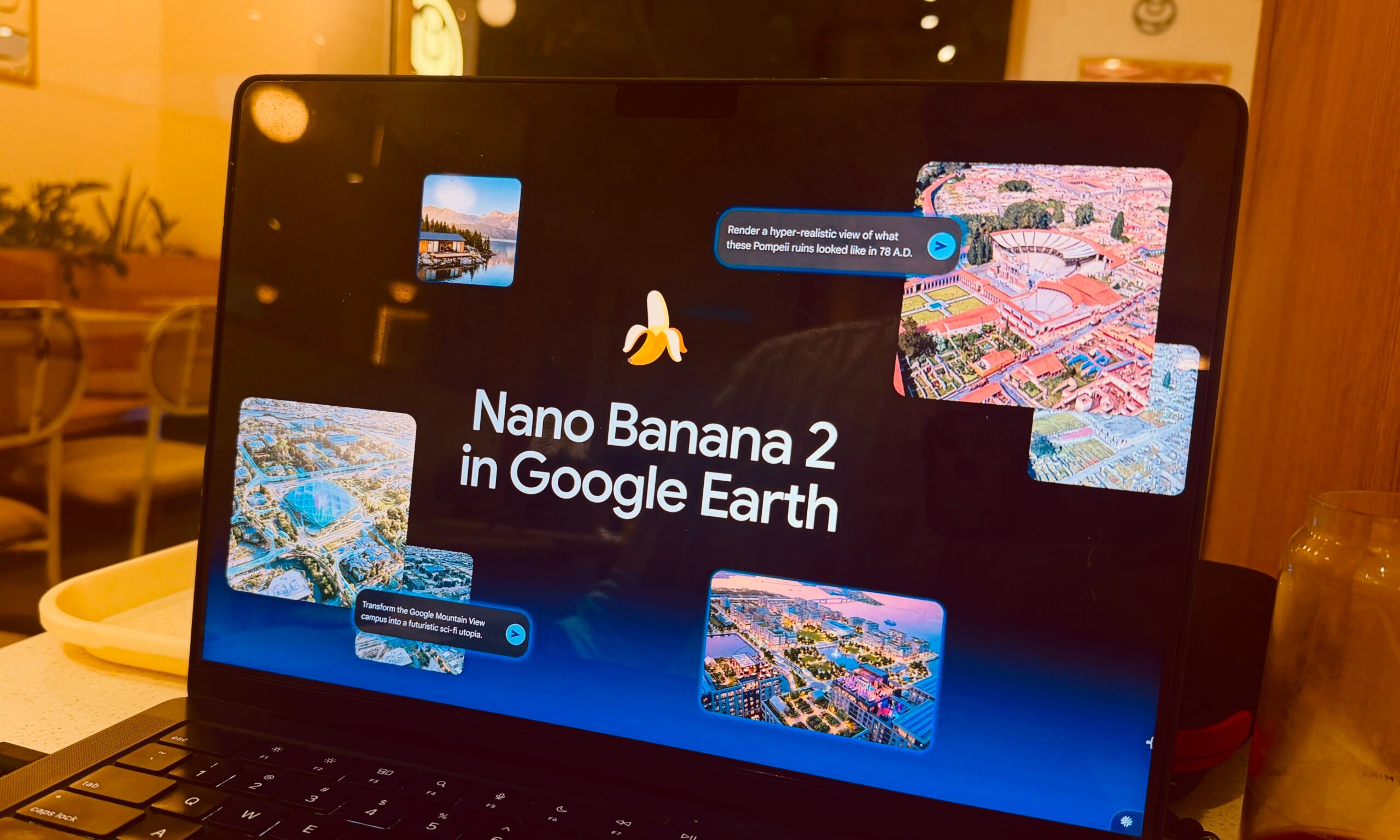
In its latest AI-fication experiment, the company targeted Google Earth. The idea was to let the audience use its Nano Banana 2 AI image generator and make images that can be placed on the map view. On paper, it's a cool idea. What would the Colosseum of Rome look like in your urban neighborhood? Yeah, fun stuff like that.

Read more
AMD is apparently gearing up to raise GPU prices right after Nvidia’s steep hike
AMD has reportedly told AIB partners about a price hike that goes into effect in. August.
AMD RX 7800

AMD is next in line to raise the asking price of its Radeon GPUs, merely days after the news of a similar hike coming for Nvidia graphics cards started making waves. As per ChannelGate on Weibo (h/t VideoCardz), AMD has informed its board partners that the price of GPU and memory bundles will go up by at least 10% in August.

Is a similar price hike coming for standalone graphics cards? I won't be surprised if that happens. The situation is so bad that AMD is planning to bring back graphics cards with 4GB of onboard memory. AMD just introduced the RX 9050 GPU, which costs $279. Notably, it's just $20 less than the RX 9060 XT that offers double the graphics memory.

Read more