1. Home
  2. Computing
  3. News

You can now buy a 2TB solid state external drive that’s barely larger than a thumb drive

Add as a preferred source on Google

Samsung’s line of external SSDs with up to 2TB of storage are available as of today.

The Samsung Portable SSD T3, successor to last year’s T1, offers 2TB of storage for a staggering $850 with sizes ranging down to 250GB for $130. The USB 3.0 drive offers read speeds of up to 450 megabytes per second. We’ve got a full review of this drive coming up, but for now we can report an average read speed of 422MBps and a write speed of 392.6MBps.

Recommended Videos

The T3 manages to do all this in a very small profile: it’s roughly three inches long, two and a half inches wide, and half an inch thick, and only weighs 1.8 ounces.

The device, announced at CES earlier this year, is available right now on Amazon. The full price list is as follows:

  • 250GB for $130
  • 500GB for $220
  • 1TB for $430
  • 2TB for $850

The T1’s top model last year was 1TB, and cost $600, so high as these prices are they represent a significant reduction.

Why would anyone pay this much for an external hard drive? One word: speed. Sure, mechanical external hard drives are a great deal cheaper: an external 2TB costs less than $80 in most cases. But mechanical drives, which use moving parts, are much slower than solid state drives. Mechanical drives generally offer speeds around 100MBps, compared to the top speed of 450MBps offered by the T3.

Most consumers won’t be willing to pay this much of a premium for a speed boost, but anyone who works with massive amounts of data — including videographers and photographers — might be tempted.

The T3 also comes with built-in AES 256-bit hardware encryption, making it easy for you to quickly encrypt the entirety of your drive. Which is probably a good idea, seeing as a drive this small is probably easy to misplace.

We’ve got a full review of this drive coming up soon, so stay tuned.

Justin Pot
Justin's always had a passion for trying out new software, asking questions, and explaining things – tech journalism is the…
AI companies expect a catastrophic AI incident and are reportedly preparing for the aftermath
A major AI cyberattack could disrupt essential services, damage public trust, and spark a political fight over regulations.
openai-anthropic-logo-on-screen

Leaders at OpenAI, Anthropic, and other AI companies are reportedly preparing for a potential AI disaster that could turn the public against artificial intelligence. According to an Axios report, industry leaders are privately running through possible scenarios for what happens after a catastrophic AI incident.

What kind of AI disaster are companies preparing for?

Read more
Elon Musk’s SpaceX just made a big move to become a mobile carrier heavyweight in the US
SpaceX moves closer to becoming a major US mobile carrier with $8 billion deal
spacex

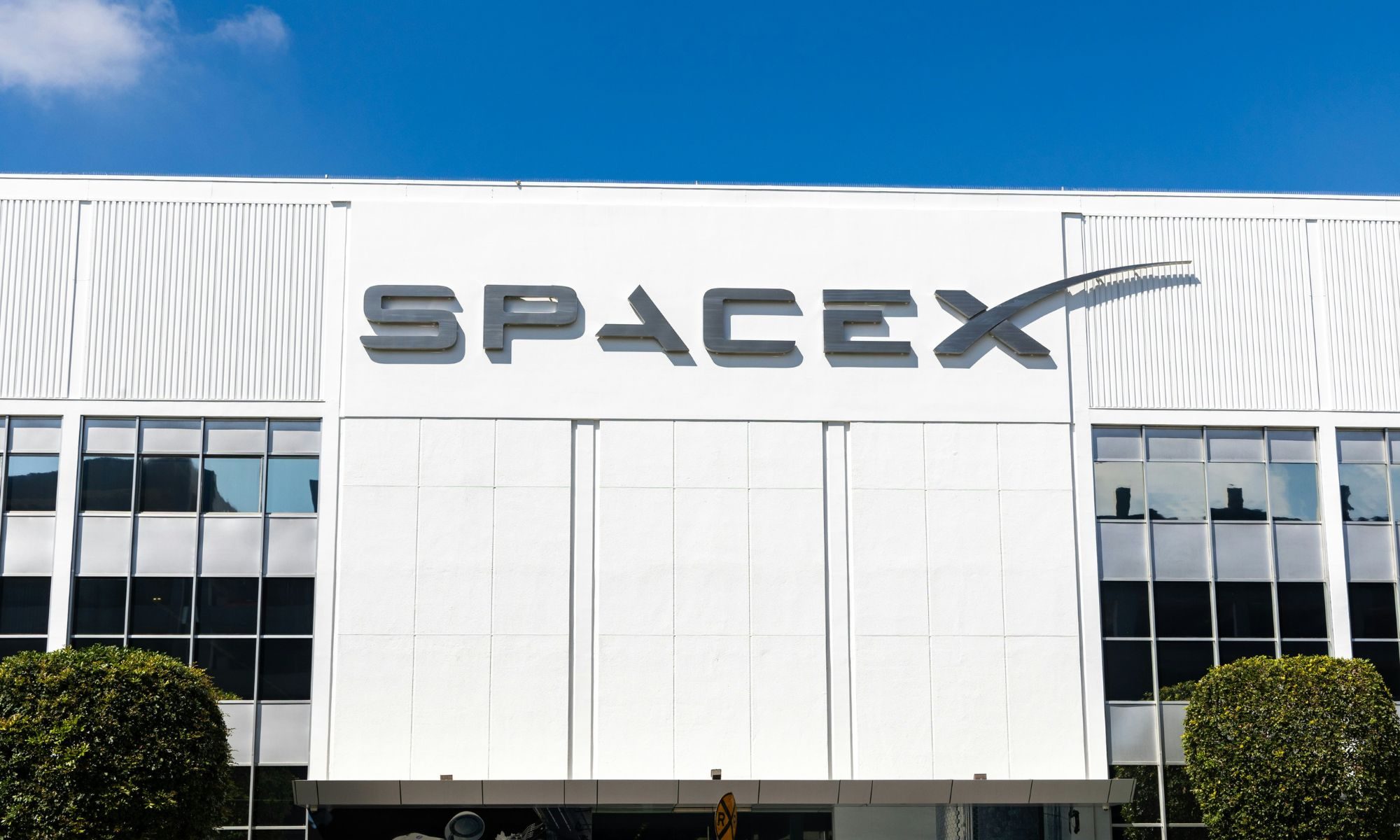
Elon Musk’s SpaceX is moving past satellite internet, and it’s making a big move into the US wireless market. The company has agreed to buy cellular spectrum licences from investment firm Grain Management in a deal reportedly worth about $8 billion, its biggest move yet to compete with established mobile carriers such as AT&T, Verizon and T-Mobile, according to a WSJ report.

The deal is for spectrum in the 800MHz band, which is for mobile services delivered via terrestrial infrastructure such as cell towers, not satellites. If the acquisition is approved, SpaceX could combine those airwaves with its growing Starlink satellite network to create a more comprehensive wireless service.

Read more
A clinical study with Google’s special chatbot shows a strong future for AI in healthcare
Google’s medical AI could give doctors a useful second set of eyes
Google Articulate Medical Intelligence Explorer chatbot

AI is a useful tool for handling many tasks in private as well as professional settings, but medical advice, especially diagnosis, is one area where I generally draw the line. General-purpose chatbots tend to sound confident and convincing while giving medical advice, even when they are wrong, as studies have previously found.

That being said, Google's new research points to a much more convincing use for AI in healthcare. Its Articulate Medical Intelligence Explorer chatbot, or AMIE for short, could help prepare both sides before the appointment even begins.

Read more