1. Home
  2. Computing
  3. News

Sapphire offers unusual advice to RX 9070 owners experiencing overheating

Add as a preferred source on Google
Sapphire Pulse RX 9070 XT graphics card on a purple background
Sapphire

Sapphire Technology has issued an advisory for owners of its latest Radeon RX 9070 and RX 9070 XT graphics cards. The company warns that protective foam inserts, intended to safeguard components during shipping, may still be present between the shroud and heatsink fins of these GPUs. If not removed before installation, this foam can impede cooling performance and potentially lead to hardware failure.

The foam inserts are not immediately visible, as they are tucked beneath the shroud and blend in with the surrounding components due to their gray color. This subtle placement increases the likelihood of users overlooking them during setup. Sapphire emphasizes the importance of removing these protective materials to ensure optimal cooling and prevent possible damage. As per the company, models including the Pure Radeon RX 9070 XT Gaming OC, Pulse Radeon RX 9070 XT Gaming, and Pure Radeon RX 9070 Gaming OC are affected.

Recommended Videos

お騒がせした RX 9070 、RX 9070 XTの緩衝材に関するお知らせとなります。

SAPPHIRE社製AMD RADEON RX 9070 XT/9070搭載グラフィックボードの緩衝材についてhttps://t.co/INrrRJjQZL

— Sapphire Technology Japan (@SapphireTech_JP) March 12, 2025

To address this issue, Sapphire Japan has disseminated information through its official channels, including a post on X (formerly Twitter), directing users to a support page by Ask Corporation, a hardware distributor. The advisory states: “Using the product without removing the cushioning material may result in a decrease in cooling capacity or product failure, so please be sure to remove the cushioning material before installing it in your PC.”

A protective foam piece inside a Sapphire RX 9070 GPU
Ask Corporation

Ask Corporation advises users to remove the protective foam from the heatsink by pushing it out or pulling it from the designated area, avoiding tools like cutters or screwdrivers to prevent damage. If the foam is difficult to remove, peeling off the top sticker and loosening a specific screw can create enough space to extract it safely. Sapphire Japan has confirmed that removing the sticker will not void the warranty.

While the protective foam serves to prevent damage during transits, failing to remove it can obstruct airflow, leading to increased temperatures and reduced efficiency. Users experiencing higher-than-expected temperatures with their Sapphire RX 9070 series cards are advised to check for and remove any remaining foam inserts to restore proper cooling functionality.

Kunal Khullar
Kunal Khullar is a computing writer at Digital Trends who contributes to various topics, including CPUs, GPUs, monitors, and…
The Adobe clones are real, but so is the work left to finish them
Seven free alternatives are out now, but their own documentation shows how much work remains
Nature, Outdoors, Sea

Free versions of Photoshop, Premiere Pro, and Lightroom are an easy sell to anyone tired of paying Adobe. Add a developer who says he vibe-coded replacements for seven of the company’s apps, and the triumphant headline practically writes itself. Adobe can presumably start clearing its desk.

Brandon Thomas’s Crafting Apps give that excitement something to work with. People can download the tools, inspect the source code, and find their way around familiar interfaces.

Read more
Getting health advice from AI chatbots comes with a problem doctors may never see
Researchers say AI companies should face the same liability as doctors for bad health advice
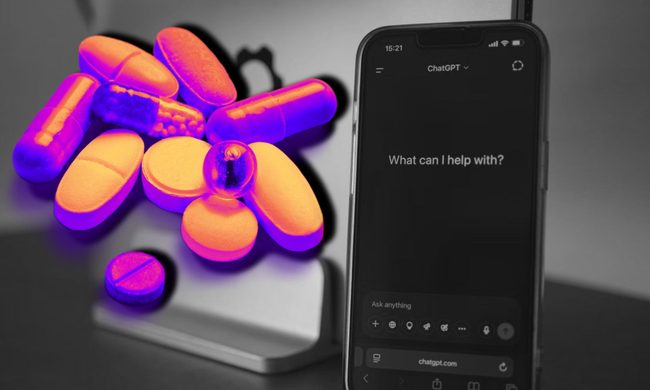
ChatGPT and pills on the same canvas.

AI chatbots have quietly become a go-to source for medical advice the extent that some are dangerously skipping real doctors. But when AI's health advice goes wrong, doctors may never see the exchange behind it.

Researchers from Binghamton University, Stanford, Texas A&M, and Indiana University published a paper in Nature Health examining what happens after a chatbot gives you bad health information. Their biggest concern is not just that chatbots can be wrong. It is that those mistakes often leave no trace for doctors, researchers, or regulators to catch.

Read more
AI companies expect a catastrophic AI incident and are reportedly preparing for the aftermath
A major AI cyberattack could disrupt essential services, damage public trust, and spark a political fight over regulations.
openai-anthropic-logo-on-screen

Leaders at OpenAI, Anthropic, and other AI companies are reportedly preparing for a potential AI disaster that could turn the public against artificial intelligence. According to an Axios report, industry leaders are privately running through possible scenarios for what happens after a catastrophic AI incident.

What kind of AI disaster are companies preparing for?

Read more