1. Home
  2. Computing
  3. Legacy Archives

Windows 8 for ARM won’t run existing Windows software

Add as a preferred source on Google
arm
Image used with permission by copyright holder

Speaking at a presentation in Santa Clara, California, Renee James, the head of Intel’s software business said Microsoft is gearing up to offer multiple versions of Windows 8, including four that target ARM processors. However, while versions of Windows 8 for Intel’s x86 architecture will be backward-compatible with most existing Windows software, the ARM versions won’t offer backward compatibility. Windows 8 for ARM will only run applications specifically developed for Windows 8 on ARM, leaving the universe of existing Windows software in the dust.

James’ comments were reported in Bloomberg and The Register.

Recommended Videos

James’ comments confirm earlier industry reports that Microsoft has been building multiple versions of Windows 8 for the ARM platform, in a retail strategy that would appear to mirror the company’s long-standing versioning for Windows: several versions at different price points to target everyone from first-time users to high-end professionals and media fiends.

However, it’s not clear how Microsoft’s multiple-version strategy will play in the mobile device market, which will be the primary target for ARM versions of Windows 8. Microsoft is already concerned about computer sales (and sales of Windows) being eroded by tablet computers like Apple’s iPad and a myriad of devices running Google’s Android operating system.

The ARM-based version of Windows will be aimed staunchly at tablets and other mobile devices in order to give Microsoft and its OEM partners a serious operating system in that market. It’s understandable from a technical standpoint why an ARM version of Windows wouldn’t offer compatibility with x86 applications (the engineering effort and performance hit of emulation would be substantial), and it’s easy to understand why Microsoft may wish to offer different feature sets for devices aimed at consumers and enterprise customers. However, fragmenting potential market for Windows 8 mobile devices into categories like “Home,” “Home Premium,” “Professional,” and “Ultimate” could also backfire, creating consumer confusion. If there’s anything fragmentation in the Android market has proven, it’s that consumers prefer a device that “just works.”

Geoff Duncan
Former Contributor
Geoff Duncan writes, programs, edits, plays music, and delights in making software misbehave. He's probably the only member…
The refurbished MacBook Neo may be your best way around Apple’s price hike
MacBook Neo has hit Apple’s refurbished store after its price increase
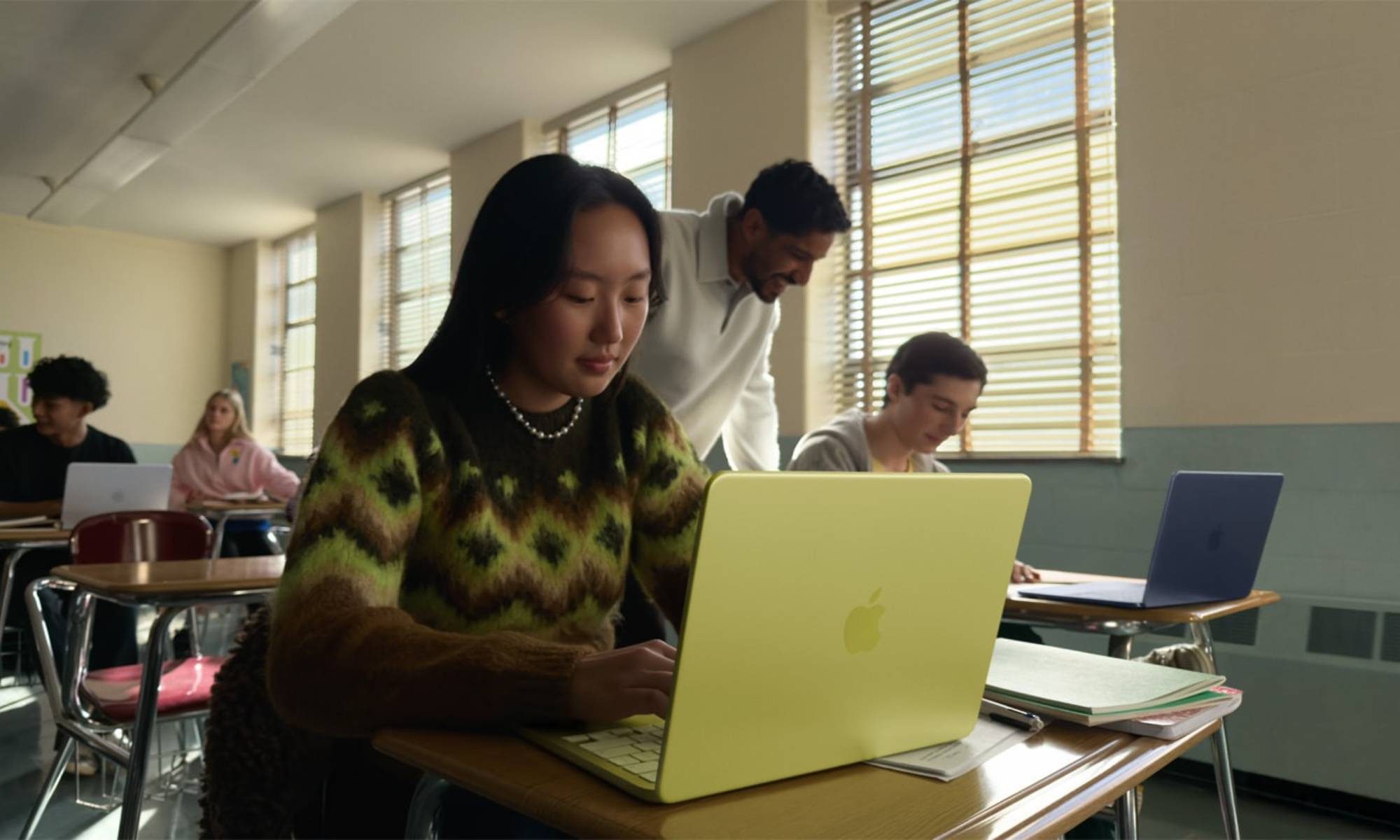
Student using MacBook Neo in classroom.

The MacBook Neo launched in March as Apple’s most affordable notebook, but it has already been caught in the company’s recent price hike. The base model with 8GB of RAM and 256GB of storage now costs $699, while the 512GB version with Touch ID is priced at $799.

Just days later, Apple has already listed refurbished MacBook Neo models on its online store, giving buyers a cheaper official option, though the savings are not as generous as you might expect.

Read more
This cross-device clipboard app solves the copy-paste problem I keep running into on my Mac
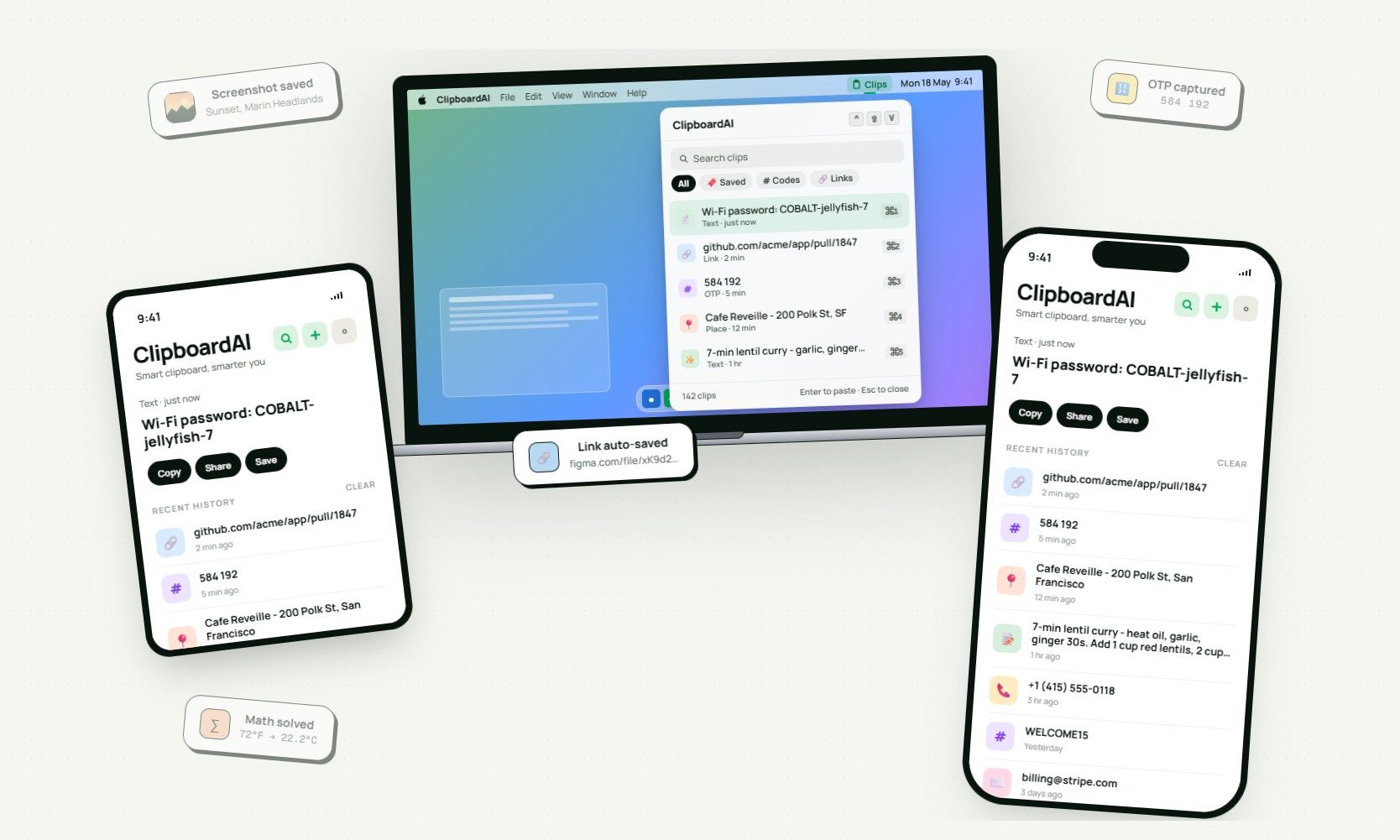
ClipboardAI keeps a searchable history of everything you copy
Text, Electronics, Mobile Phone

I have lost count of how many times I have copied something important, copied another thing before pasting it, and then realized the first item was gone. It is a small frustration, but it happens often enough to become annoying. I recently came across ClipboardAI, which caught my attention because it goes beyond Apple’s built-in clipboard by saving copied items into a searchable history.

Instead of replacing the last thing you copied every time, ClipboardAI keeps a searchable record of copied text, links, codes, email addresses, phone numbers, addresses, and images across iPhone, iPad, and Mac. That means an older clip does not disappear just because you copied something new.

Read more
If you miss the feel of paper in the digital age, this app gives your Mac’s screen a textured look
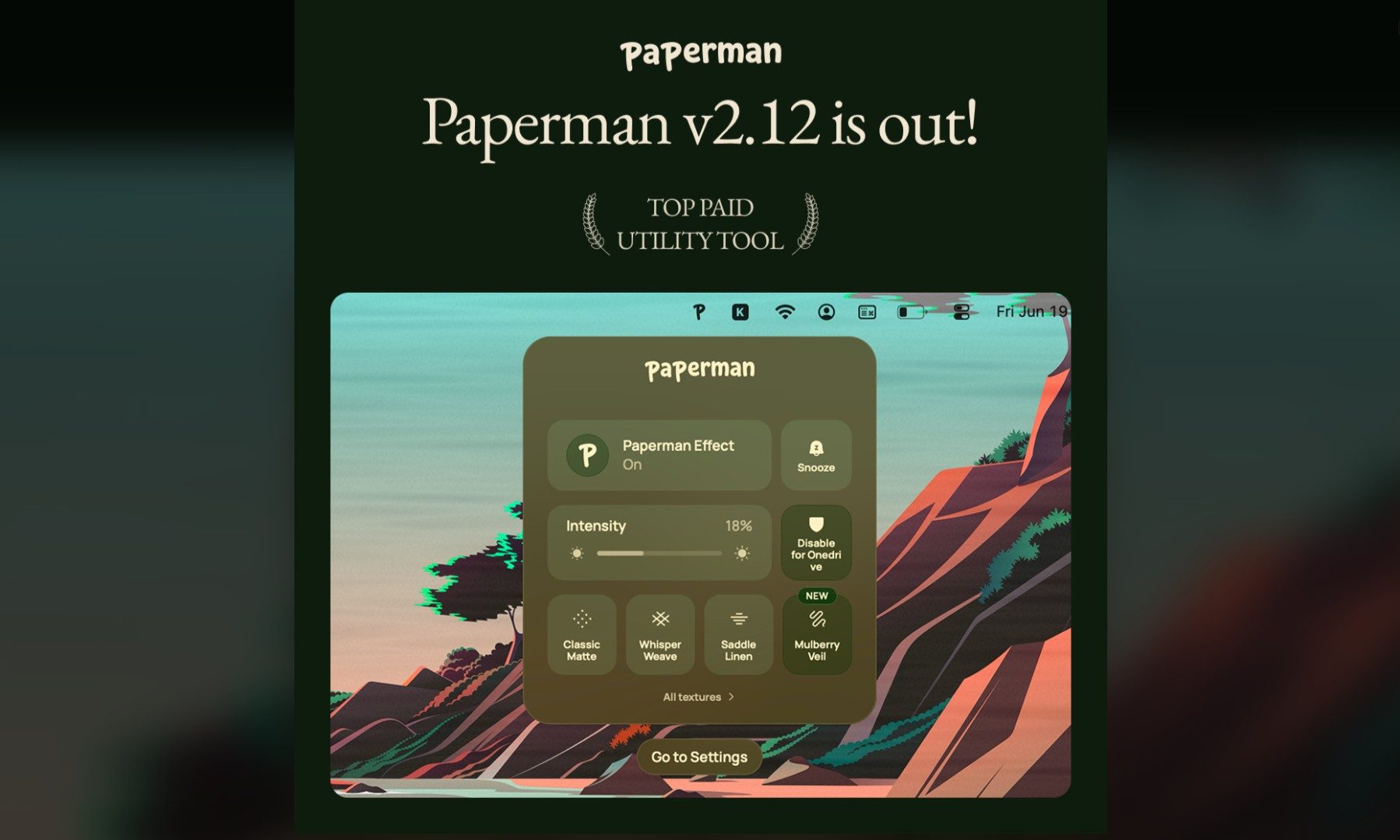
A paper-like screen overlay could make long work sessions feel less harsh.
Advertisement, Poster, Electronics

Most screen-comfort tools work by changing color temperature. Apple’s Night Shift makes the screen warmer, often giving everything an orange tint. Paperman is an interesting alternative because it adds a subtle paper-like texture over the display instead.

The app is available for Mac and Windows, and it is designed to make a screen look closer to paper, matte glass, or an e-ink display. It softens the harsh contrast and reduces the glossy look of modern screens during long reading or writing sessions.

Read more