At any given moment there are approximately a zillion different crowdfunding campaigns happening on the Web. Take a stroll through Kickstarter or IndieGoGo and you’ll find there’s no shortage of weird, ambitious, and downright stupid projects out there – far too many for any reasonable person to keep up with. But here at DT we are not reasonable people. We spend an inordinate amount of time poring through crowdfunding sites and product blogs in search of the next Oculus Rift or Pebble Watch, so we’re here to bring you a quick roundup of the best projects that are currently up and running.
Anova Precision Cooker — Smart Sous Vide Machine
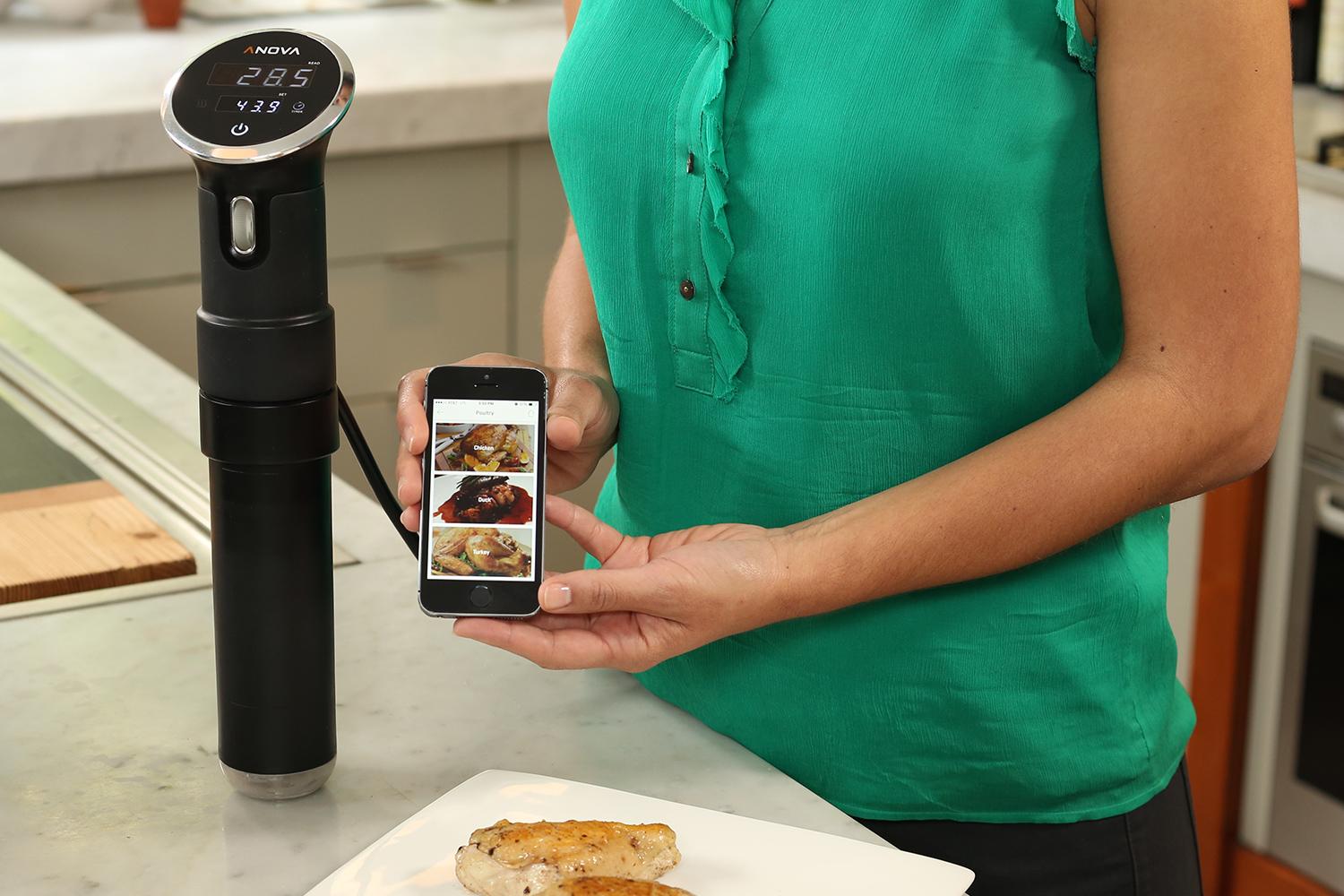 Anova’s original immersion circulator is already one of the best sous vide cookers in the game, but that didn’t stop them from pushing forward and giving it an update. The company’s Precision Cooker, which launched on Kickstarter earlier this week, is essentially a cheaper, smarter, and overall better version of its predecessor. First of all, Anova redesigned it from the ground up, so the new version comes apart for easy cleaning, and has a simpler interface/controls. Second of all, they also designed it with Bluetooth connectivity, so it can link up to your smartphone and drastically simplify the cooking process. With this contraption, you no longer need to memorize the proper temp/cook time values — simply tell the app what kind of food you’re cooking and it’ll automatically choose the optimal settings.
Nomad CNC Mill — Desktop Milling Machine
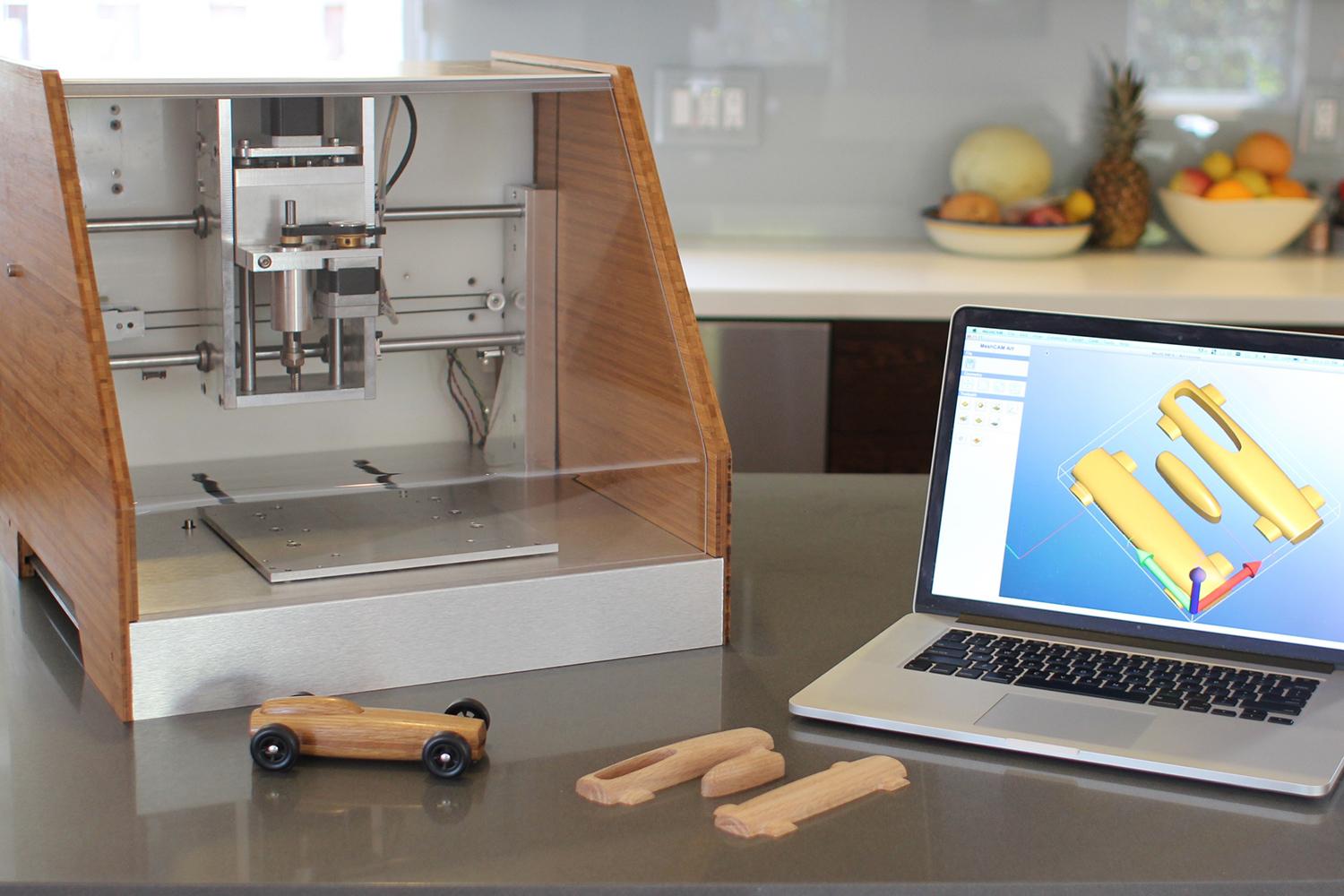 Additive manufacturing –aka 3D printing– gets all the attention these days, but despite the feverish pace at which the technology is advancing, traditional manufacturing processes still carry certain advantages — namely, the ability to work with materials other than plastic. They’re coming along, but 3D printers that print anything other than PLA or ABS are ridiculously expensive, so if you want to make something out of metal or wood, your best bet is to go with a traditional CNC mill. Nomad is basically a miniaturized version of the mills you’d find in a full-fledged machine shop, but with a much simpler interface. Thanks to uber-simplified software controls, Nomad combines the simplicity of 3D printing with the precision, speed, and versatility of a traditional CNC mill. It’s also roughly the same price as one of the new MakerBot Replicators.
Swarm — Social Group Tracking App
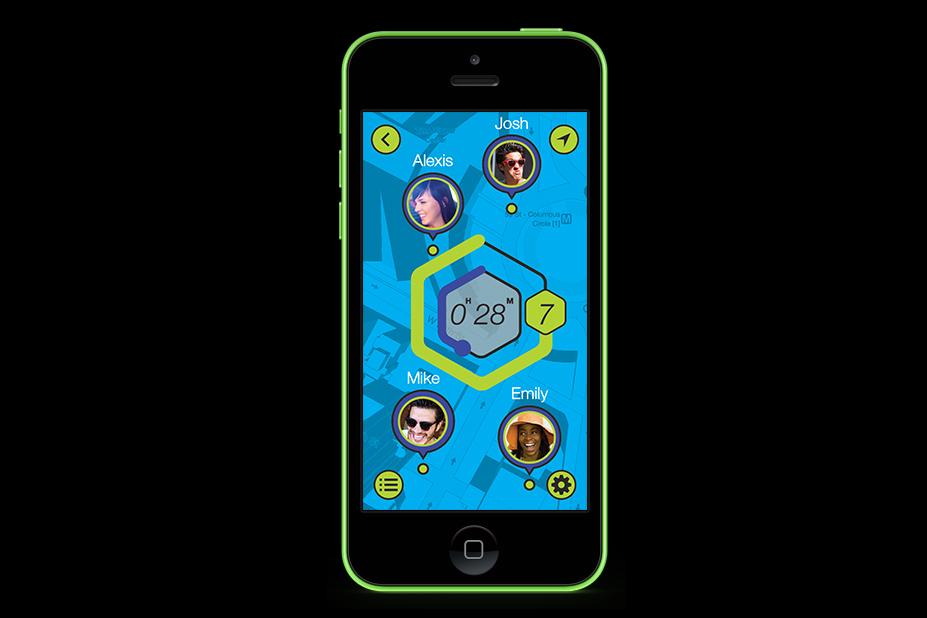 Things like cell phones and social networks have made organizing impromptu social gatherings easier than ever, but actually getting everyone together at the same physical location can still be difficult at times. If you’re trying to get a large group together, there’s an inordinate amount of texting, calling, and updating needed to ensure that everyone’s in the loop and knows whats happening. Swarm is a solution to this frenetic, disorganized process. instead of sending all of your friends a text with time/location info, you can just send them a swarm invite, and the app will do the rest. It’ll keep everyone in the group updated on where the swarm is, where it’s headed, who’s already there, and who’s on the way; so instead of spending all night trying to organize everything, you can put your phone down and enjoy yourself.
LuneCase — Electromagnetic iPhone Case
 This thing looks crazy. It’s a cellphone case that lights up to give you notifications, but amazingly, it does’t have any batteries inside of it. Instead, LuneCase harnesses the electromagnetic energy your phone puts off naturally, and uses it to power itself. Somehow, the case knows and identifies when you receive a message or a phone call before it is even displayed on the iPhone’s screen. The case displays these notifications on the back of your smartphone with the help of LEDs, using the free energy that is emitted by the device, converting it from the iPhone’s natural electromagnetic energy into a usable power for the embedded notification system. In all fairness, an extra visual notification is probably a tad unnecessary since your phone is already equipped with ringtones, vibrations, and push notifications, but the electromagnetic technology LuneCase is built upon is simply too cool to overlook.
LookFor — Visual Locator App
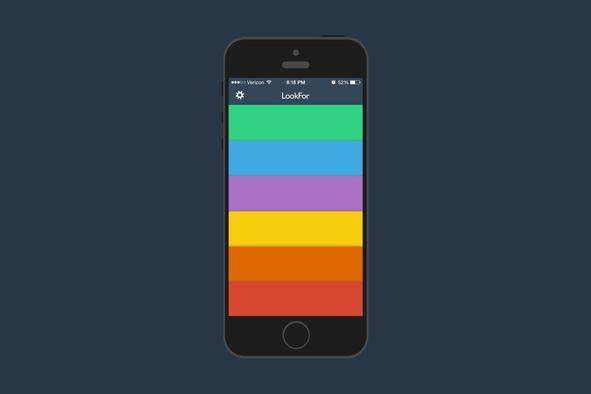 Finding people in crowded places is a pain. Getting to the venue is one thing, but actually locating your friends in a sea of similar-looking homo-sapiens is easier said than done. What we need is something that makes us easy to differentiate from the rest of the crowd, which is exactly what LookFor is. It might just be the simplest app in the entire world. Basically all it does is flash a single solid color on your phone’s screen, thereby making it simple to spot you (or your friends) in movie theaters, concert venues, bars, restaurants, and sporting events. Right now that’s the only function it has, but if the Kickstarter project is successful, LookFor’s creator plans to add in-app messaging, iBeacons, and push notifications.